%20-%20copy.png)


You’re looking outside at your trees and shrubs and thinking: something’s just not totally right.
They’re tired, feeling a little thin in all the wrong places even though you haven’t trimmed them, and just not giving the “healthy, full” vibes you were hoping for by now.
Is now the time to fertilize them? Is that the trick to giving them a little extra life and luster?
If you’re feeling shaky on when to fertilize your Central Texas trees and shrubs, we get it.
Living in or around Waco means there’s a little more to consider than simply looking at the calendar and going for it when the date looks right.
As you already know, our Central Texas landscapes deal with some pretty extreme conditions.
Our hot summers, long periods of drought, unpredictable weather, and finicky soil all contribute to funky timing. That means your trees and shrubs are all also expected to deal with that while you try to keep them looking their best.
That’s why fertilization can be an important part of Central Texas tree care and Central Texas shrub care.
Unfortunately, it’s not as simple as more fertilizer. In our world, more fertilizer doesn’t automatically mean healthier plants. On the flip side, sometimes applying the wrong product, applying too much of any product, or fertilizing when your plants aren’t ready can cause more problems than it solves.
At Green Ackors, we like to fertilize shrubs, trees, and landscape beds four times per year as part of our overall turf and landscape care – but all of that is carefully timed.
The goal is always to support plant health throughout the year, plan ahead, and give your landscape what it needs at the exact right time it can actually use it.
Want to learn more about what that looks like? This guide is a must-read.

Table of Contents: What You’ll Find Inside This Guide
- Why Fertilization Matters for Central Texas Trees & Shrubs
- How Waco Soil Affects Plant Nutrition
- When to Fertilize Trees and Shrubs in Central Texas
- Signs Your Trees & Shrubs May Benefit From Fertilization
- Why We Prefer Slow-Release Fertilizer
- How Drought and Irrigation Affect Fertilization
- Can You Fertilize Your Trees & Shrubs Yourself?
- FAQ: Tree & Shrub Fertilization in Central Texas
Why Fertilization Matters for Central Texas Trees & Shrubs
We often find that clients think about fertilization as a singular action, but we like to advise that you think about it as one piece of a much larger plant-health puzzle.
Your Texas trees and shrubs need more than water and sunlight to thrive. They also need access to the nutrients that support healthy growth, foliage, flowering, and root development. As you already know, that can be particularly important in Central Texas.
Waco-area soils can present challenges when it comes to nutrient availability. If your plants aren't getting what they need from the soil, you may eventually notice changes in their appearance and growth.
While fertilization can help with this, the first step should always be understanding what your plants actually need before throwing fertilizer at an unknown problem.
We don't usually recommend automatically fertilizing every time a plant looks a little off. Sometimes the issue is nutrition, irrigation, the plant's location, soil conditions, disease, insects, or something else entirely.
You don't want to spend money treating the wrong problem or make the issue worse by harming the health of your shrub or tree with the wrong solution.
How Our Unique Waco Soil Impacts Plant Nutrition
Around these parts, our soil isn't exactly known for making gardening (or growing anything, for that matter) particularly easy.
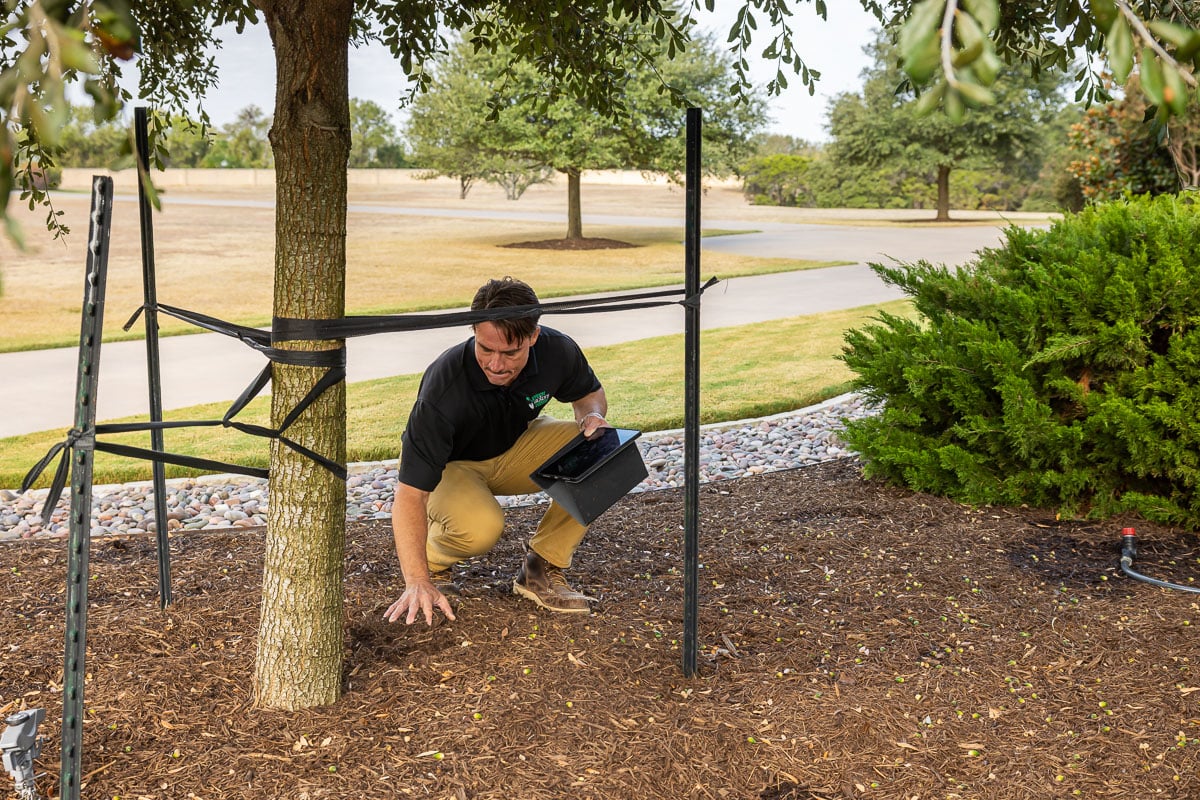
Depending on your property, soil can be alkaline and may not provide plants with every nutrient they need in readily available forms. That's one reason soil testing can be useful when you suspect your trees or shrubs have a nutrient deficiency.
Instead of guessing, a soil test can give you a better idea of what's actually happening below the surface so you can create a plan to handle it.
And that's an important step, because as we’ve mentioned a few times, fertilizer isn't a cure-all (ever).
If a tree is struggling because it's planted in the wrong location or isn't getting enough water, adding fertilizer isn't necessarily going to fix the problem – it could even exacerbate the issue!
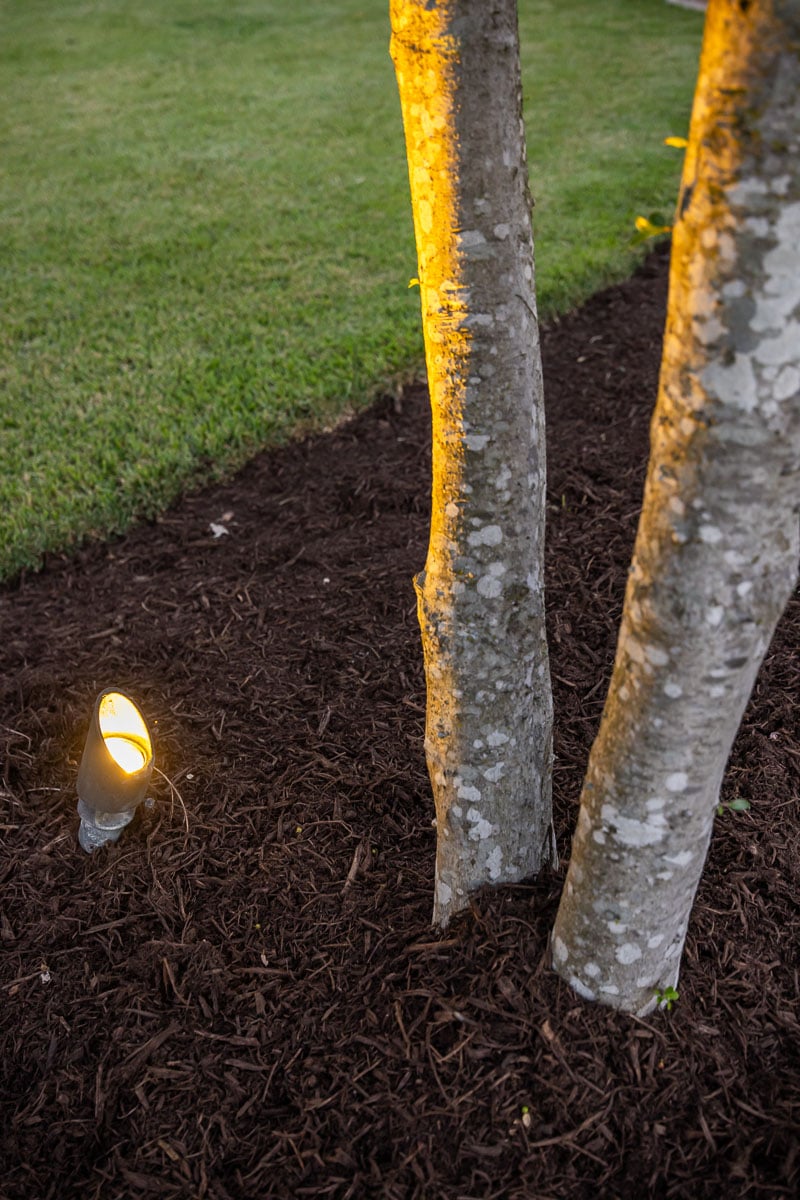
When to Fertilize Trees and Shrubs in Central Texas
We’ve talked through the basics of our tricky Texas soil and explained that fertilization is not the “cure-all” solution.
Now comes the real reason you’re here: when you should fertilize your trees and shrubs.
Ultimately, it will depend on the plant, its health, the soil, and what you're trying to accomplish.
We always urge our clients not to think about fertilization as one specific day on the calendar. Instead, think about your tree fertilization and shrub fertilization schedules in relation to the seasons and your plants' growth cycles.
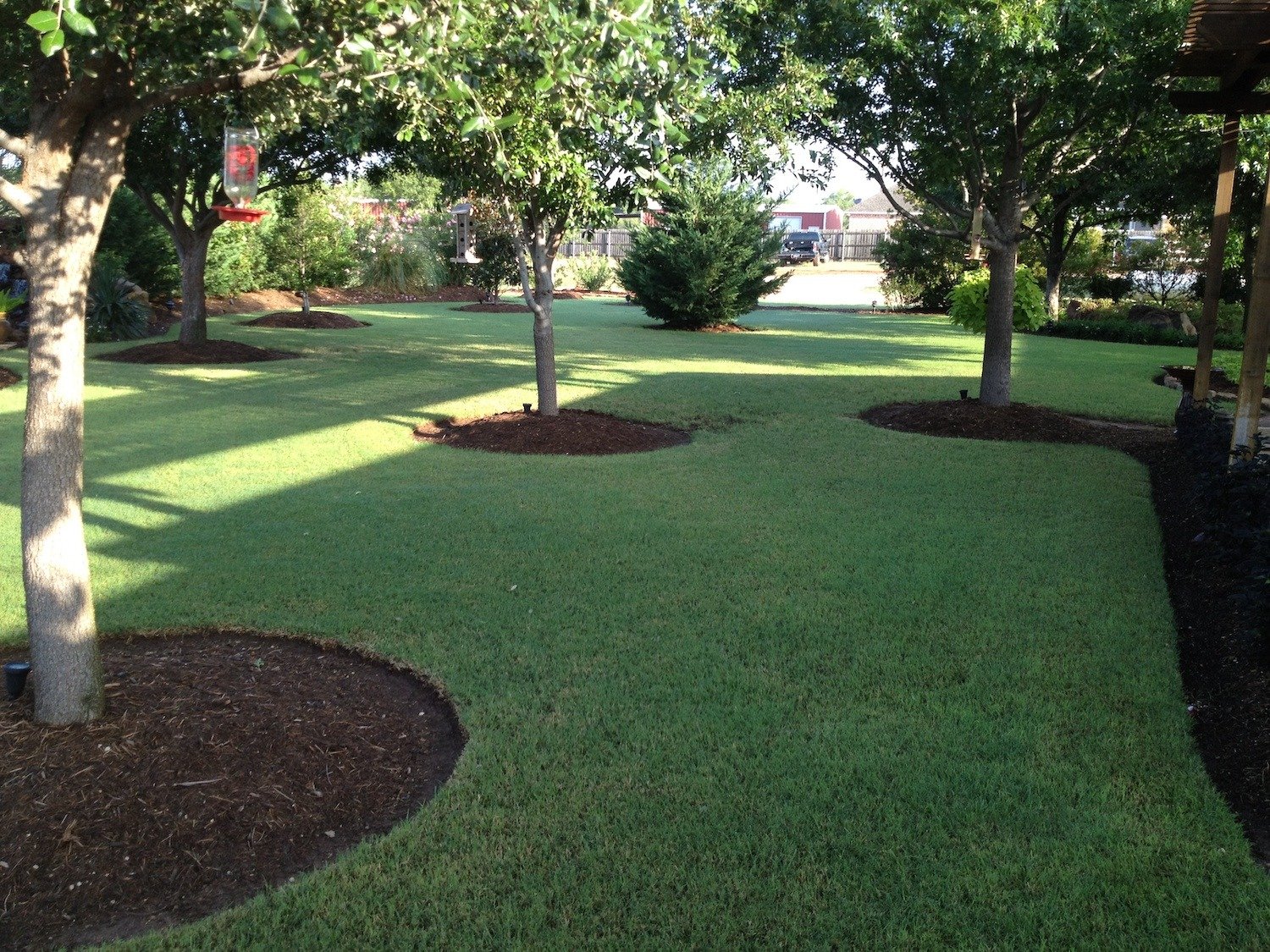
Spring Fertilization
Spring is when your landscape starts waking back up after winter. For many plants, this is a period of active growth, making it an important time to provide nutrients when appropriate.
Spring fertilizer tends to be higher in nitrogen because the goal is to help plants and turf green up and support active growth. For homeowners, spring is a good time to pay attention to how your landscape is coming out of winter.
Summer Fertilization
Summer in Waco is, as you already know, a completely different animal.
When temperatures climb and the weather gets dry, your plants are dealing with significant environmental stress. Fertilization during this period needs to be approached carefully rather than assuming that more nutrients will automatically help.
Water availability matters, too. Plants need adequate moisture to take up nutrients effectively, which is why irrigation and fertilization go hand in hand. If your landscape is already stressed from drought or inconsistent watering, it's worth figuring out what's happening with irrigation before simply adding more fertilizer.
Fall Fertilization
While spring applications are generally focused more on supporting active growth and helping plants green up, fall fertilizer focuses on root strength.
That's especially valuable as your landscape prepares to move through winter – even though our winter isn’t terribly extreme. Healthy roots give established trees and shrubs a stronger foundation going into the colder months and help set them up for the next growing season.
Winter Fertilization
Winter is usually more about maintenance, seasonal cleanup, and preparing for the next growing season than encouraging a bunch of new growth. That's why a strategic fertilization program considers the entire year rather than treating winter as another opportunity to throw down fertilizer.
More Things to Know About Tree & Shrub Fertilization
Signs Your Trees & Shrubs May Benefit From Fertilization
Not sure whether your plants actually need fertilizer? Thinking it could just be tree or shrub stress? You’re not alone – it can be tricky to see when they need it. Subtle shiftsandn changes can happen through signs like:
- Plants looking generally tired or thin
- Pale or off-color foliage
- Poor or limited new growth
- Reduced flowering
- Thinning canopies
- Plants that don't appear as vigorous as they normally do
These signs don't always mean fertilizer is the answer, but they do give you reason to take a closer look and evaluate your trees and shrubs. Then, you can make a determination.
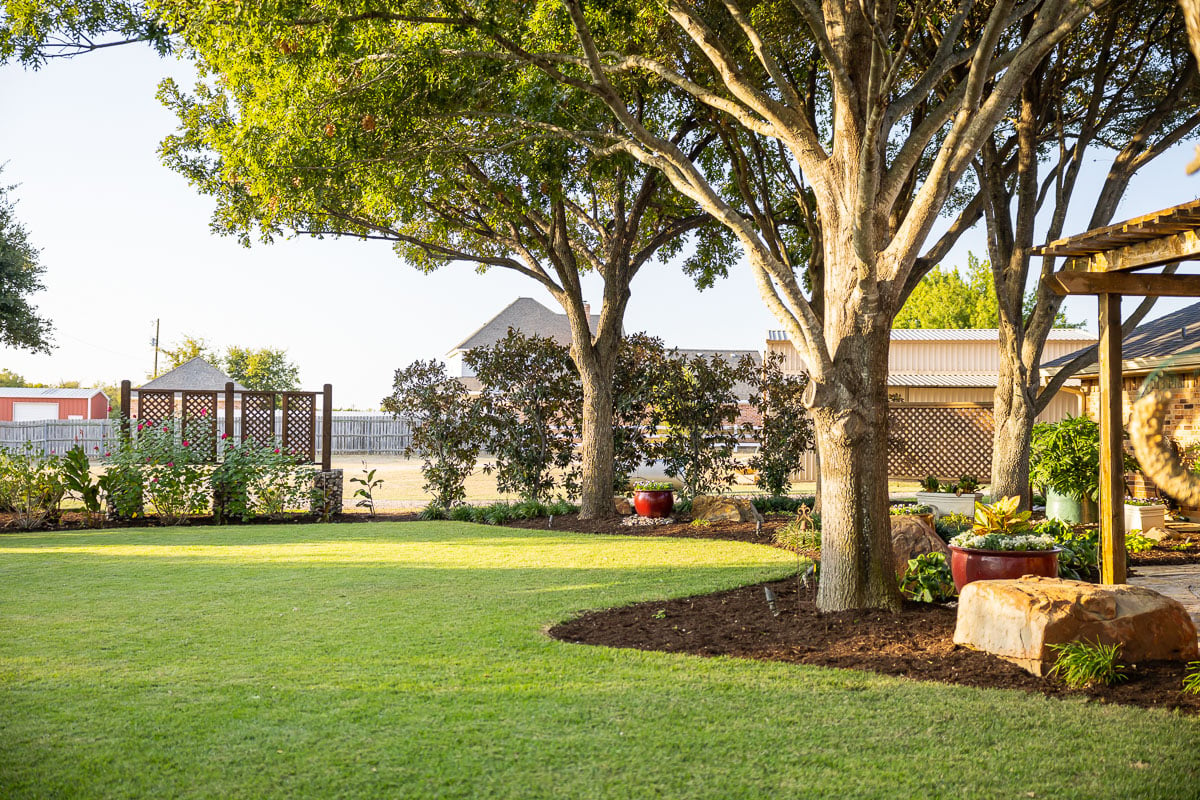
We Prefer Slow-Release Fertilizer: Here’s Why
When fertilization is appropriate, we generally prefer slow-release fertilizers because they last longer and are less likely to burn plants or grass compared with quick-release products.
That's particularly useful when you're thinking about long-term landscape health. You don't necessarily want a huge burst of nutrients all at once. You want nutrients to become available over time in a way your plants can use.
Something we always like to remind our clients is that more fertilizer isn't better fertilizer.
Over-fertilizing can actually damage plants and potentially interfere with healthy root development.
How Drought & Irrigation Affect Fertilization
We feel like we’re singing the same old song here, but Waco summers are hot.
During periods of drought, irrigation becomes incredibly important – both for keeping your landscape looking good and for helping plants actually utilize available nutrients.
That's why fertilizer and irrigation shouldn't be treated as completely separate parts of landscape care. If your plants aren't receiving enough water, they may struggle to take up nutrients effectively. On the other hand, overwatering can create its own set of problems.
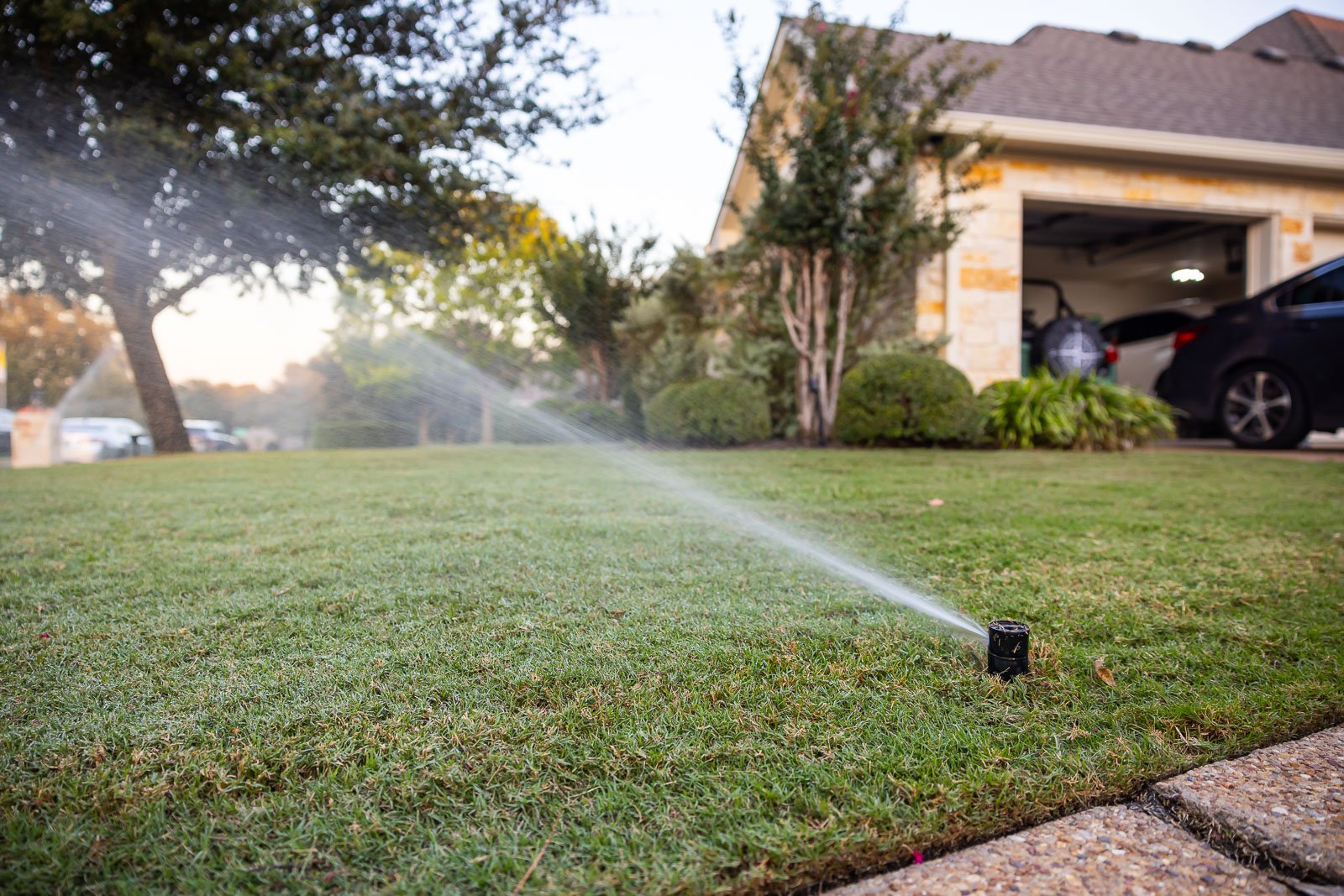
Can You DIY Fertilize Your Trees & Shrubs?
Technically? Sure. Anything is possible. Homeowners are totally capable of purchasing fertilizer at a big-box store and applying it themselves.
The bigger question is whether you know what your landscape actually needs.
If you're confident about the product, application, and timing, DIY fertilization can be manageable and doable – and with resources like this blog, you could be in good shape to take matters into your own hands.
But if your plants aren't looking right and you're trying to figure out why, that's where professional guidance can save you a lot of time, money, and frustration.
Tree & Shrub Fertilization Frequently Asked Questions
When should I fertilize trees and shrubs in Central Texas?
Spring and fall are important parts of a seasonal fertilization program, but the appropriate timing depends on the plant, its condition, soil, and growth cycle. It’s important to consider the entire year, growth goals, current obstacles, soil conditions, and more instead of just picking the right date on the calendar.
Is fall or spring fertilizer better?
Neither is necessarily "better” because they serve different purposes. Spring fertilizer tends to be higher in nitrogen to support green-up and active growth, while fall fertilizer focuses more on root strength going into winter.
Can I use the same fertilizer on my lawn, trees, and shrubs?
While that’s technically possible, it’s also not usually the case. Different plants can have different nutritional requirements, and applying the wrong product or too much fertilizer can cause problems.
Should I test my soil before fertilizing?
We are big fans of soil tests. If you suspect a nutrient deficiency, soil testing can be a smart first step. It can help identify what's actually happening in the soil rather than relying on educated guesses.
Can too much fertilizer hurt my plants?
Without a doubt. Over-fertilizing can damage plants and negatively affect root development. We always tell our clients that more isn't always better when it comes to nutrients.
Keep Your Waco Trees & Shrubs Looking Their Best
Your trees and shrubs are a long-term investment in your property – keeping them healthy isn't about finding one all-purpose fertilizer and applying it a few times a year.
At Green Ackors, we take that bigger-picture approach to all of our clients’ trees and shrubs.
We fertilize shrubs, trees, and landscape beds four times per year as part of our broader landscape care, with seasonal applications designed around what your plants need at different points throughout the year.
Are you looking for plant health care services in Central TX? Our team can help you develop a thoughtful approach to keeping your trees, shrubs, and landscape beds healthy for the long haul. Reach out to chat with our experts and schedule a consultation for your Texas landscape.