%20-%20copy.png)


Your trees and shrubs do more than just fill a space in your front yard. They shape your home's look, boost your curb appeal, increase your property value, and create a space where your family can relax and enjoy the outdoors. But keeping them healthy in Central Texas is no small task. Between our hot, dry summers, unpredictable weather, and varying soil types, it is easy to feel overwhelmed with how to best care for your trees and shrubs.
You may have tried to tackle tree and shrub care on your own, only to get frustrated with failed trial-and-error, or worse, even damage from improper pruning, fertilization, or pest management. It’s time to take the guesswork out of tree and shrub care. Let’s explore how to identify stress, prevent disease, optimize growth, and know when it is time to call in the pros so that your landscape can thrive without the worry.
Table of Contents:
- Tree and Shrub Care in Central Texas: Understanding the Basics
- How to Make Your Plants Shine with Basic Plant Health Care Strategies
- Tree and Shrub Trimming
- Tree and Shrub Fertilization
- Tree and Shrub Disease
- Preventing Drought Stress
- When to Call the Pros
- Partnering with Green Ackors
Tree and Shrub Care in Central Texas: Understanding the Basics
Caring for trees and shrubs in Central Texas starts with understanding the land they grow in. The health of your landscape, especially your plantings, depends heavily on the ground beneath your feet and the weather patterns above it.
Central Texas soils are incredibly diverse. Some areas sit on heavy black clay that holds onto moisture for far too long, while others are dominated by dry, rocky ground that drains too quickly. You can also find pockets of sandy soil, which means water flows through the ground fast enough that plants struggle to stay hydrated. All of this means that your trees and shrubs can face very different challenges depending on where your property falls on the map.
Our climate, one of the biggest stressors your landscape faces, is also necessary to consider. Long stretches of intense heat can push even established plants to their limit. Dry spells come often and sometimes without warning, making it tough for shallow-rooted plantings to keep up. And when our storms do roll in, they can leave behind wind damage, broken limbs, and waterlogged soil.
Together, Central Texas soils and weather patterns create an environment that requires a thoughtful approach to plant care. When you know what your trees and shrubs are up against, it is much easier to give them the support they need to stay healthy and strong.
Best Tree and Shrubs for Texas: Choices that Last
Once you fully understand the soil and climate changes in Central Texas, it becomes clear why choosing the right plants matters just as much, if not more, than how you care for them. You can water perfectly, prune on schedule, and give a plant all the attention in the world, but if it simply is not suited for our environment, you will always be fighting an uphill battle. The right trees and shrubs naturally work with our climate instead of against it. This makes them healthier, longer-lasting, and much easier to care for.
A good starting point is knowing the difference between native and ornamental species. Native plants are those that naturally occur in our region. They can handle our heat, drought cycles, and unpredictable storms with far less stress. Ornamental species can still thrive here, but only if their needs line up with local conditions. When you select plants based on looks alone, problems typically tend to follow.

Here are some of our favorite trees and shrubs for Central Texas:
- Live Oak, Red Oak, and Burr Oak: All these oak species grow well in a variety of Central Texas soils. They prefer full sun and are extremely drought-tolerant, established. They also develop deep root systems, making them more resilient during hot, dry periods.
- Pecan Trees: The Texas state tree thrives in Central Texas and appreciates regular moisture. They are great shade trees, but they do need room to grow.
- Mexican Sycamore: These trees have fast growth and striking white bark. They handle heat well, but sometimes like supplemental watering during long dry spells.
- Magnolias: These trees do great when planted in soils with good drainage. They enjoy full sun to partial shade, depending on the variety.
- Texas Sage: This true native plant loves full sun, thrives in poor soils, and loves dry weather. Its purple blooms are a bonus.
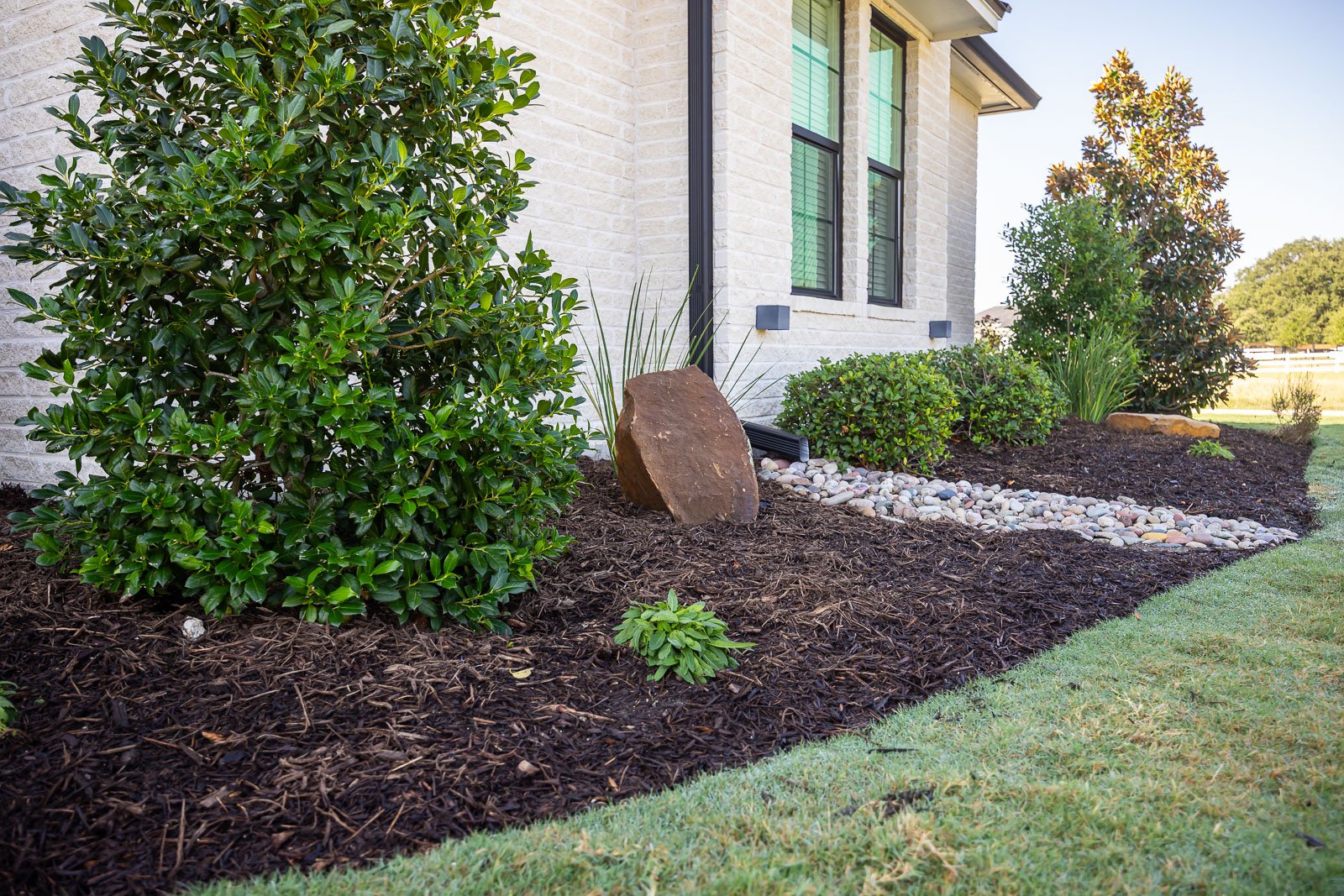
- Burford and Yaupon Holly: Both these holly varieties are hardy, low-maintenance choices that adapt well to clay or sandy soils. They both tolerate heat, require minimal water, and maintain a tidy, evergreen appearance.
Tips for Shrub Pruning in Central Texas: How to Make Your Shrubs and Trees Shine with Basic Plant Health Care Strategies
It can be easy to forget about your trees and shrubs once they are established. They are already tall, full, and seem to take care of themselves. However, these plants are some of the biggest investments on your property, and just like you wouldn’t skip regular lawn care, giving your trees and shrubs consistent attention is essential for keeping them healthy. Even well-established plants need help navigating Central Texas heat, drought, and storms.
By combining careful pruning with proactive maintenance, you can help to prevent problems before they start, support strong growth, and make sure your landscape shines year-round. Here are some essential tree care tips for Waco homeowners to keep your trees and shrubs looking their best and standing strong for years to come.
Tree Trimming in Central Texas
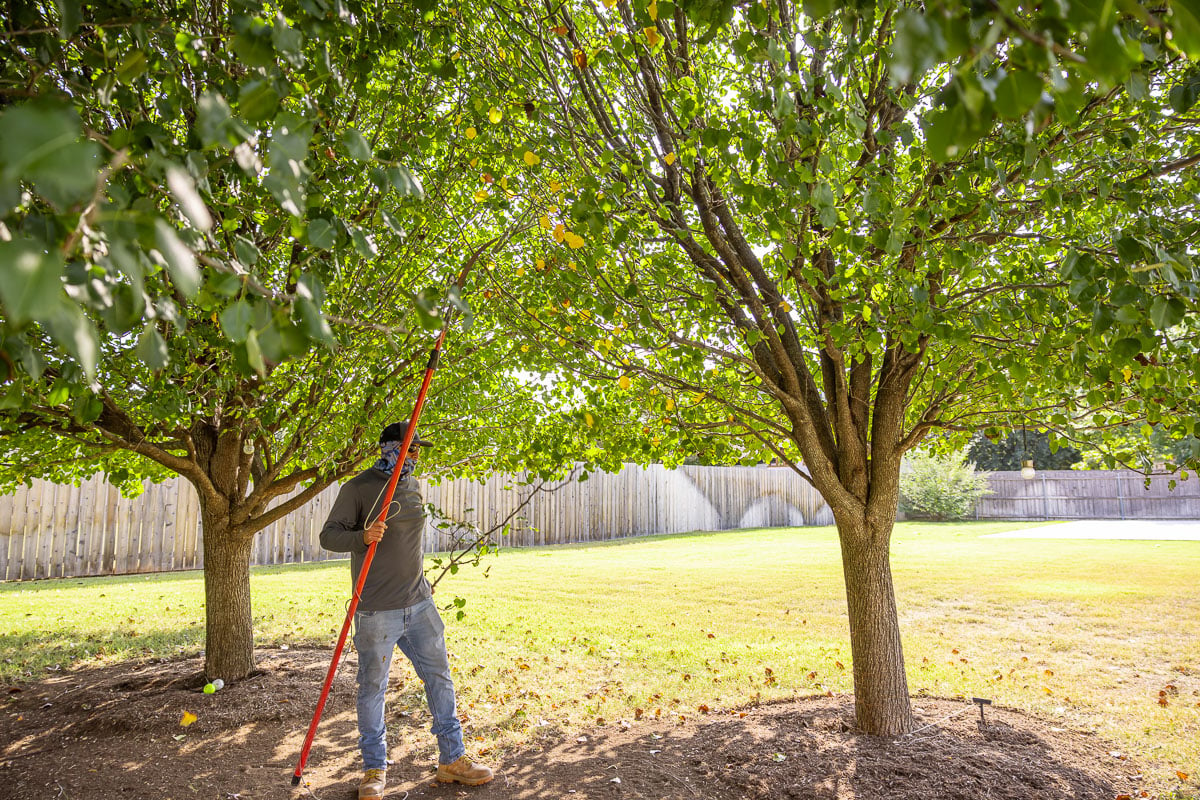
Pruning your trees and shrubs is not just a cosmetic chore. It is actually one of the most important long-term investments you can make in your landscape. Done strategically, it improves the appearance of your trees and shrubs and strengthens the internal structure and health of your plants.
Shaping vs. Pruning for Health
Pruning has two purposes: shaping for aesthetics and pruning for overall plant health. Shaping focuses on appearance, refining the structure to look prettier, and encouraging fuller growth. You typically focus on this when aiming for shrub pruning for front yard curb appeal, because neat, well-defined shapes make your entire property look more polished and put together. When shaping is done correctly and at the right time of year, it can increase flowering density and highlight the natural beauty of your plant.
Pruning for health targets the internal strength and longevity of your tree or shrub. Removing dead, crossing, or weak branches improves airflow, reduces disease risk, and prevents branch failure. For trees, regular pruning also plays a key role in storm preparation. By clearing out weak or poorly attached limbs ahead of storm season, you reduce the chance of damage to your home, vehicles, or anything under the canopy.
Why Trim Trees?
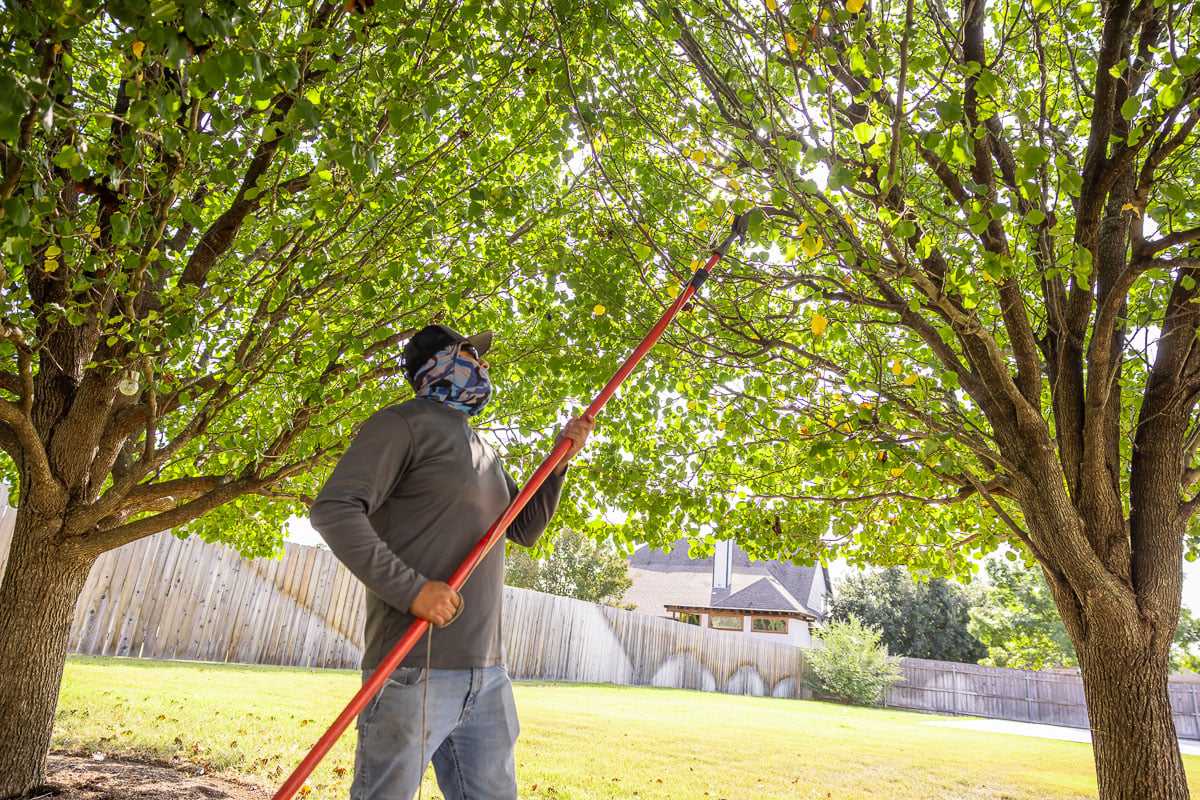
Other than making your trees and shrubs look more beautiful, trimming and pruning have practical benefits for your property and plants themselves.
- Safety: Weak or overgrown branches can create safety hazards. Keeping branches away from walkways, driveways, and structures helps to prevent long-term problems and safety issues.
- Health: Removing limbs or regularly pruning your shrubs promotes stronger growth
- Storm Resilience: Properly pruned trees and shrubs are less likely to suffer major damage in storms
When to Trim Shrubs in Waco, TX: Your Month-by-Month Guide
Timing plays a huge role in how effective pruning actually is. Many flowering shrubs perform best when pruned right after they bloom, giving them time to set new buds for the next year. Others respond well to light shaping in the winter months before spring growth kicks in. Trees also have ideal pruning windows, usually during the dormant months, when cuts heal more cleaning, and the risk of stress or pest issues is lower. So, let’s dive into when to trim shrubs in Waco, TX.
Pruning trees and shrubs is not something you do once and forget about. It follows the rhythm of the seasons. In Central Texas, timing matters just as much as how you prune your plant. Here is a practice guide of when to prune your plants and why it matters.
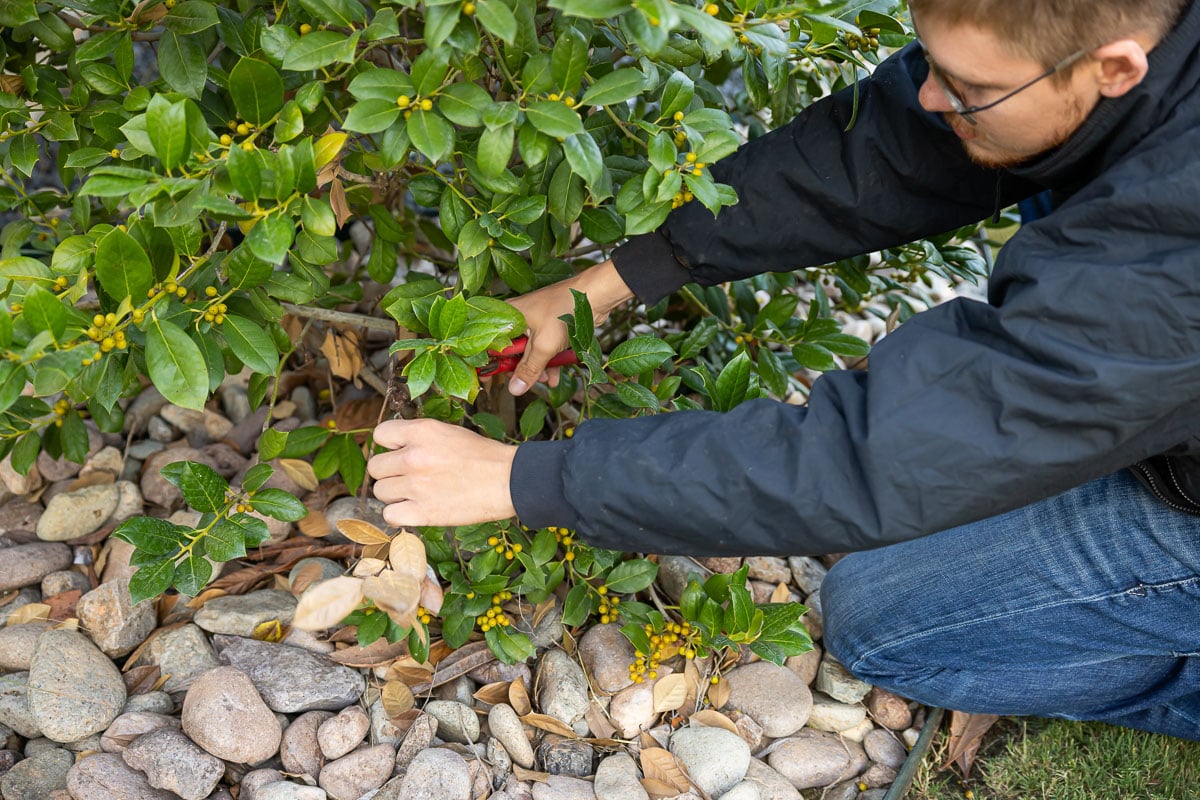
Winter (November-March): Prime Time for Tree Pruning
This is the only window when major tree work should take place. During these cooler months, trees are dormant, which means they can handle cuts more easily and are much less susceptible to pests or disease. Oaks especially must be pruned only during this timeframe to avoid problems like oak wilt, which spreads much more aggressively during warm season months.
If a branch obstructs a walkway or poses a safety hazard, it can be addressed outside of this timeline, but routine or aesthetic tree trimming should always wait until dormancy. By early February, major pruning should be wrapped up so your trees can direct their spring energy toward fresh, healthy growth.
Throughout the winter, focus on these tree pruning tasks:
- Removing weak, damaged, or rubbing branches
- Thinning dense canopies for better airflow
- Addressing structural issues before spring growth
- Preparing for storm season with preventive trimming
Early Spring (March-April): Light Touches and Post-Bloom Adjustments
As plants begin waking up, avoid any heavy cuts. Fresh wounds during warm, active growing periods are more vulnerable to pests and disease. Shrubs however, may need some early-season shaping. Remember, your goal is a gentle cleanup, not major restructuring. Try focusing on these tasks:
- Spring-blooming shrubs can be lightly pruned after they flower to encourage next year’s bloom
- Fast-growing varieties may need a touch-up to maintain their shape
- Evergreen shrubs can be trimmed as needed
Late Spring to Summer (May-September): Avoid Pruning Trees
This warm period is the worst time to trim most trees. Central Texas heat stresses trees enough on its own, and pruning only makes the strain worse. Warm-season pests are active too, making fresh cuts an open invitation to insects and disease.
Shrubs, however, are a different story. Because there are so many species, each growing at its own pace, many of them need routine attention during the growing season. For some, trimming might be needed every few weeks to maintain their shape and prevent overgrowth.
Fall (October): Gentle Shaping Only
Fall is another transitional period, just like spring. Trees are preparing for dormancy, so avoid major pruning until temperatures cool more consistently. Use this time to remove minor dead wood, lightly shape shrubs before holiday displays, and cut back overgrown shrubs that struggled with summer heat.
A Note on Shrub Pruning Schedules
Unlike trees, shrubs don’t operate on a once-a-year schedule. Their growth patterns vary widely, and many varieties need consistent trimming for both healthy and aesthetic purposes. Instead of following a rigid calendar for shrubs, think of them as needing attention based on their growth speed, location, desired shape, and blooming cycles.
For example, evergreens may only need periodic shaping. Fast-growing hollies might require trimming multiple times a year. Flowering shrubs often perform best when pruned right after their bloom period ends. Overall, regular small cleanups keep everything looking great without stressing out your shrub.
Tree Fertilization in Texas
Regular fertilization is an effective way to support healthy trees and shrubs. A consistent nutrient plan can make a huge difference in how well trees and shrubs handle heat and drought. Following the best tree fertilization for Texas homeowners ensures your trees and shrubs have the resources they need year-round.
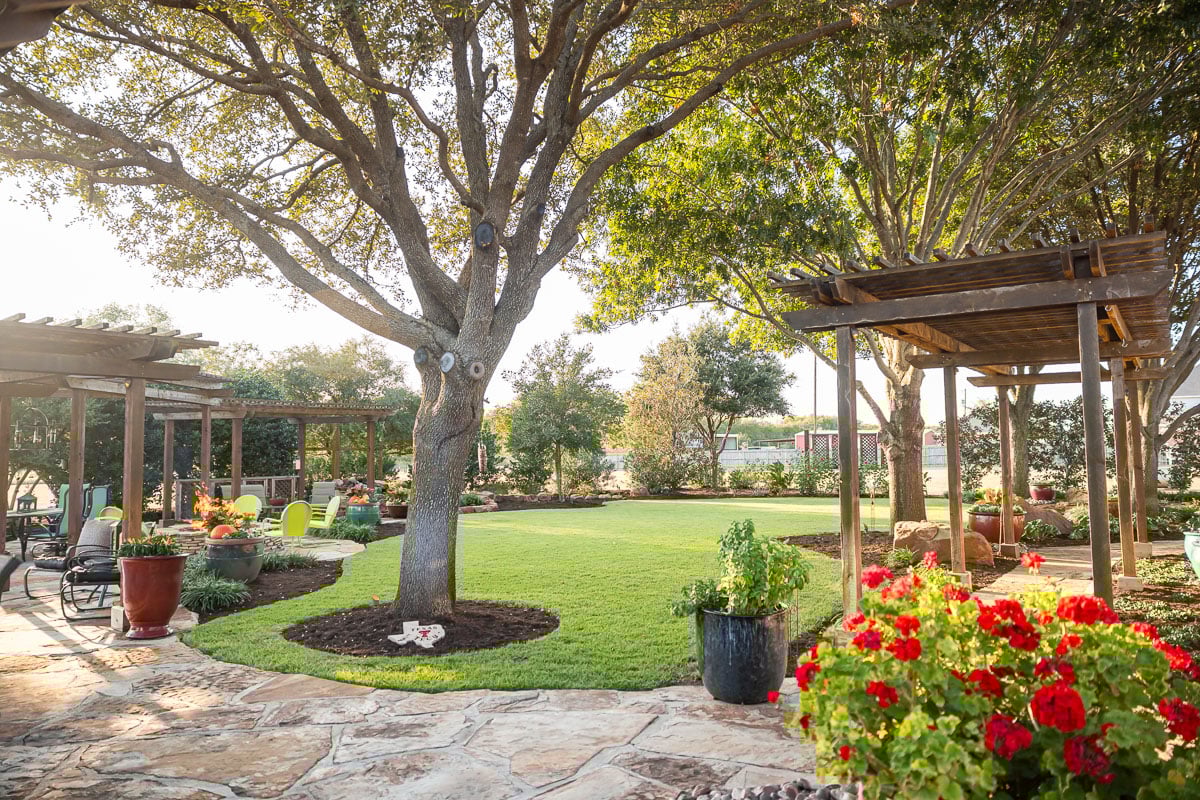
Heavy clay, rocky patches, and sandy areas all impact how well nutrients are able to be available to your trees' roots. Fertilization helps to fill in gaps, giving your plants essential minerals and nutrients that might be lacking in the soil. The timing of fertilizer applications is critical for your trees and shrubs. The most beneficial periods are early spring and fall, when temperatures are mild, and plants can efficiently absorb nutrients.
- Early Spring: Fertilizing as new growth emerges helps trees and shrubs to recover from the winter and supports the development of strong leaves, branches, and buds. This early boost helps bring a strong growing season.
- Fall: Fertilization before dormancy helps trees store energy for winter, strengthen root systems, and prepare them to recover quickly from summer heat and stress.
Avoid fertilizing during the hot summer months. High temperatures and drought stress make it difficult for trees to absorb nutrients, and applying fertilizer in these conditions can sometimes stress the plant further.
Tree and Shrub Disease Protection
For homeowners like yourself, knowing how to protect trees from disease in Texas is essential to keeping your landscape strong. Regular inspections are the first line of defense against disease. By closely monitoring your trees and shrubs, you can catch problems early, before they become severe. Some common signs of infection may include leaf loss or premature leaf drop, discolored or spotted leaves, dead or dying branches, and residue or unusual growths on leaves or bark. Finding these issues early can help targeted treatments work more effectively and prevent the spread of disease to other plants in your yard.
In Central Texas, trees and shrubs face a variety of health challenges, including Oak Wilt, Myrtle Scale, Myrtle Mites, and a variety of insect and fungal diseases on Red Oaks. Check out this entire blog we wrote on tree diseases to understand the type of threats your landscape is likely to face so you can take preventative action before damage occurs.
If a tree or shrub is showing signs of fungal or insect-related issues, there are several treatments available. Fungicides, insecticides, and targeted applications can help manage active problems. However, in most cases, recurring fungal infections are a sign of improper watering practices. Overwatering or watering at the wrong times promotes recurring fungal disease.
To prevent disease and pest issues, try these tips:
- Plant with Proper Spacing and Prune Regularly: This ensures adequate airflow, reduces the humidity around leaves, and lowers the chance overall of fungal growth.
- Improve Your Watering Practices: Deep, infrequent watering at the root zone is ideal. Be careful to avoid overwatering.
- Try Mulching and Improving Soil Health: Maintaining healthy soil and proper mulch levels around trees and shrubs supports root health.
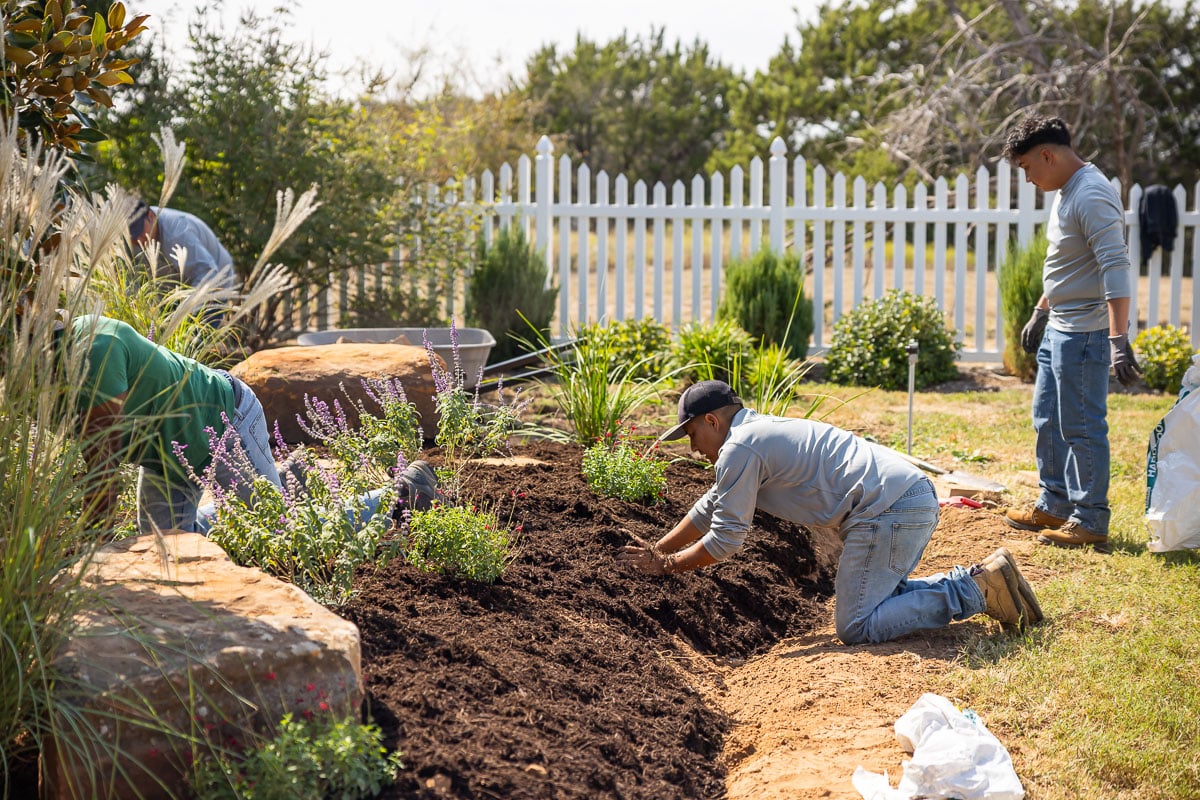
Preventing Drought Stress
Central Texas summers can be tough on even well-established trees and shrubs. Recognizing drought stress is an important enough plant health care tip, we’ve written an entire blog about it. Common signs include wilting or drooping leaves, brown or crispy edges, yellowing, early leaf drop, and slowed growth. These symptoms can sometimes resemble pest or disease damage, so careful inspection is important.
If your tree or shrubs is suffering with drought stress, try these three techniques to help it bounce back:
- Watering: Target drought-stressed plants with deep, focused watering during the late afternoon. For smaller areas, hand-watering works fine. Avoid overwatering though, which can worsen drought stress or encourage fungal problems.
- Mulching: A 2-3 inch layer of mulch around the base of trees and shrubs retains soil moisture, helps regulate temperature, and reduce evaporation. Be sure not to pile mulch around the trunks or stems.'
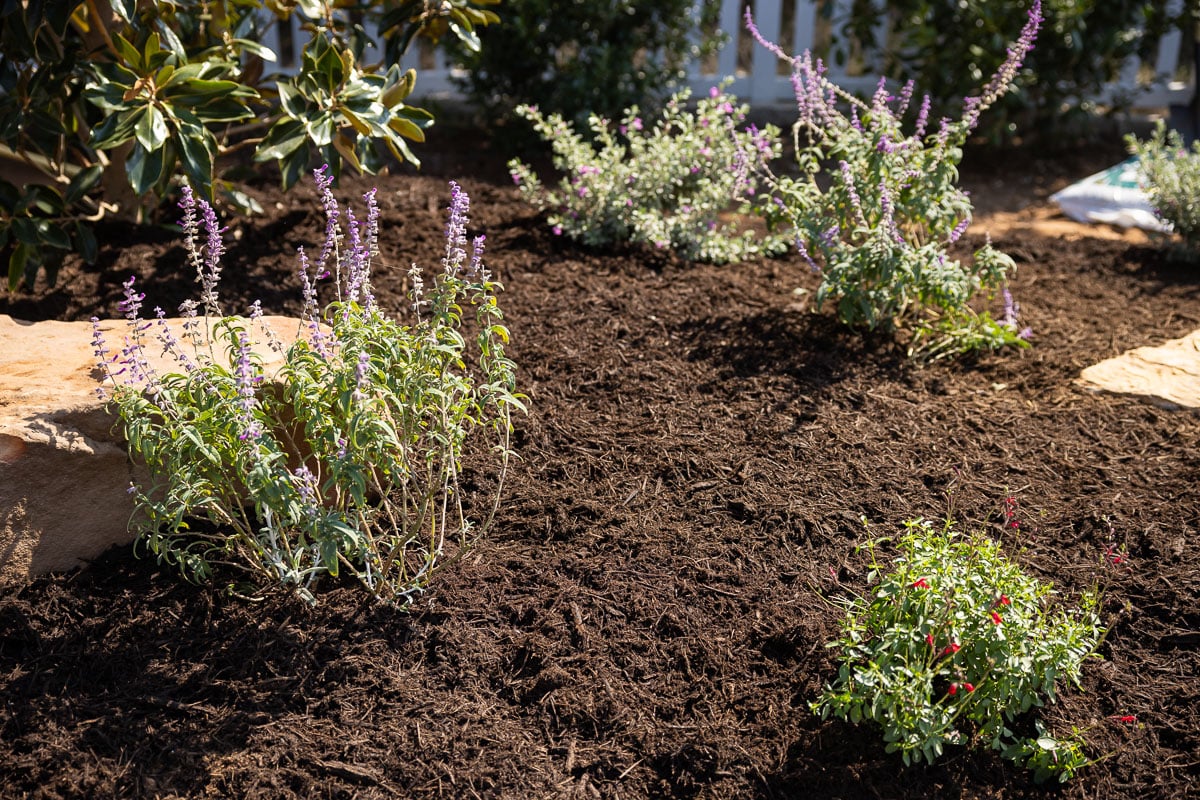
- Adjust Plant Placement: Moving sensitive plants to areas with gentler sun exposure or adding a drought-tolerant companion plant nearby can shade roots, slow evaporation, and improve resilience.
When to Call for Tree Trimming Services: The Benefits of Professional Tree Services in Waco, TX and Nearby
Mowing your lawn is a task you may feel you can handle on your own with a little time and effort, but caring for trees and shrubs is a completely different challenge. These larger plants require specialized knowledge to thrive, and even small mistakes can have long-term consequences.
A trained professional can identify what is truly stressing a tree or shrub, whether it is drought, disease, pests, or structural issues, and make a plan tailored to your landscape. Professionals monitor your plants over time, making adjustments as needed, which saves you the trial-and-error time and reduces the risk of harming your trees.

The Risks of DIY Tree and Shrub Care
- Pruning Mistakes - Over-pruning or tree ‘topping’ can be just as harmful as neglect. Excessive cutting stresses trees, slows growth, and increases vulnerability to pests and disease. Topping, which is removing large limbs or the main tree leaders, can permanently damage the tree’s structure. Professional pruning focuses on clean, strategic cuts that support the tree’s natural form and long-term health.
- Disease Misdiagnosis - Without experience, it can be difficult to identify whether a plant is suffering from drought, fungal issues, insects, or other issues. Treating the wrong issue may waste time, resources, and even harm the plant.
- Improper Tree Removal - Taking down a tree or grinding a stump without the proper tools and knowledge can be extremely dangerous. Safety hazards increase dramatically when handling large limbs, heavy equipment, or trees near structures. For trees that are dead, dying, or in the wrong location, hiring a professional crew is critical. Experts have the equipment and training to safely remove trees, grind stumps, and protect your property from damage. They also know how to evaluate signs your tree might be dying and determine whether removal is necessary.
Partnering with Green Ackors for Tree and Shrub Care in Central Texas
Trees and shrubs are some of the most valuable investments in your landscape, providing beauty, shade, and long-term value for your home. Maintaining them in Central Texas requires knowledge, experience, and a proactive approach.
At Green Ackors, our team of licensed arborists brings local expertise and hands-on experience to every property we care for. We know the soils, the climate, and the common stresses that trees and shrubs face in this region. From pruning and fertilization to disease prevention and drought management, our crews deliver real results that keep landscapes healthy and looking their best.
If something in your yard looks off, like wilting leaves, unusual growth, or signs of stress, don’t wait to reach out.
Need some help caring for your trees and shrubs in Waco, TX? Get started by filling out our contact form today.