%20-%20copy.png)


When Fall finally makes its way (slowly) to Waco, your lawn has been through an awful lot.
Weeks – months even! – of intense Central Texas heat and long stretches without much rain have given your lawn and landscape a beating. Not to mention there could be additional elements like heavy foot traffic, excess mowing, weeds, and whatever else your family and friends threw at it over the summer.
We rehash all of this to say that if your grass is looking a little thinner, more compacted, or just generally worse for wear, we promise you’re not imagining it.
Fall is usually an excellent time to take a step back and figure out what your lawn truly needs before heading into a more dormant winter. For some Waco homeowners, that could mean aeration and overseeding, but for others, it might point to fertilization, weed control, irrigation adjustments, or even a renovation that’s more substantial.
No matter what your lawn needs, one thing is for sure – fall lawn renovation is never a one-size-fits-all solution.
Your grass type, soil, irrigation, weeds, insects, disease, and overall condition will all play important roles in deciding what kind of treatment, techniques, and maintenance make sense for the coming months.
At Green Ackors, we work with homeowners throughout Waco and the surrounding Central Texas communities to help determine what their lawns are asking for. If your lawn could use a little post-summer boost, let’s talk together about what your fall renovation might look like.

Table of Contents: What You’ll Find Inside This Guide
- Is a Fall Lawn Renovation Right For You & Your Lawn?
- Two Methods to Consider: Aeration & Overseeding
- When Should Waco Homeowners Aerate and Overseed?
- A Quick Fall Lawn Care Checklist
- Fall Lawn Renovation in Waco FAQs
- Give your Waco Lawn a Fresh Start This Fall
Is a Fall Lawn Renovation Right For You & Your Lawn?
Between Waco’s heat, intense sun, periods of drought, and heavy use, there’s no denying that a Waco summer can be brutal and stressful on your lawn. It’s possible that your turf can come out of our toughest season looking noticeably different than it did in the spring.
Maybe you’re seeing bare spots, maybe it’s thinning out, and maybe you’re noticing water is running off instead of soaking into the soil like it's supposed to.
Even if you can’t necessarily describe the problem, you might be able to describe the vibe – tired.
It might feel sort of overwhelming, but a tired, dull, and beaten-up lawn doesn’t necessarily equate to a “rip it out and start from scratch” moment (even if it’s tempting).
Often, just a few very targeted fall lawn care treatments are enough to help your existing turf recover and head into winter in better shape. Usually, this is the part where fall aeration and overseeding enter the chat.
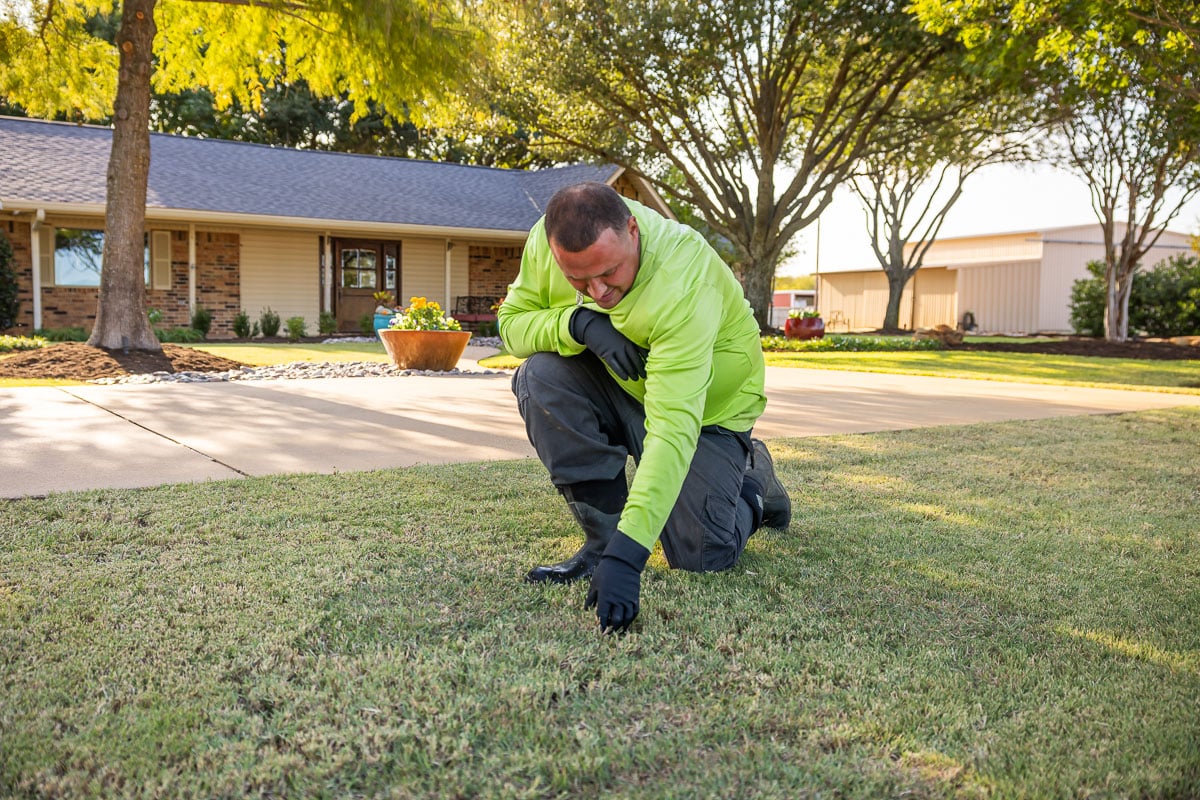
Two Methods to Consider: Aeration & Overseeding
What Is Lawn Aeration?
Over time, the soil beneath your lawn can become heavily compacted from things like foot traffic, kids playing in the yard, pets, mowing equipment, heavy clay soils, and normal use.
When soil becomes too compacted, it becomes harder for important resources like air, water, and nutrients to reach your grass roots. Aeration is a process that’s designed to help relieve that compaction.
The basic idea is simple. Aeration creates openings in the soil so your lawn has more opportunity to access the resources it needs below the surface.
Healthy soil gives grass a much better foundation for growing healthy roots, and around Waco, where clay-heavy soil can already present challenges for drainage and root growth, that foundation is very important for an overall healthy lawn.
Is Your Lawn Asking for Aeration?
While this can be a helpful technique, not every lawn needs to be aerated every fall.
But there are a few signs that can tell you it might be worth considering:
- Your soil feels hard or compacted
- Water tends to run off instead of soaking in
- Grass is thin despite otherwise reasonable care
- Your lawn receives a lot of foot traffic
- Certain areas consistently struggle to grow
- Water and nutrients don't seem to be reaching the roots effectively
We usually recommend lawn aeration once per year – in spring or fall – depending on the turf type and property needs. The important thing to remember is that aeration is supposed to be part of a larger lawn-care strategy.
What Is Overseeding?
Overseeding is another one of those lawn care techniques that’s exactly what it sounds like: spreading grass seed across an existing lawn to introduce new grass growth.
The goal can be to increase density, fill in thin or patchy areas, and help your lawn maintain a fuller appearance.
Most lawns around Waco are warm-season grasses, so during winter, those grasses can go dormant and lose their green color. We often recommend November as the ideal time for overseeding in our part of Texas, using cool-season grass seed (like winter rye). That gives the seed a chance to germinate while soil conditions are still ideal before any of our colder temperatures settle in.
Are Aeration and Overseeding Often Done Together?
Often, these two treatments are discussed together because they can complement one another and work well in the same treatment plan.
Aeration creates openings in compacted soil, giving seed a better opportunity to make contact with the soil and establish; then overseeding adds new grass growth to areas where your existing turf may be thin.
Aeration helps improve the growing environment, while overseeding introduces new grass.
Not every lawn needs both of these things, though.
If your grass is already dense and healthy, overseeding may not provide much benefit. And if your lawn has underlying problems like poor drainage, irrigation issues, disease, or severe soil problems, simply throwing seed at it isn't going to solve the root issue.
Like any other part of landscape or lawn health, it all depends on your specific property and its unique needs.
When Should Waco Homeowners Aerate and Overseed?
Fall is a useful window for lawn renovation because you're working after the worst of the summer heat has passed, but it’s never as simple as looking at the calendar and saying, “Oh, it’s fall! Time to tackle my aeration and overseeding plans!”
Here’s what we typically recommend for most properties:
- Aeration: Aerate once per year in either spring or fall, depending on your turf type and property needs.
- Overseeding: November is the recommended window for overseeding Texas lawns, particularly when using cool-season grass such as winter rye.
Fall – which stretches from early September to late November – can have very different weather conditions throughout our area over that course of time. Soil temperature, grass type, moisture, and the condition of your lawn all matter.
So, it’s important not to go in blindly and start scheduling these treatments based on the calendar – each specific property’s status matters.

A Quick Fall Lawn Care Checklist
If you're putting together your fall lawn care checklist – whether you’re working with a professional team or plan to DIY a bit of it yourself – here are a few recommendations on where you should start to get the best results.
- Assess Your Lawn: Consider your lawn as a whole before you make any decisions. Do you see bare, thinning spots? Compacted soil? Insect issues or disease? Try to get a full picture of lawn health before you make any choices.
- Consider Aeration: Even if not everyone needs their lawn aerated, it’s important to look for signs before you do anything else. Is your soil compacted? Does it seem your lawn might benefit from better air and water movement into the root zone?
- Consider Overseeding Needs: If overseeding makes sense for your lawn, November is the recommended timing to start considering this treatment.
- Continue Mowing Consistently: Your mowing schedule will change as grass growth slows, but keeping your lawn maintained can help prevent weeds from maturing and spreading.
- Don’t Stop Irrigation: Especially if you’re working with newly seeded areas, which need reliable irrigation to root and grow. But even if you're not overseeding, fall watering still matters as temperatures fluctuate and your lawn transitions toward dormancy.
- Address the Weeds Regularly: Pre-emergent treatments can help prevent winter weeds from establishing, while post-emergent treatments address weeds that are already present.
- Fertilize (If Necessary): Fall treatments can help provide nutrients as the lawn prepares for winter and the next growing season.
Fall Lawn Renovation in Waco FAQs
What is the best time to aerate a lawn in Waco?
We usually suggest that aerating once per year (in either spring or fall) is the sweet spot. Of course, this all depends on the turf type and individual property needs.
What is the best time to overseed a lawn in Waco?
There’s no hard and fast rule, but in our area, we like to think about November for overseeding Texas lawns. This timing allows cool-season seed such as winter rye to germinate while conditions are still favorable before winter temperatures arrive.
Does every lawn need to be overseeded?
No way. Overseeding can be beneficial for lawns that need increased density or have thin and patchy areas, but it isn't necessary for every lawn during fall renovations.
Should I aerate before overseeding?
Aeration and overseeding are usually paired together because aeration can improve soil conditions and create opportunities for seed to establish. But not every lawn needs both.
Can I renovate my lawn myself?
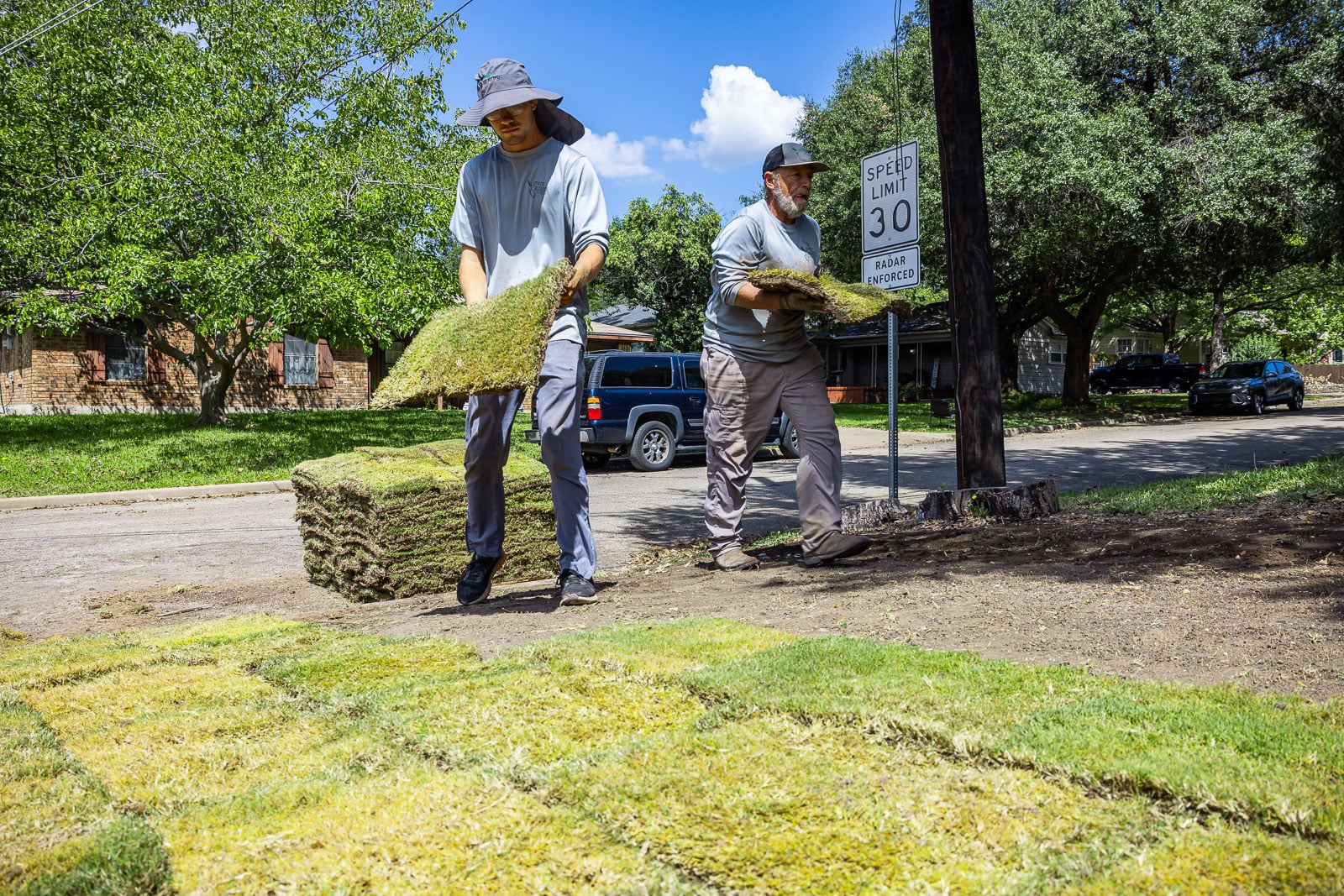
Of course you can. But lawn renovation involves more than spreading seed or laying down a few pieces of sod. You need a proper understanding of soil condition, irrigation, grass type, weeds, insects, disease, and preparation to get the best results.
Give Your Waco Lawn a Fresh Start This Fall
After a long Central Texas summer, your lawn deserves a little attention, love, and labor.
But that doesn't necessarily mean you need to spend every weekend aerating, seeding, fertilizing, watering, and worrying about whether you're doing it correctly.
The first step toward the lawn you want is figuring out your goals, your lawn’s health status, and a plan for pproblem-solving
We proudly work with homeowners throughout Waco and the surrounding Central Texas area to evaluate struggling lawns and develop unique plans based on the property's actual needs.
If you're ready to stop wondering what your lawn needs and start working toward a healthier, more attractive yard, contact our team to schedule a consult for lawn care services in Waco.