%20-%20copy.png)


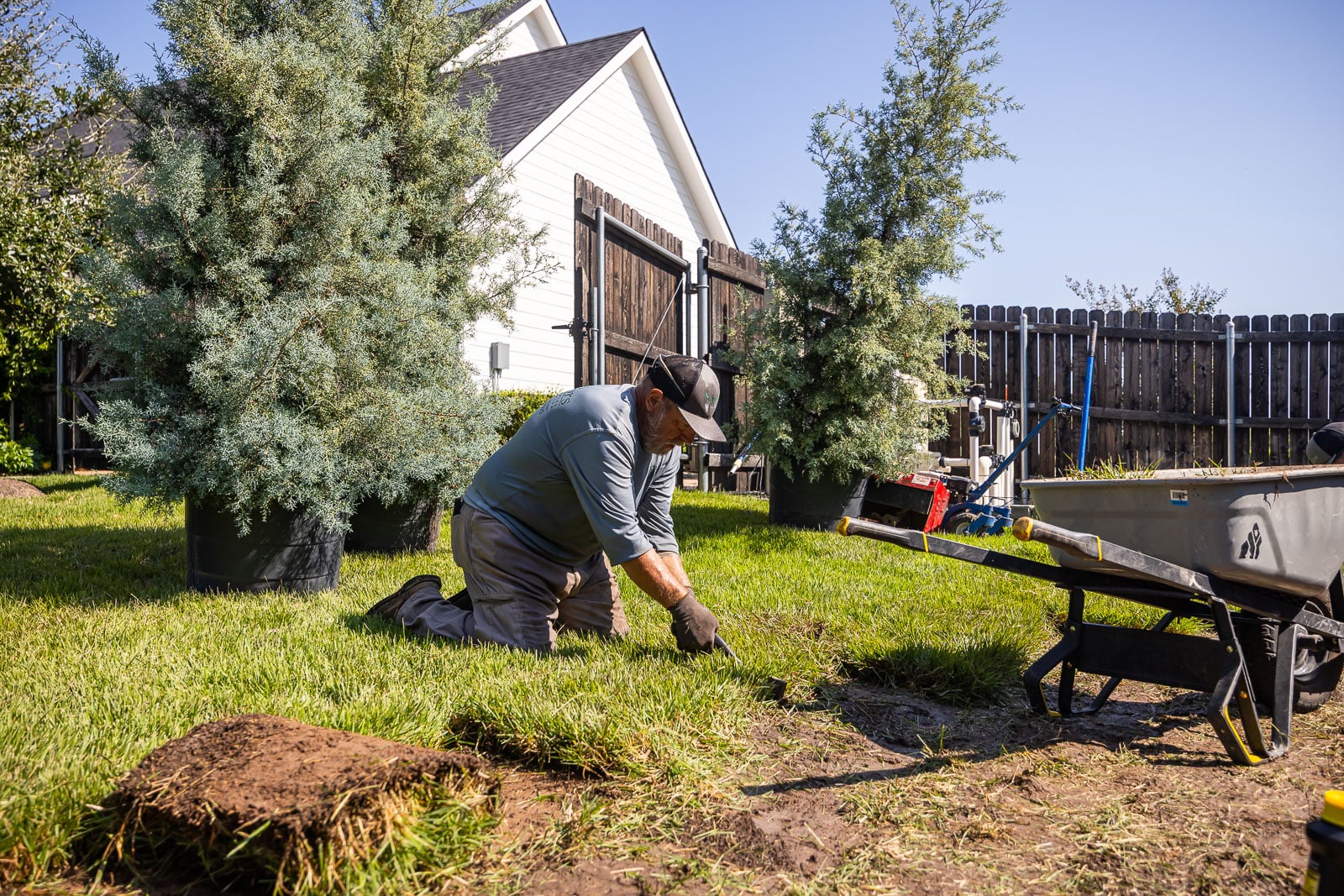
Manicured lawns, gorgeous floral arrangements, and established trees define the best landscapes of Central Texas, creating a welcoming environment for homeowners to enjoy. As effortless and stunning as some residential landscapes appear, creating and maintaining a yard that lives up to these standards is easier said than done.
Often at the heart of this struggle is plant stress. It can be caused by a number of factors, and recognizing the signs of plant stress early can help you pinpoint a problem and correct it before it becomes a more serious landscaping issue.
To help your Central Texas landscape thrive, we’ve put together a guide to help you identify plant stress symptoms, the environmental factors that can contribute to plant stress, and what you can do to stop the problem before it worsens.
Table of Contents: What You'll Find Inside This Guide
- How to identify plant stress and correct it
- The early warning signs of plant stress
- The most common causes of plant stress in Central Texas
- What to do about plant stress
- Central Texas plant care FAQs and what to know
Central Texas Plant Care: How to Identify Plant Stress and Correct It
It’s no secret that the Central Texas climate can be extreme. You can expect periods of intense heat, drought, storms, high winds, and a host of other environmental factors that are challenging for plants.
Other factors, such as soil type and the presence of insects, can also increase the difficulty of achieving your dream landscape. Central Texas presents an uphill battle, but it isn’t impossible to overcome.
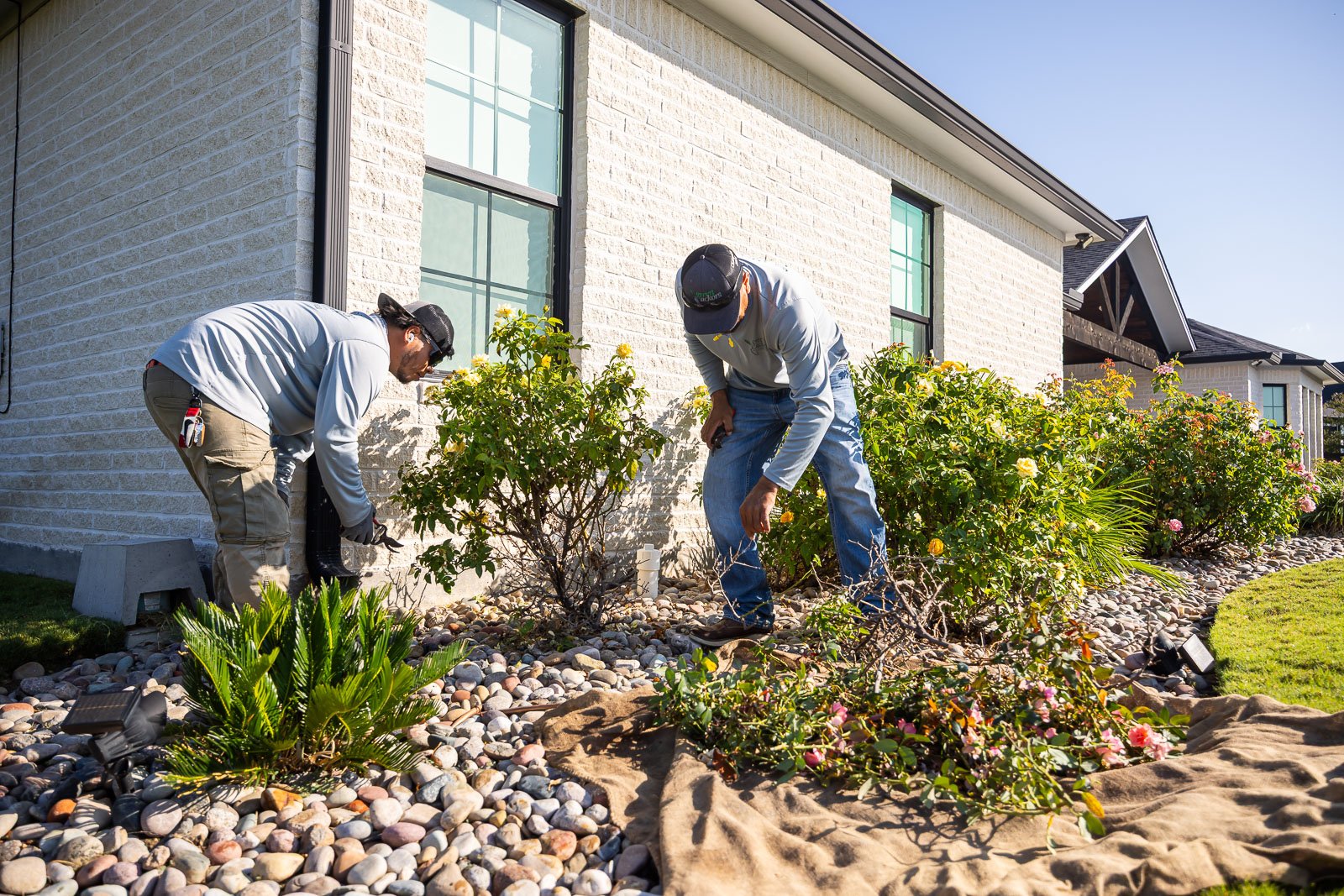
One of the most effective ways to combat these challenges is to keep a close eye on your plants. If you notice signs of plant stress, you can act quickly to address the underlying issue and maintain a healthy, good-looking landscape.
The Early Warning Signs of Plant Stress
Plant stress refers to non-ideal conditions that cause a plant to slow in growth. In extreme cases, prolonged plant stress can permanently damage your plants, including stunting their growth, reducing their productivity, making them susceptible to disease, or even causing death.
Because of the potential severity of plant stress, as well as how commonplace it can be in Central Texas, it is essential to know plant stress signs. Early detection is imperative, as the longer plant stress persists, the more likely permanent damage becomes.
Thankfully, most plant stress signs are easy to spot, especially if you know what to look for. The top indicators of stress include:
- Wilting
- Yellowing leaves (called “chlorosis”)
- Browning leaf edges
- Leaf scorch
- Premature leaf drop
- Stunted growth
- Curling leaves
- Branch dieback
- Sparse foliage
- Failure to bloom
Of these plant stress symptoms, some are more common and easier to notice than others. We encourage you to look for discolored or wilting leaves, leaves that drop prematurely, thin spots in your lawn, and flowering plants that are not blooming at the right time.
If you notice any of these signs of plant stress, don’t delay. The sooner you recruit professional help and address the underlying issue, the more likely your landscape is to make a complete recovery.
The Most Common Causes of Plant Stress in Central Texas
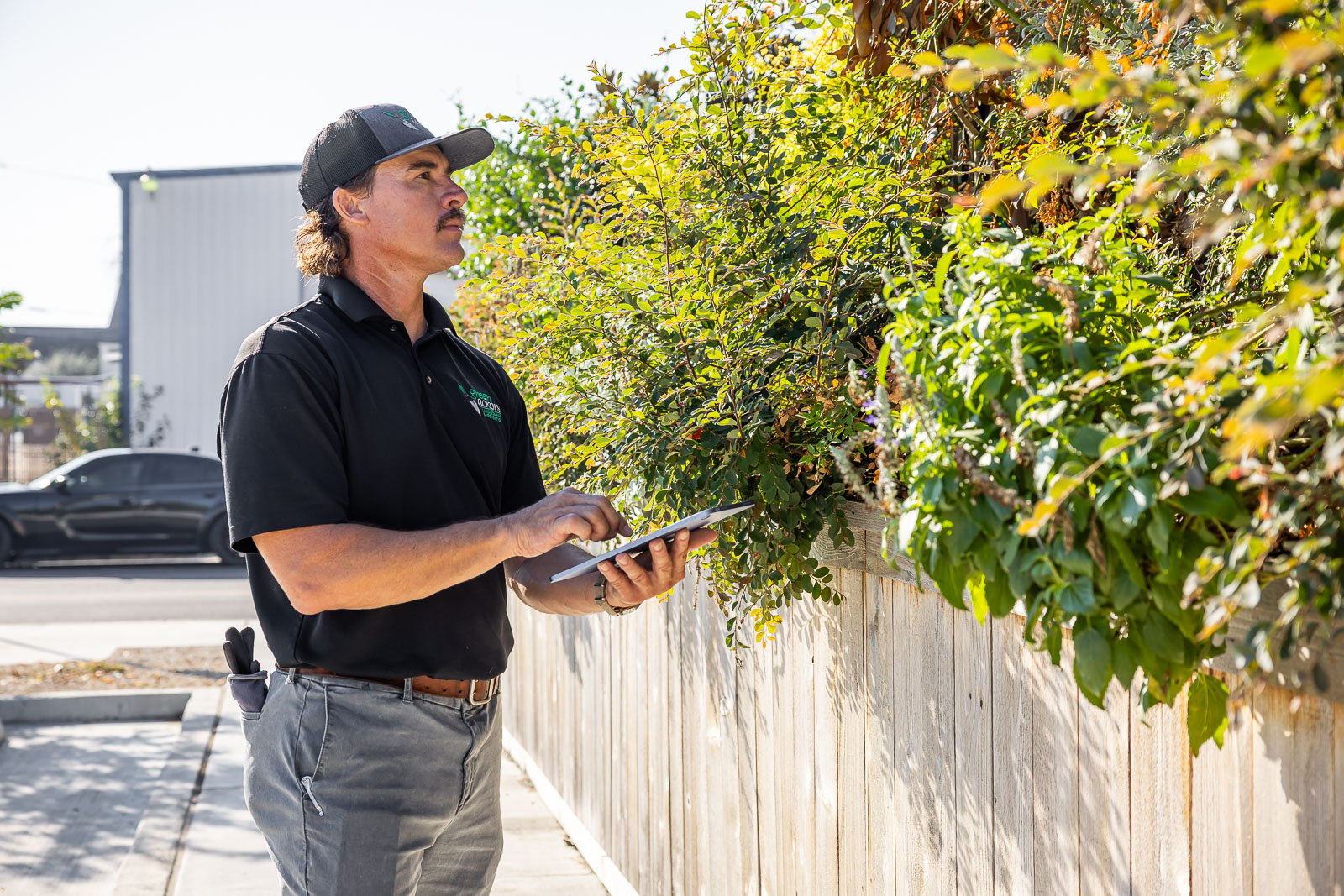
A prompt response to plant stress concerns can save your plants, and identifying the underlying causes can help you develop a prevention plan going forward. This is often a collaborative effort: you notice the signs of plant stress, relay them to a professional landscaper, and they determine the root issue.
To help you identify the most common forms of plant stress, we’ve compiled a list of the issues you should look for in Central Texas. While each of these potential problems is unique and may require a different resolution, they can share warning signs.
- Heat stress
- Drought
- Overwatering
- Poor drainage
- Soil compaction
- Nutrient deficiencies
- Insects and diseases
- Improper planting depth
- Root damage
All of the potential causes of plant stress mentioned above are fairly commonplace in Central Texas, with heat stress and drought being the two most notable issues, followed by fungus and insects.
Working with a professional to determine the exact cause is a great way to ensure your plants get the help they need.
What To Do About Plant Stress
Whether you’re trying your hand at Central Texas gardening or simply striving for the best curb appeal possible, noticing the signs of plant stress is only the first step toward accomplishing your goals. Once you have confirmed that your plants are under duress, it’s time to take action.
The most important part of caring for stressed plants is to determine the root cause of the stress. For the sake of accuracy and efficiency, we recommend working with a professional landscaper who has local experience. They can pinpoint what’s wrong and work with you to create a comprehensive recovery and maintenance plan.
With that in mind, there are a few steps you can take on your own to help avoid plant stress and set your landscape up for success. By incorporating these tips into your lawn care strategy, you give your plants the best chance at thriving in the face of harsh environmental factors.
- Check the soil moisture before you water. This can help prevent overwatering, determine just how deeply your plants need hydration, and otherwise limit irrigation mistakes.
- Water deeply and less frequently. It may seem counterintuitive, but watering less frequently can actually be beneficial. Instead of increasing how often you water, focus on delivering that water where it is needed most: deep into the soil so that it reaches the roots directly.
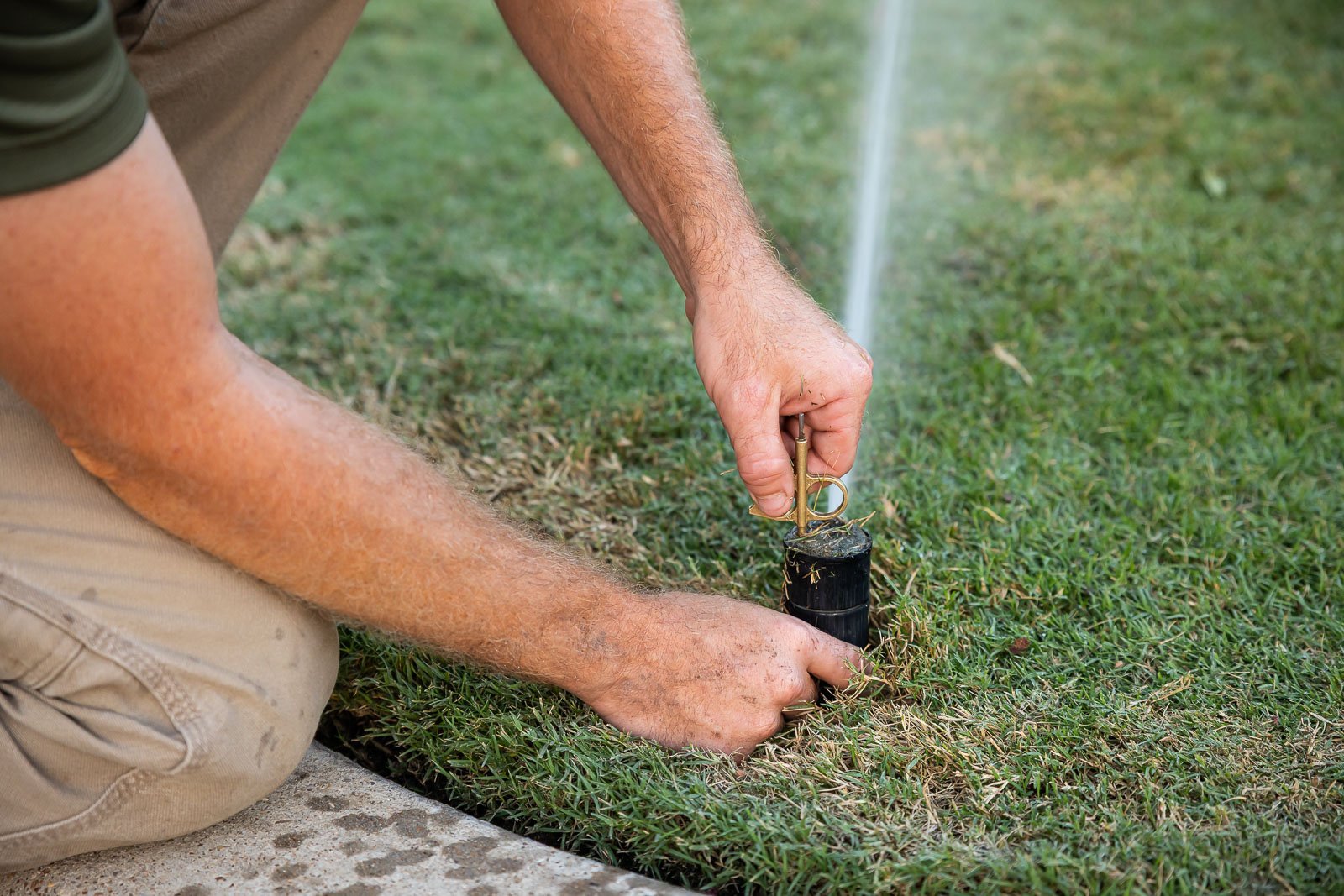
- Monitor your irrigation system. Investing in a smart irrigation system can work wonders for your Central Texas landscape, but it should still be watched closely. Irrigation problems can cost you a significant amount of money, lead to over- or underwatering, and wreak havoc on your stress plants. Ensure your system is working properly, and adjust it accordingly to maximize performance.
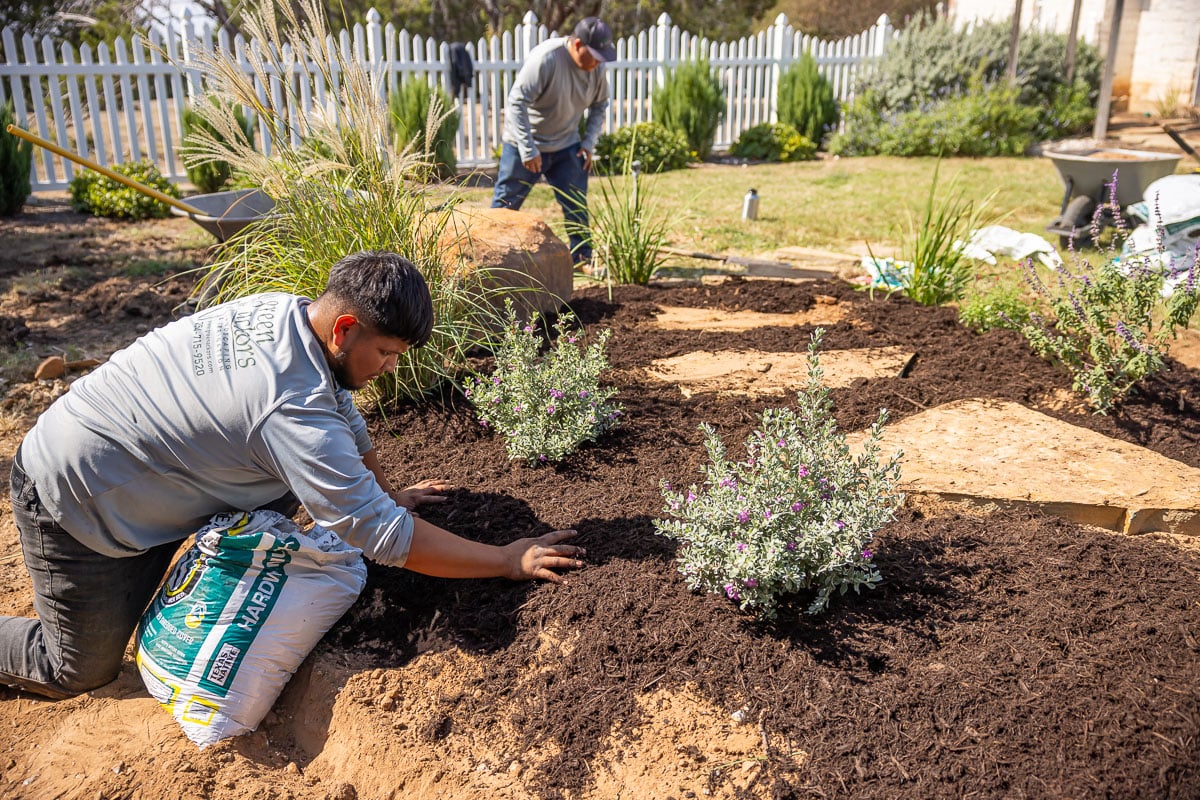
- Apply mulch correctly. Mulching is a simple but effective way to combat the harsh Central Texas climate and reduce the stress your plants experience. However, it needs to be done correctly. Remove any weeds from the area, then add an even layer of mulch that is between two and four inches thick. Keep it away from the trunks of plants and trees. When done correctly, mulching will regulate soil temperature, help retain valuable moisture, suppress weeds, and even break down over time to improve soil nutrients.
- Inspect for insects and disease. These two pests go hand-in-hand with plant stress. If they are present, they can make plant stress worse. If plants are already stressed, they are more susceptible to disease. In other words, insects and disease can be both a cause and a symptom of plant stress!
- Avoid excessive fertilization. While fertilization can work wonders for your yard, applying too much fertilizer at the wrong time can actually contribute to plant stress. Wait until your plants are safe from heat stress before applying heavy amounts of fertilizer.
Central Texas Plant Care FAQs
What are the top signs of plant stress?
There is a long list of plant stress symptoms you could look for, but a select few stand out as the most common and easiest to spot: wilting leaves, discolored leaves, premature leaf drop, thinning turf, and a failure to bloom.
What are the most common causes of plant stress?
Again, there are many potential causes of plant stress, and multiple factors often contribute to a stressed landscape. However, the most common issues in Central Texas are heat stress, irrigation issues, fungus, and insects.
Why is Central Texas plant care so challenging?
The climate in Central Texas can create challenging conditions for a variety of plants. Extreme heat, periods of drought, and poor soil conditions are just a few of the obstacles you might encounter.
What should I do if I notice plant stress signs?
Work with a professional to identify the underlying causes and develop a plan to address those core concerns. You can also implement a few basic maintenance protocols to help mitigate plant stress from the start. Water deeply with reduced frequency, mulch properly, perform regular plant inspections, and time your lawn treatments correctly.
Plant Health Care Services in Central Texas
Taking steps to preserve the health of your landscape is a good way to prevent plant stress from becoming severe and damage from becoming permanent. However, a professional touch can benefit your property and set your landscape up for success, even in the midst of challenging climate conditions.
At Green Ackors, we have been helping clients achieve and maintain their dream landscapes for 25 years. From irrigation services and landscape maintenance to plant stress diagnosis and healthy solutions, our area expertise and experience can elevate your home for the long haul.
Contact us today to learn how you can enjoy a healthier, better-looking landscape!