%20-%20copy.png)


Central Texas is a great place to raise a family, chase your dream career, explore the great outdoors, and immerse yourself in Texas culture. There’s no question that Waco and the surrounding areas are easy to call home.
While we could write an ode to just how much we love the Lone Star State, it’s not without its challenges. The climate in Central Texas can be downright brutal, with heat, drought, and other elements proving difficult, even to the most hardened Texan.
Your landscape is no exception to these adversities. A Texas heatwave can cause legitimate problems, causing the health of your trees to deteriorate and your landscaping to suffer. To guard against these negative outcomes, it’s important to understand tree care during extreme heat and know how to save a stressed tree.
Table of Contents: What You'll Find Inside This Guide
- The common signs of heat stress in trees in Texas
- How to immediately revive stressed trees after heatwaves
- Avoiding additional tree health stressors
- Long-term steps to effective tree care during extreme heat
- Texas heatwave tree care FAQs
- How to protect your trees from Texas heat with professional tree care
Texas Heatwave Tree Care
Certain trees can seem impervious to external threats. Year after year, challenge after challenge, they stand firm and resolute, untouched by the passage of time or by the cycles of weather, no matter how extreme.
In truth, all trees–young and old, new and established–are susceptible to damage and stress, especially at the hands of the extreme heat frequently found in Central Texas.
The heat itself is rarely responsible for the problems your trees experience. Instead, it is the prolonged high temperatures, often accompanied by drought, that can lead to tree stress and its consequences.
Heatwaves cause water loss that can outpace a tree’s ability to absorb moisture from the soil. It can also reduce the efficiency of photosynthesis and rob the soil of nutrients. Given enough time, these factors can have serious consequences, even for the most robust of trees.
In the Waco, TX, area, it is not a question of if your trees will experience these challenges, but a question of when. In other words, it’s important to know how to recognize heat stress, take steps to combat it, and help revive stressed trees after a heatwave.
The Common Signs of Heat Stress in Trees
Before jumping into how to save a stressed tree from a Texas heatwave, it’s essential to identify the telltale signs that your tree is struggling. The following warning signs should be taken seriously, but remember, they could be indicative of issues other than drought. To be absolutely certain of the underlying cause, it is best to consult an expert.
- Wilting leaves
- Leaf scorch or browning
- Premature leaf drop
- Sparse canopy growth
- Branch dieback
All of these signs are symptoms of more worrisome issues, and they should be addressed as quickly as possible. If you ignore the early warning signs of heat stress, you could open the door to far more destructive problems, such as structural weakness, disease, and death.
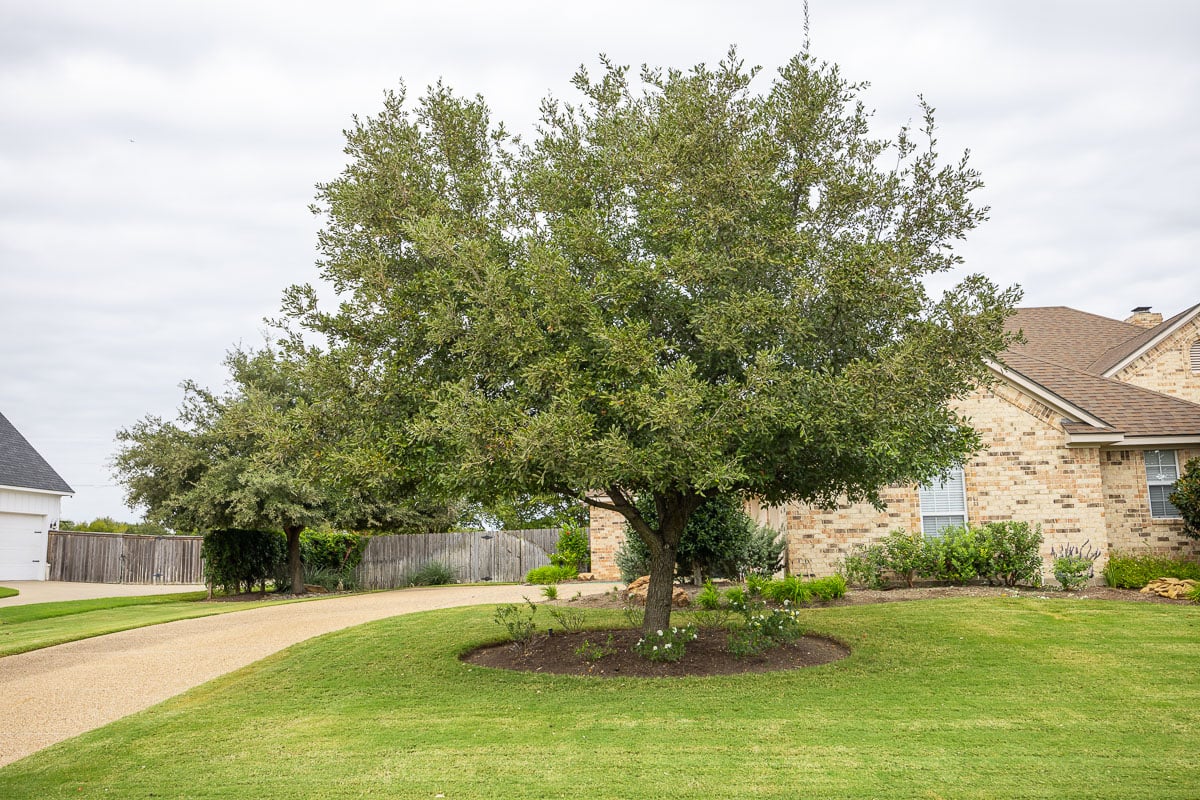
How to Immediately Revive Stressed Trees After Heatwaves
If you notice that your tree is showing signs of heat stress, it’s important to take action before the problem progresses. Waiting too long can spell disaster for your tree, and damage that has gone too far can be irreversible.
Thankfully, there are heat-stressed tree treatments that can be extremely effective, especially when done in a prompt manner. Once you have used these interventions to kickstart your tree’s recovery, you can implement long-term strategies for improving its resilience in the face of future heatwaves.
- Deep watering techniques, such as drip irrigation, soaker hoses, or specialized tools that deliver water to the roots themselves.
- Proper watering schedules that abide by local regulations and avoid unnecessary evaporation.
- Monitoring soil moisture to ensure that your trees have access to the hydration and nutrients they need to thrive.
- Avoidance of overwatering, which is a real concern when responding to extremely hot, dry conditions.
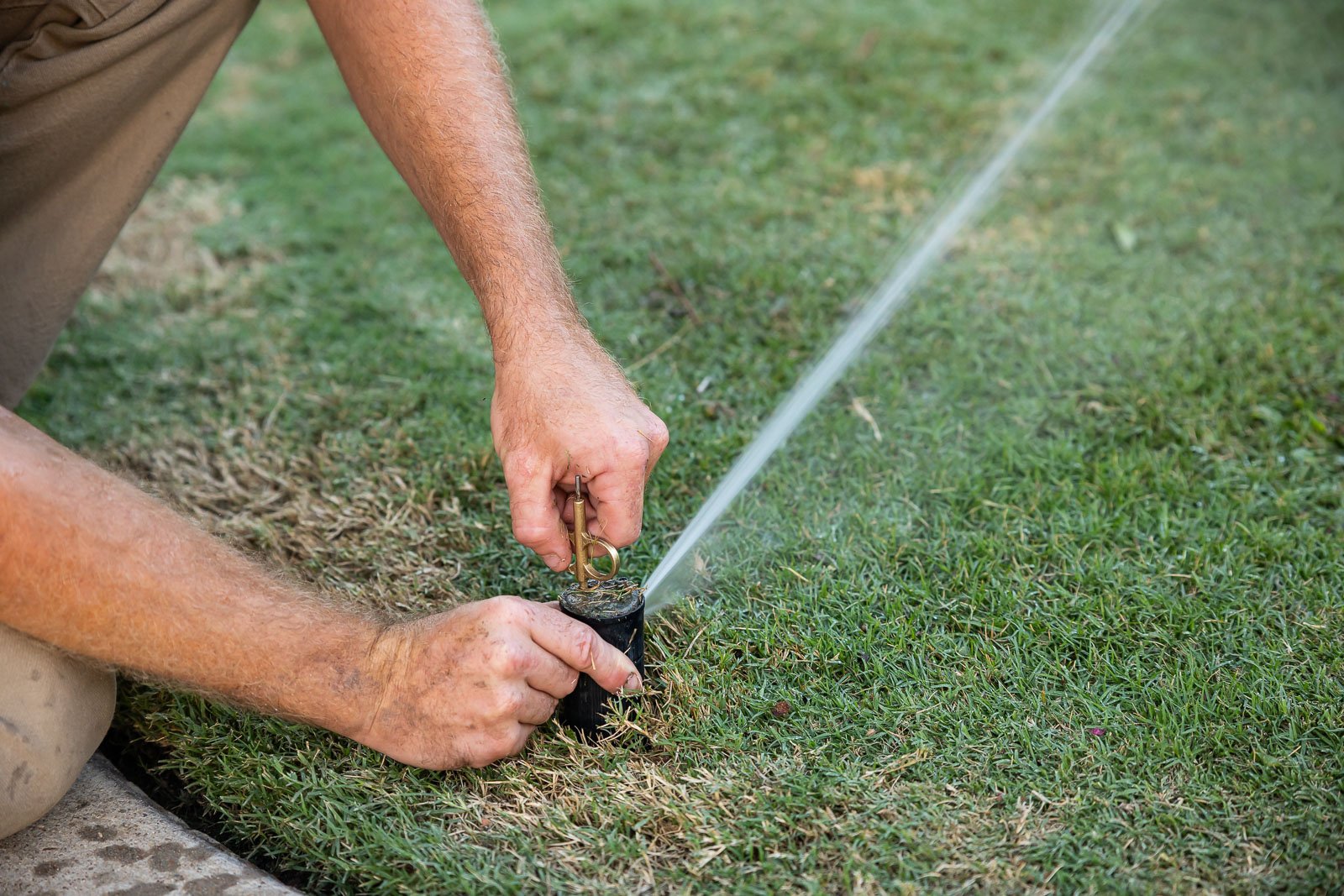
Avoiding Additional Tree Health Stressors
The intense Central Texas heat can be hard on trees, even to the point of causing serious health concerns. When additional stressors are present, the effect of heat is only increased, setting the stage for more extreme, rapid decline. In other words, it is imperative to avoid adding unnecessary stress to trees that are already facing the challenge of heat.
There are several factors that can contribute to tree stress, but the most impactful are heavy pruning, fertilization, and ecosystem disruption. Each of these stressors weakens your trees and makes them more susceptible to the Texas heat and all that comes with it. A vulnerable tree is far more likely to succumb to the challenges of the heat than one that is healthy and free of additional stress.
Long-Term Steps to Effective Tree Care During Extreme Heat
Make no mistake: you need to know how to save a stressed tree in the brutal Central Texas climate. However, that short-term scramble to revive stressed trees after a heatwave is just the beginning. To truly improve the health and longevity of your trees, you must invest in long-term strategies.
The healthier and more resilient your trees are, the less likely they are to suffer significantly during periods of extreme heat. This foundation of strength and resilience also allows them to recover more quickly from the effects of such heat, making these long-term strategies very effective.
Mulch Application
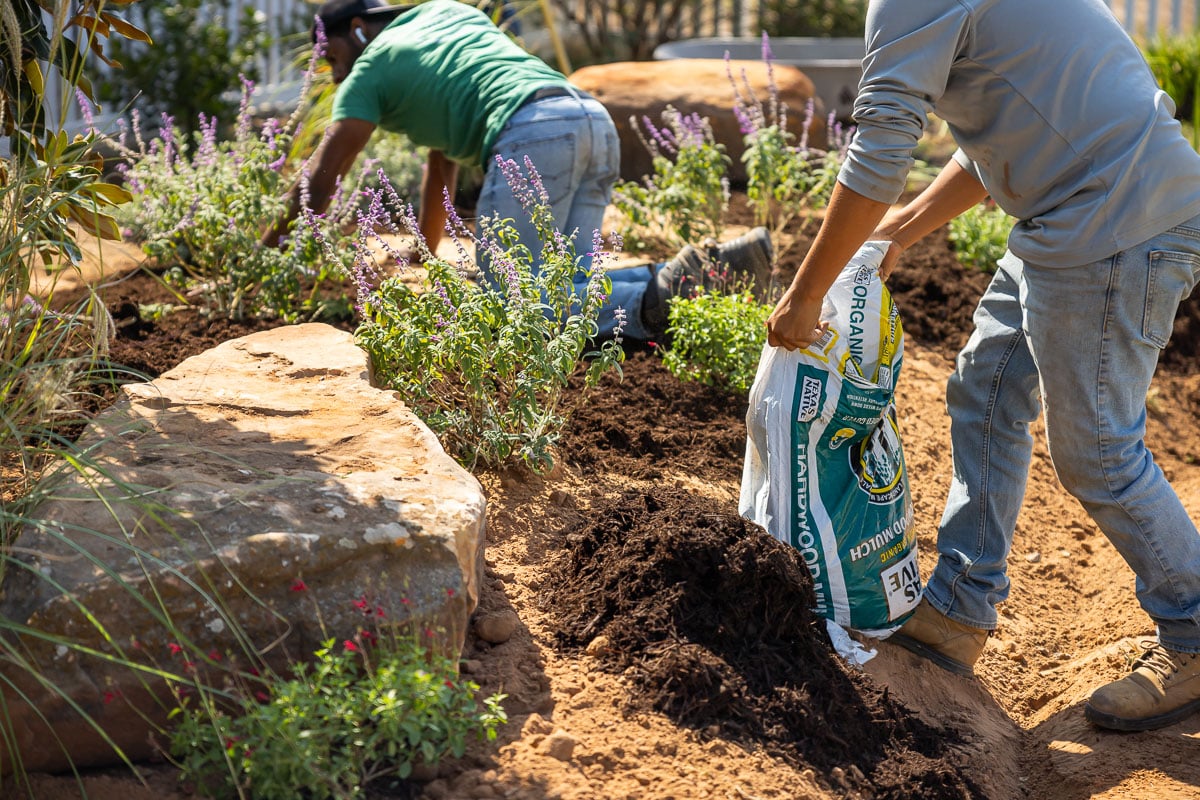
Applying mulch to the base of your trees is one of the most effective ways to combat the heat in Waco, TX. While there is such a thing as overmulching, mulch that is applied properly helps regulate soil temperature, retain moisture, and protect tree roots. It’s a simple, cost-effective method of setting your trees up for long-term success.
Proper Irrigation
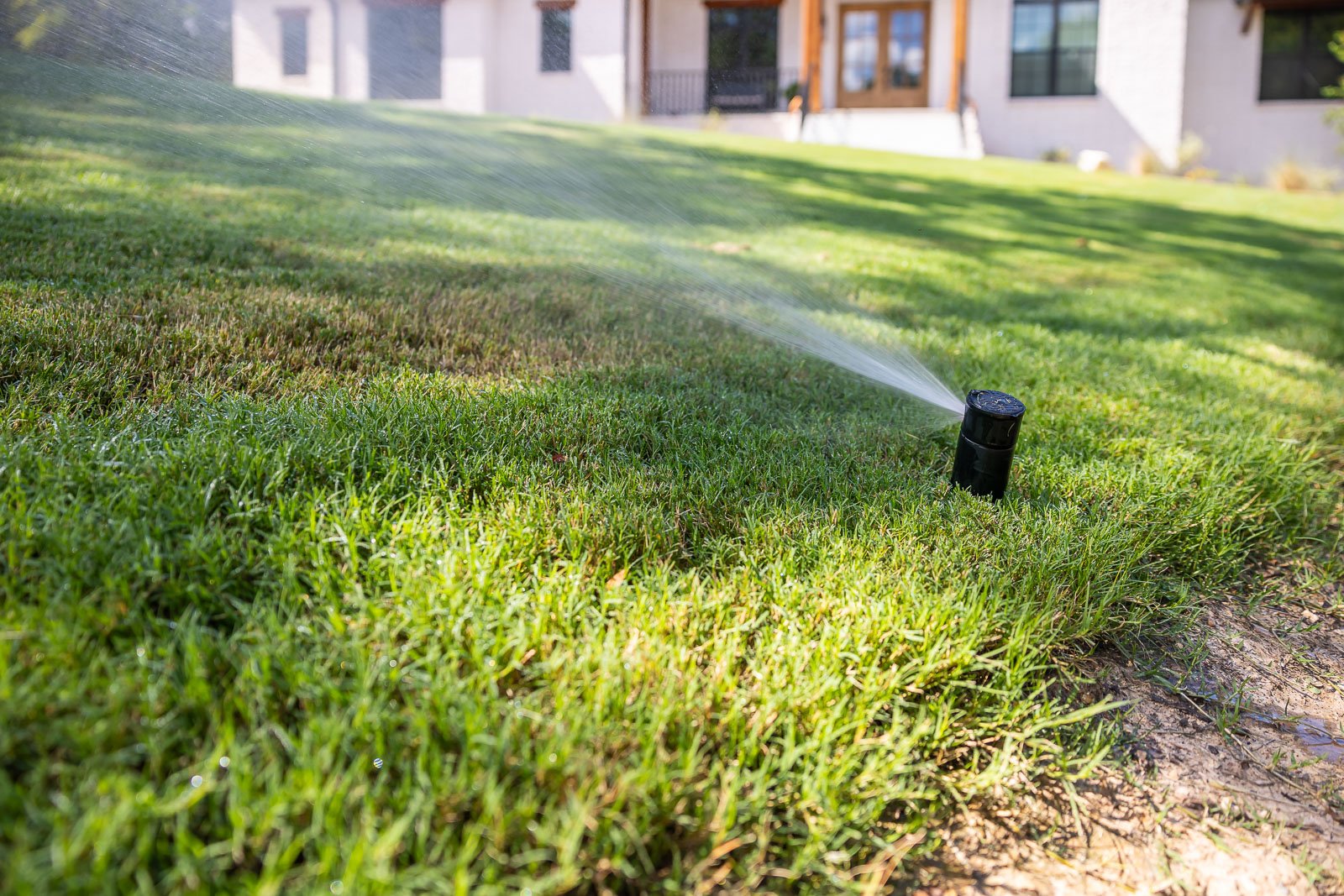
Moisture is among the most important elements in preserving tree health, and the intense heat of Central Texas often creates a dry environment. Proper irrigation is the solution to this problem, especially if you invest in a smart irrigation system that evaluates weather conditions, delivers water precisely where it needs to go, and keeps your tree’s root system hydrated without wasting resources.
Routine Tree Inspections
Catching potential problems early is the best way to give your trees a fighting chance at surviving and bouncing back from a heatwave. For this reason, routine tree inspections are an integral part of tree care during extreme heat, allowing you to address concerns before they evolve into serious (and expensive) issues.
Soil Health Improvement
Healthy soil promotes healthy plants. Thankfully, you don’t have to leave the health of either to chance. You can take meaningful steps to healthier soil by testing it for nutrients, fertilizing to correct any imbalances, and mulching to protect it from the elements. Just remember to limit fertilization and any soil disruption to times of low stress; otherwise, you could exacerbate the symptoms of the Texas heat.
Preventative Pruning
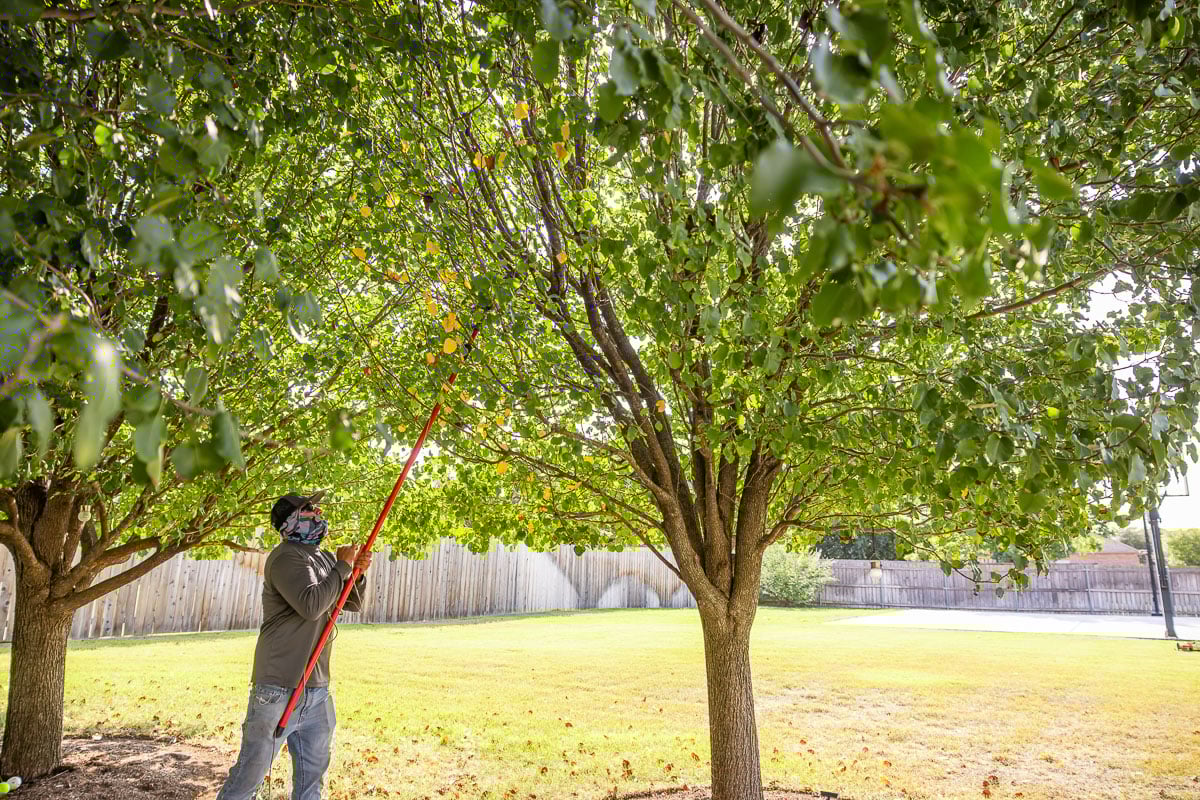
Excessive, unchecked, or unhealthy growth can all create additional stress on your trees. While it is vital not to over-prune, intentional trimming of your trees can prevent heat stress, disease, and other health concerns from taking hold. Because preventative pruning is a delicate process, we recommend working with an experienced professional who can identify areas of concern and address them accordingly.
Texas Heatwave Tree Care FAQs
What are the most common signs of tree heat stress?
Heat stress can manifest in a variety of ways, sometimes varying depending on the type of tree that is affected. The most common signs of heat stress to look for include wilting leaves, leaf scorch or browning, premature leaf drop, sparse canopy growth, and branch dieback.
How can I revive stressed trees after a heatwave?
If your tree is not impacted to the point of no return, you can help revive it by employing deep watering techniques on a regular schedule, monitoring soil moisture to ensure it is not too dry, and avoiding overwatering in response to heat stress. In other words, it all comes down to proper watering!
Can my trees be prepared for extreme heat in advance?
Yes, you can set your trees up for success in the face of the Central Texas heat. Taking steps like mulching, investing in a smart irrigation system, improving soil health, and regularly inspecting your trees are all excellent ways to help your trees survive challenging circumstances.
Protect Your Trees from the Texas Heat with Professional Tree Care
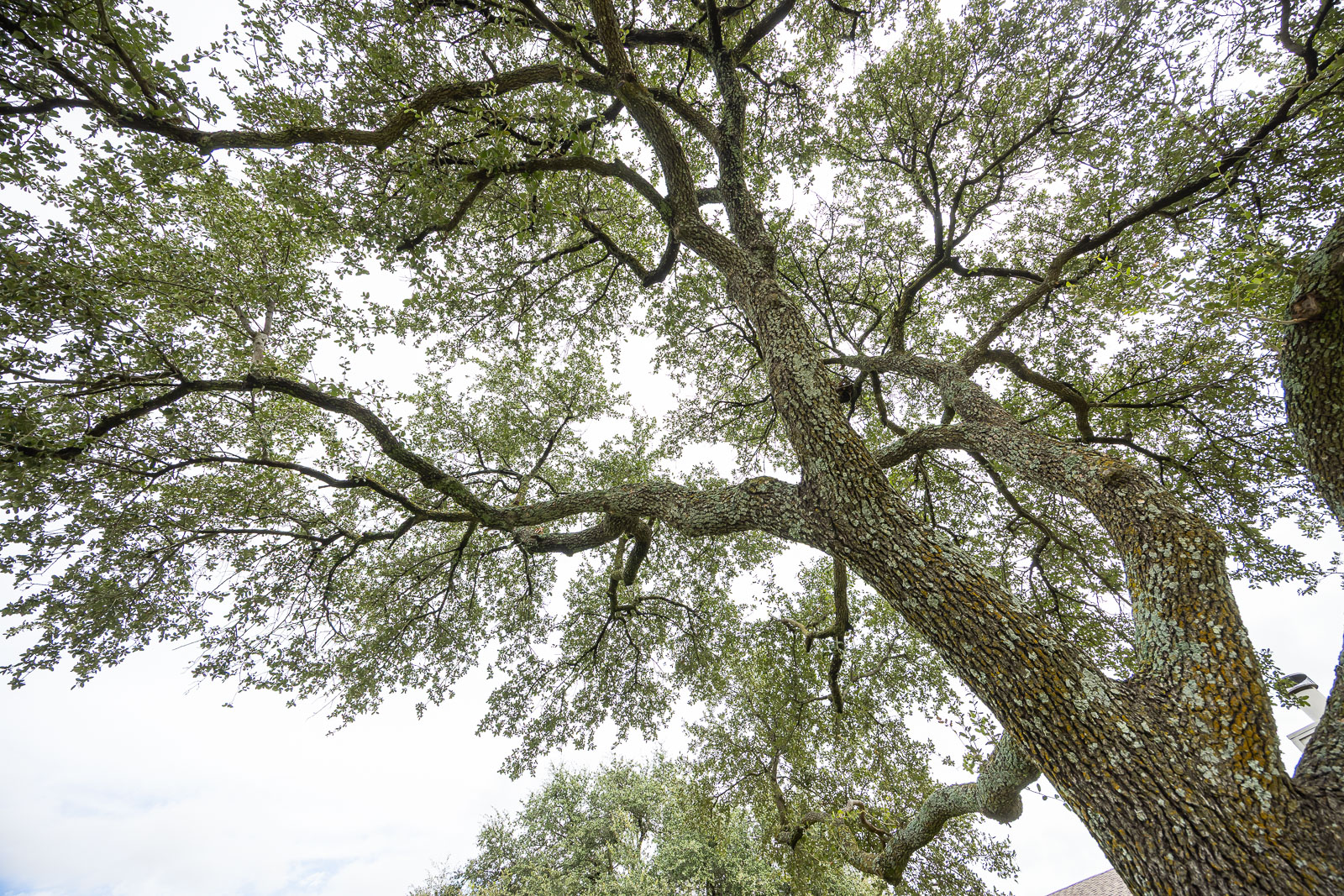
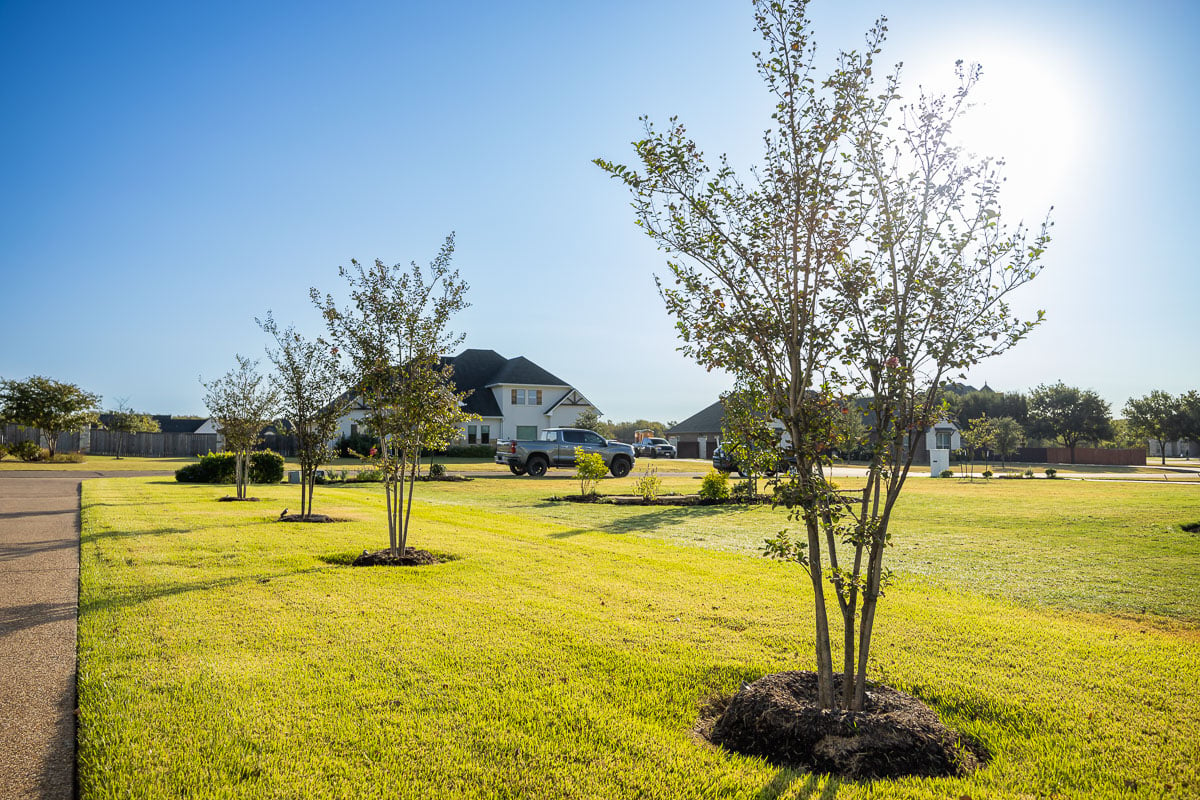
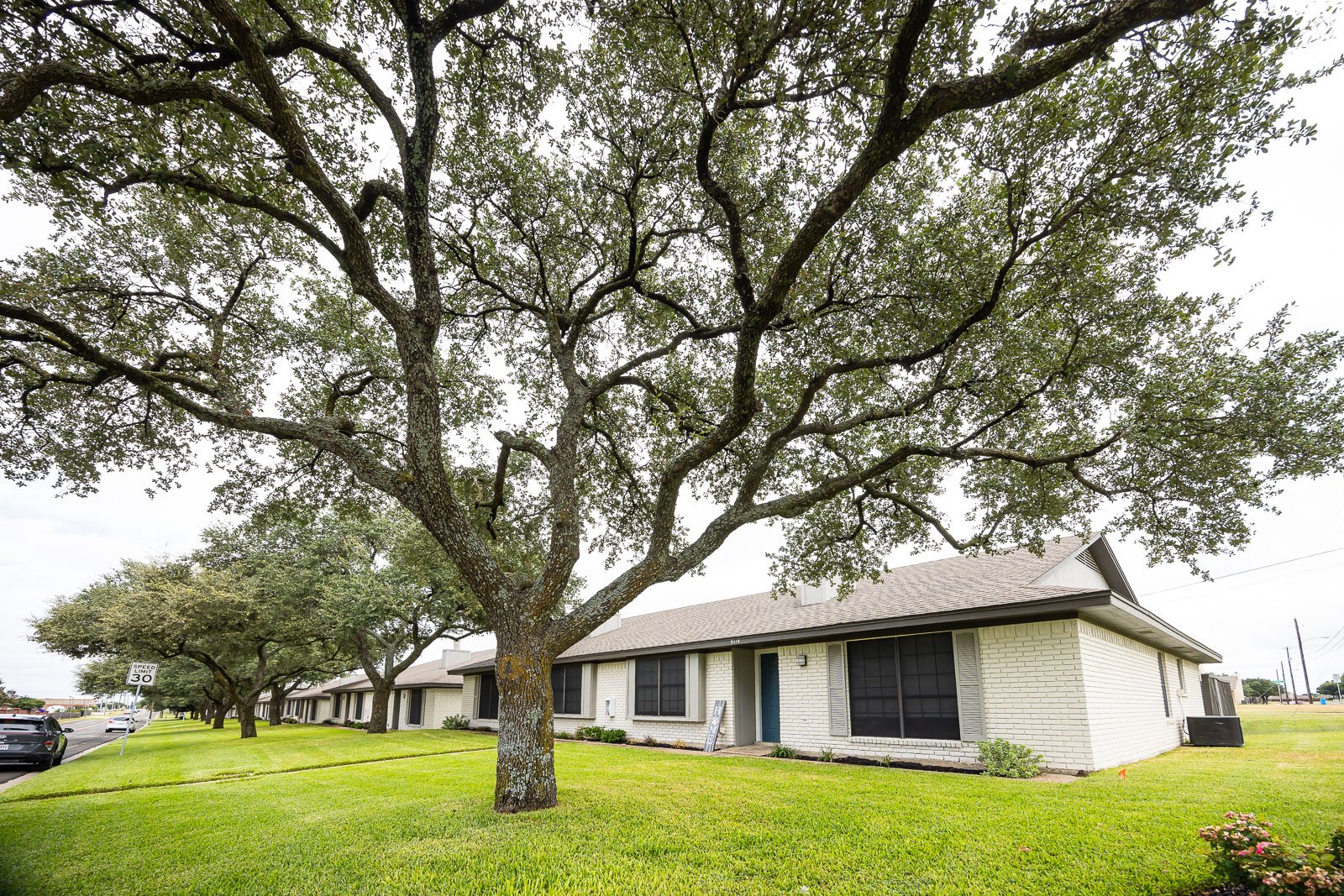
Whether your property is home to stately live oaks or eye-catching crape myrtles, the right tree care services in Waco can help them flourish, even in the extreme heat of Central Texas. In fact, working with a professional tree care expert in the Waco area is the best way to give your trees an opportunity to thrive.
From irrigation and regular maintenance to preventative pruning and soil care, Green Ackors has the experience and expertise to help your trees look great and live long in a harsh Texas environment. With 25 years of service in the Waco area, our team has the knowledge to keep your trees healthy and beautiful, even when the outdoors feels like an oven.
To learn more about how Green Ackors can help your trees endure the heat, feel free to reach out to us. We’d love to hear from you, discuss your landscaping needs, and create a personalized plan to help your property reach its full potential.