%20-%20copy.png)


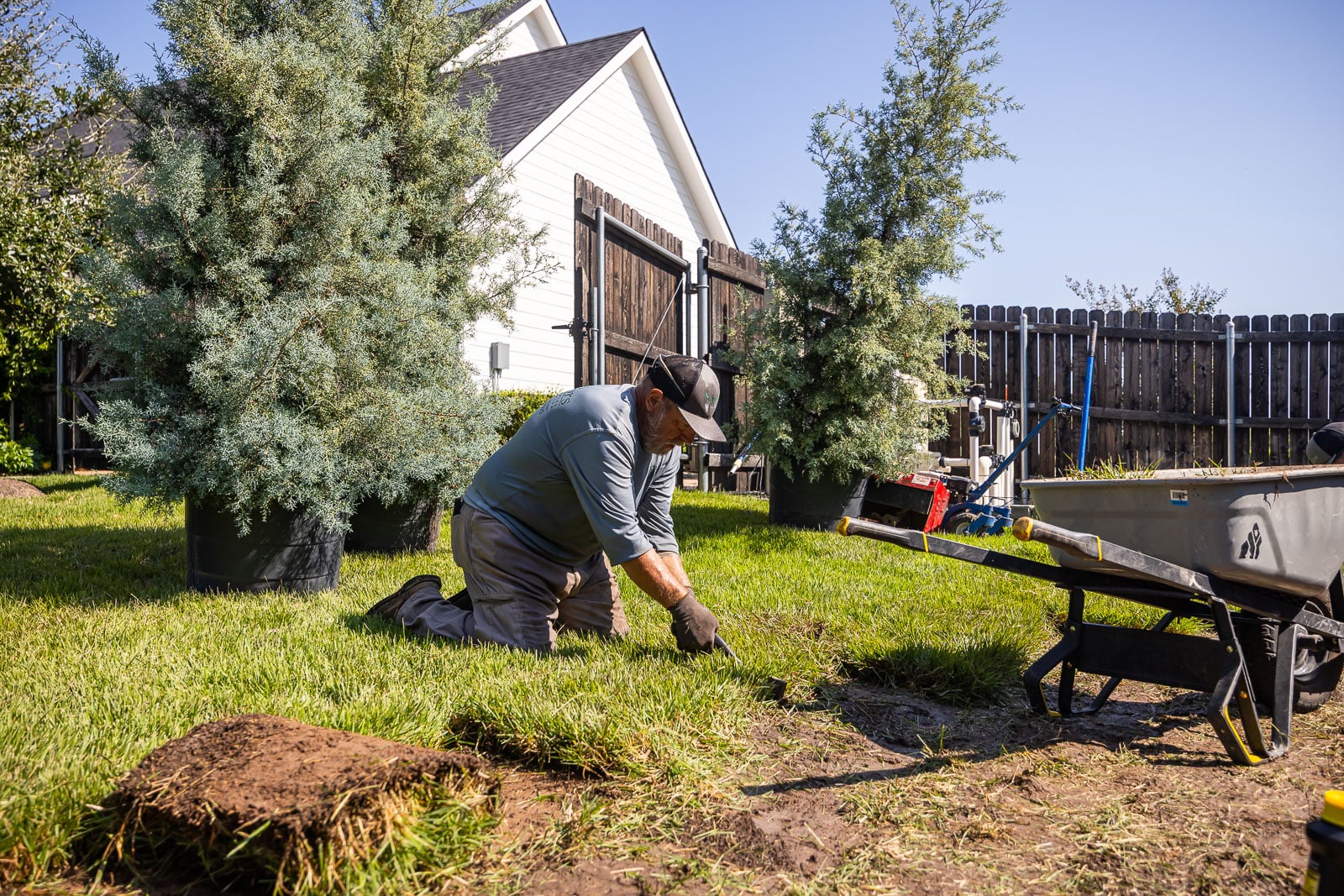
When you hear the term ‘winterizing’, it’s easy to wonder if you are missing something. Are you supposed to be cutting everything back? Draining your irrigation? Here in Central Texas, winter preparation looks different from what it does in colder climates, and that is where a lot of the confusion comes from.
Preparing your lawn and plants for winter here is all about staying attentive and making small adjustments as the weather changes. With our unpredictable weather, it is essential to monitor conditions, support plant and soil health however possible, and protect your landscape when necessary.
Let’s go through what winter preparation really looks like in Central Texas. We’ll cover when frost becomes a concern, how to support your plants and garden beds, and how to care for your lawn so you feel confident all-year round.

Why Winterizing Your Landscape in Central Texas Matters
Up north, winter tends to arrive more aggressively. Leaves drop quickly, snow is on its way, and landscapes are essentially put to bed for months. Here in Central Texas, though, our temperatures swing wildly, trees hold onto their leaves much longer, and irrigation systems are in use all year long. Because of that, winterizing here in Texas is not just about one big cleanup or a single checklist, but about ongoing maintenance and smart adjustments as our conditions change.
Preparing your lawn and plants for winter here is less about shutting everything down and more about protecting what you have invested in. Thoughtful winter care helps your turf recover faster in the spring, shields plants from sudden freezes, and reduces the stress on your plants caused by temperature fluctuations.

When to Worry About Protecting Plants from Frost in Texas
One of the trickiest parts of caring for your landscape in Central Texas is knowing when frost may actually be a concern. There is no clearly defined frost season that tends to start and end on predictable dates. In general, Central Texas may begin to see frost sometime between late November and early January, with the greatest risk falling between January and February. But even these windows are not guarantees. Some years bring an early cold snap followed by weeks of mild weather, while others stay warm well into winter before a sudden freeze appears.
Because frost events are often brief and inconsistent, many plants are not in danger all winter long. A single cold night can be far more damaging than several weeks of cooler, steady temperatures. This is where partnering with a professional can make a very meaningful difference for your landscape. Experienced landscape teams are not just reacting to temperatures after the fact. They are watching forecasts, tracking patterns, and paying close attention to cold fronts. They can help you understand when to be concerned, rather than worrying all winter long or reacting after the fact.
Tips for Winter Garden Preparation in Texas
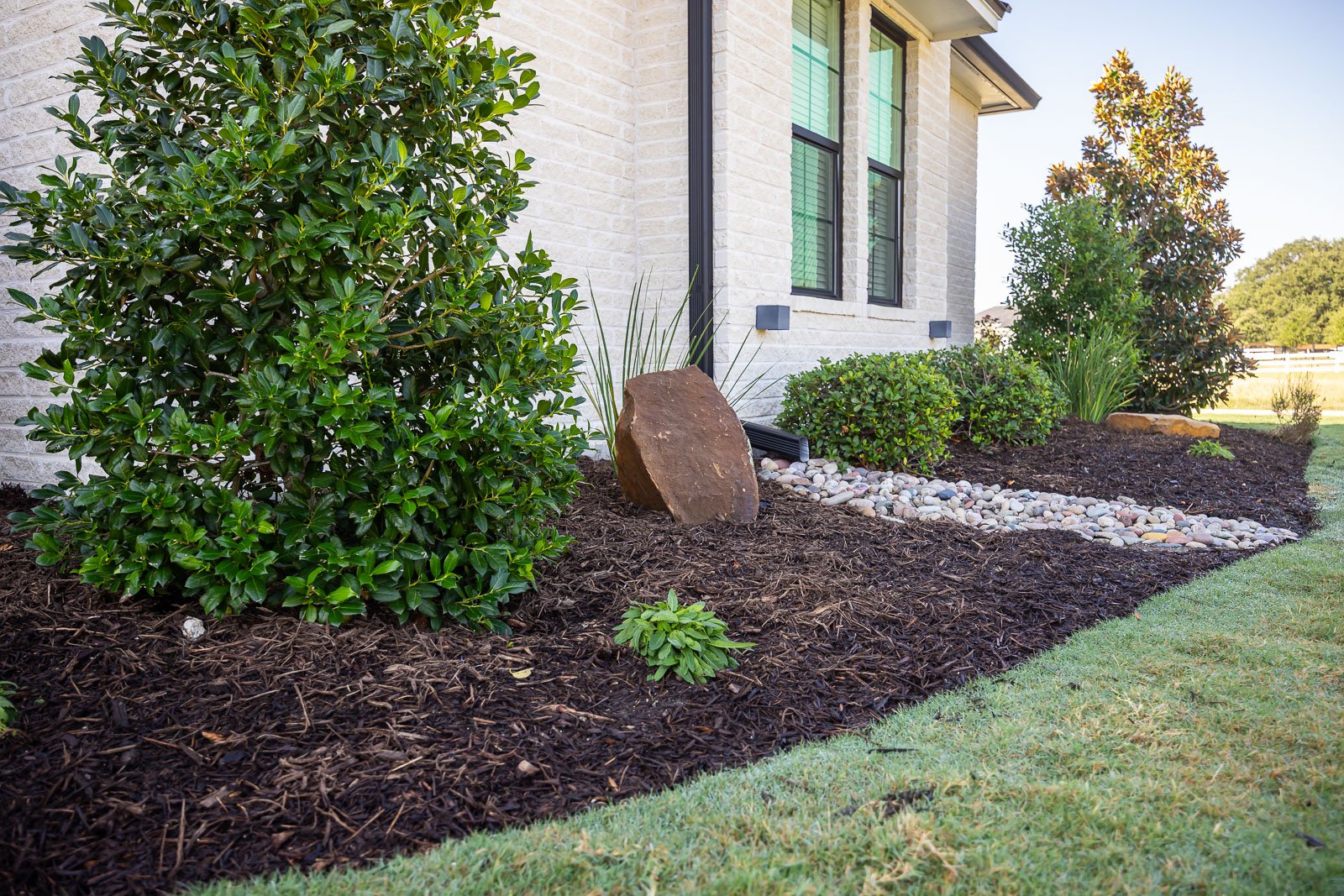
Once winter weather starts to feel possible, typically between November 1 and April 1, the focus for your landscape should shift to protection, flexibility, and plant health. Here are a few key tips for your plantings during the winter months:
1. Water before a hard freeze. Cold alone can stress plants, but cold and dry conditions are far worse. Well-hydrated plants are better insulated from temperature drops and recover more easily after a freeze. The goal isn’t to leave plants soaked or icy, but to ensure the soil has adequate moisture going into cold weather.
2. Cover plants when a hard freeze is expected. Plant blankets can be used selectively to shield extra vulnerable species, especially those that are younger or not cold-hardy. These protections should be short-term, used only during freeze events, not all season long. You can also install a fresh layer of mulch if a cold snap is expected to help insulate your plantings.
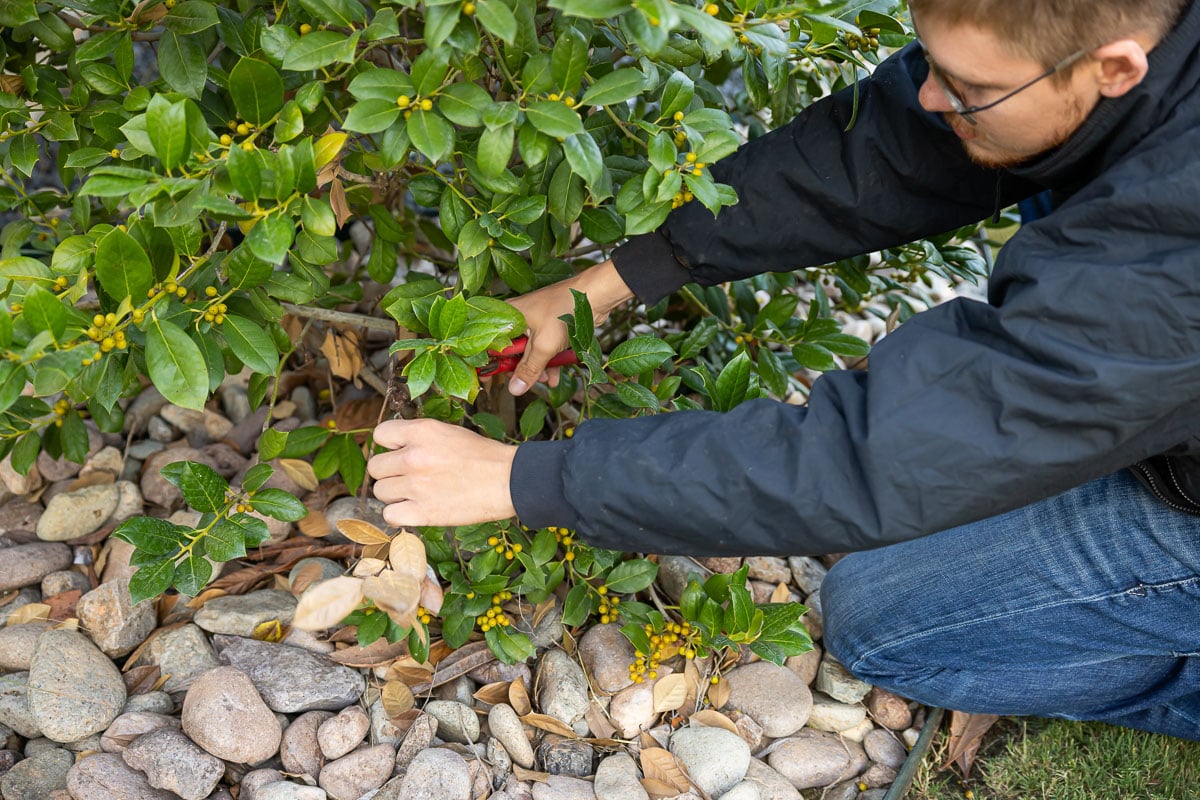
3. Cutback plants as needed. Perennial plants naturally begin to phase out at different times, and how they are handled can depend on both the plant type and your personal preference. Some perennials benefit from being cut back as they go dormant, while others are better left intact until early spring when new growth starts popping up. Here in Texas, we have the freedom to let most of our cutbacks be your preference.
4. Care for your potted plants. Because containers do not have the insulation of in-ground soil, they are more vulnerable to cold damage. When a freeze is forecasted, bring pots indoors or into a protected area to help prevent unnecessary stress. Once temperatures rebound, you can move them back outside to enjoy the milder winter days.
Winter Lawn Care Tips for Central Texas
When it comes to preparing your lawn for winter in Central Texas, the goal is not just shut things down, but to keep turf healthy and stable. Our winters are often sunny, dry, and warm enough to support active lawns, even when growth starts to slow. Check out these winter lawn care tips:
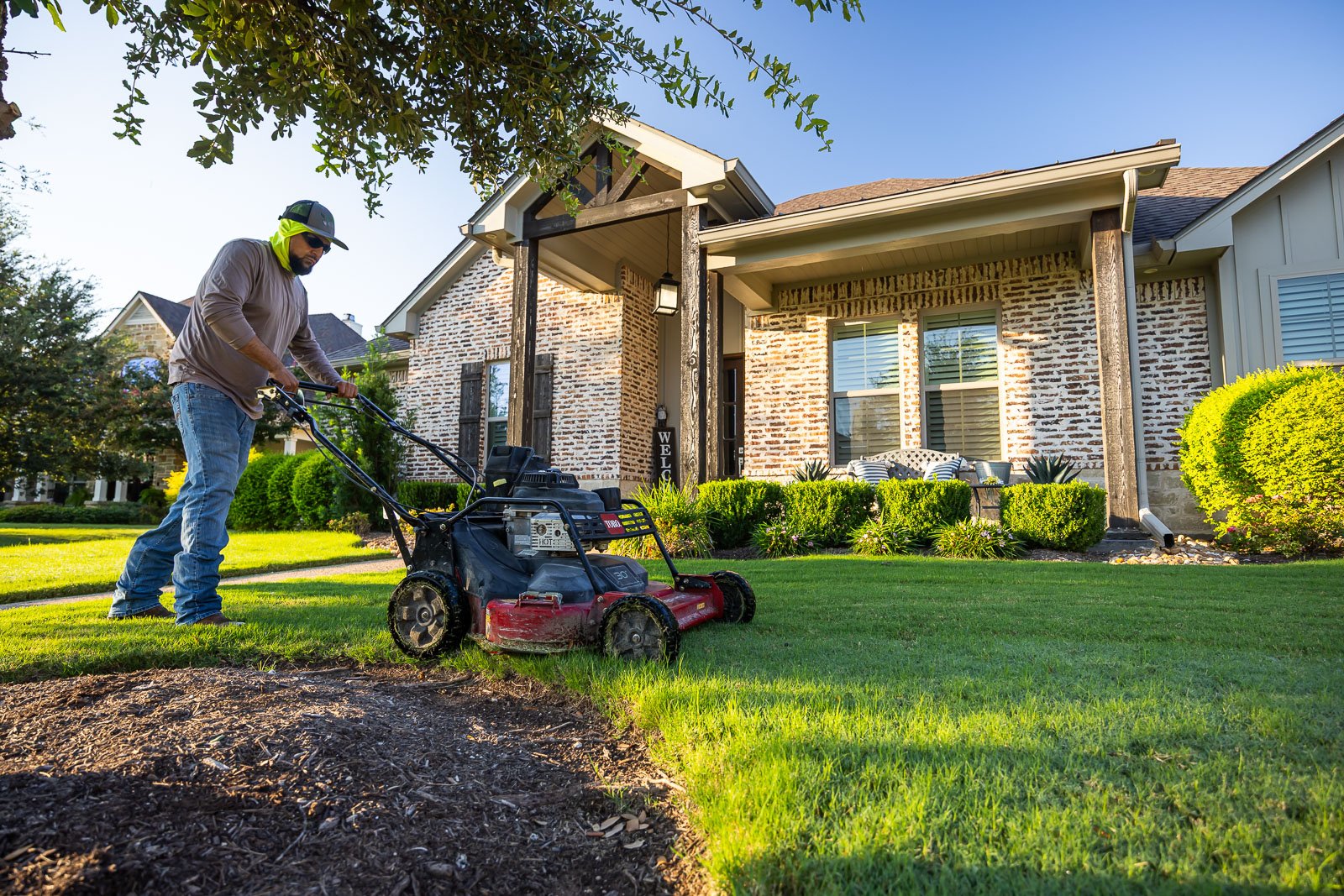
1. Decrease your mowing frequency. As Bermuda and St. Augustine grass types typically stop active growth, mowing bi-weekly is still beneficial. As leaves continue to fall, mowing and bagging tend to be healthier for your lawn than just raking or blowing leaves.
2. Hold off on fertilization. Winterizer applications are typically applied in September, supplying nutrients that support root health and including pre-emergent protection to help prevent winter weeds. After that, fertilization should pause and resume in March, when turf actively begins growing again.
3. Don’t turn off your irrigation. Irrigation is one of the most misunderstood aspects of winter lawn care here in Central Texas. While some regions fully winterize and shut systems down, that often is just not practical here. It is not uncommon for us to go 10 days or more without meaningful rainfall. Lawns still need water, and your irrigation system will need to run with these dry conditions. A good general rule is to plan for about once-a-week watering during dry stretches. Watering should happen in the early morning, with a deeper soak preferred over short, frequent cycles.
4. Monitor the weather closely. If a freeze is predicted, irrigation schedules may need to be adjusted temporarily ot avoid potential damage.
Partnering with Green Ackors for Year-Round Lawn and Plant Health Care Services in Waco, TX
Winter in Central Texas can sometimes feel like a moving target. Shifting between weather patterns, surprise cold snaps, and already full schedules, keeping up with your lawn and plants can quickly become one more thing competing for your attention. That’s where partnering with Green Ackors can make all the difference.
With year-round professional plant and lawn care, you don’t have to constantly watch the forecast or second-guess what your landscape needs next. Our team is already monitoring conditions, adjusting irrigation as needed, and timing seasonal services to protect your landscape through winter and beyond. Winter doesn’t have to be a season of worry for your yard.

Need some help caring for your landscape through the seasons? Get started by filling out our contact form.