%20-%20copy.png)


If you live or manage property in Waco, we're sharing something right here, right now that you probably already know: landscaping in Central Texas is not passive.
Between our triple-digit August heat, hectic spring storm season, clay-heavy soils, and unpredictable drought restrictions, you know that your landscape either gets healthy proactive care or it shows that it doesn't.
It's our pleasure and mission to work with both homeowners across Waco neighborhoods and commercial property managers throughout Central Texas to ensure proactive, preemptive landscape maintenance.
And while the core principles of maintenance always stay consistent, the way those schedules are structured, monitored, and prioritized can look different depending on your property type.
In this blog, we're breaking down the real differences between commercial landscape maintenance in Central Texas and residential landscape maintenance schedules. We'll also explain what drives those differences and show how our team at Green Ackors customizes plans for both types of clients.
Table of Contents: What You'll Find Inside This Blog
- What Landscape Maintenance Means in Central Texas
- Commercial vs Residential Landscaping: What’s Actually Different?
- Landscape Maintenance Frequency: How Schedules Compare
- Irrigation Audits & Water Management in Waco’s Climate
- Seasonal Enhancements: Mulch & Color Installs
- Unique Priorities: Appearance, Safety, Usage & Budget
- Why Customization Matters in Central Texas
- How Green Ackors Structures Maintenance in Waco
- FAQ: Landscape Maintenance in Waco & Central Texas
What Landscape Maintenance Really Means in Central Texas
Before we compare schedules, it’s important to define what we mean by professional landscape maintenance in the first place. In areas like Waco (and our surrounding communities like Woodway, Hewitt, Robinson, China Spring, and Lorena), maintenance looks and feels different than other parts of Texas.
When we talk about landscape maintenance in Central Texas, we're essentially saying that maintenance typically includes:
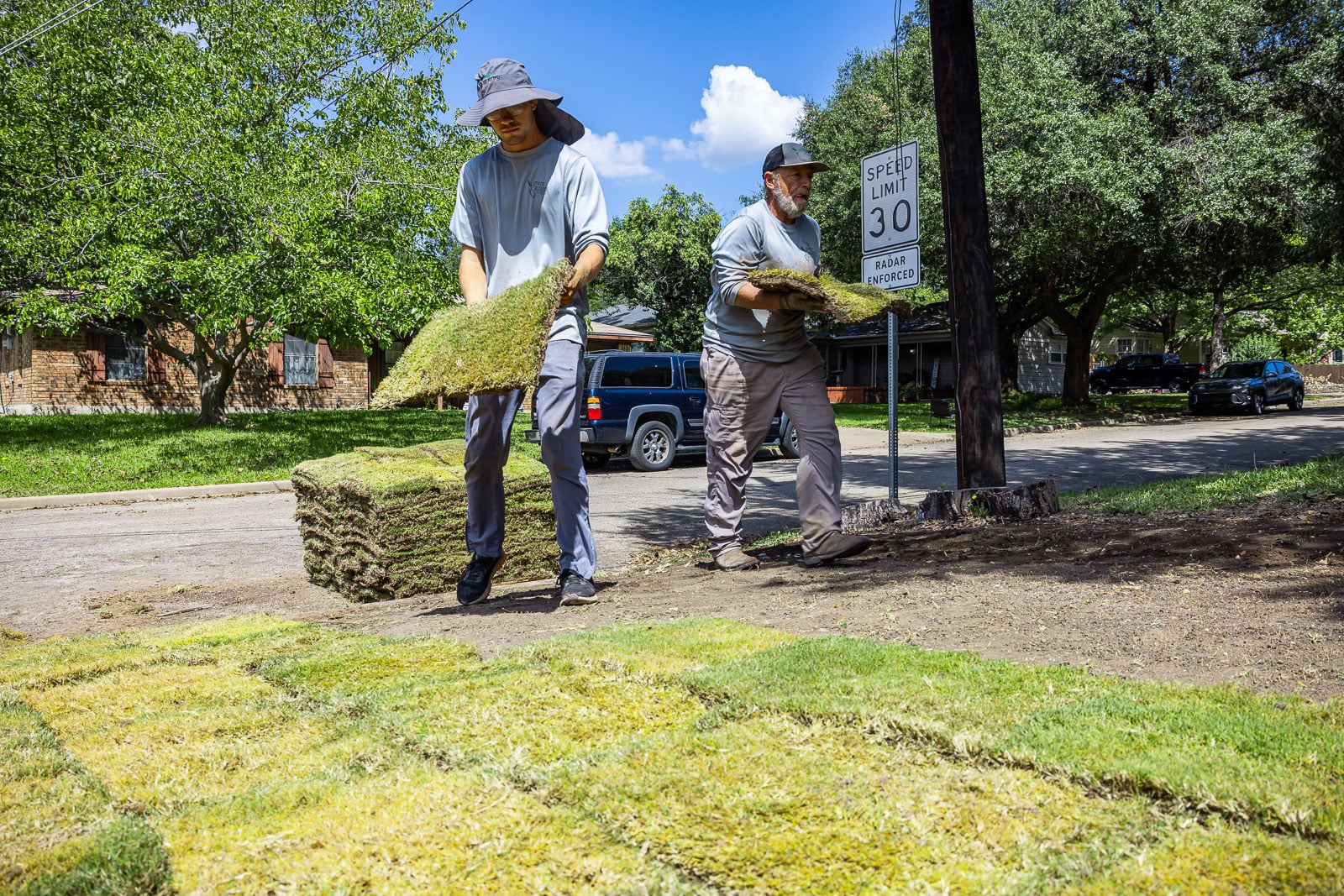
- Mowing and turf management
- Edging and line trimming
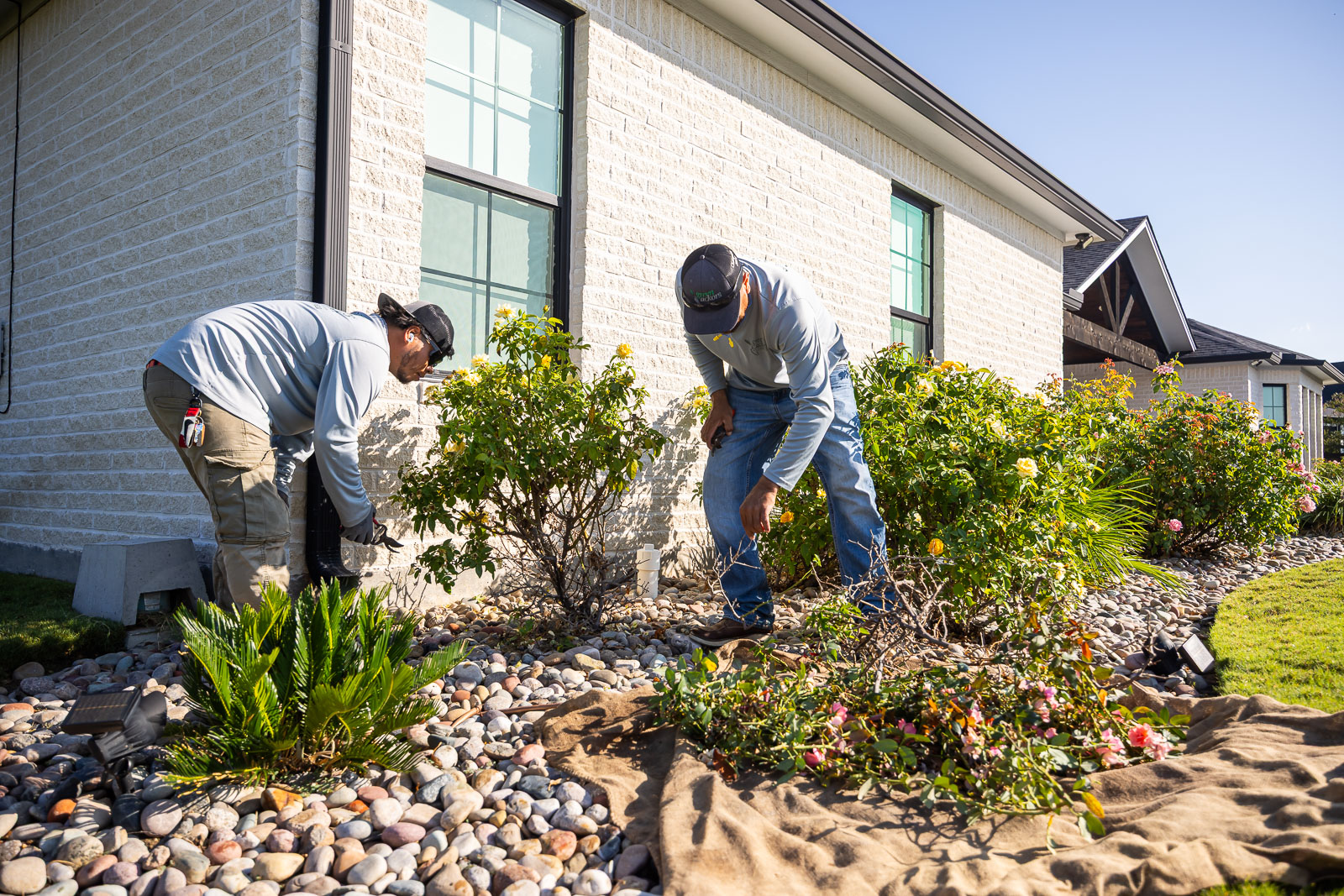
- Bed maintenance and weed control
- Shrub and tree pruning
- Irrigation monitoring and adjustments
- Fertilization and turf health treatments
- Seasonal cleanups
- Mulch refresh
- Seasonal color installations (for some properties)
Because of our long growing season (usually February through November with a few hiccups here and there) and the intensity of summer heat, landscape maintenance frequency here must be consistent.
Skip a few weeks in May, and the St. Augustine explodes. Miss irrigation issues in July, and you’re looking at stressed turf fast.
The difference between commercial and residential maintenance isn’t whether service happens; in fact, it’s all about how often certain services are audited, how enhancements are structured, and what the property is expected to communicate.

Commercial vs Residential Landscaping: What’s Actually Different?
There’s a common assumption that commercial landscaping is completely different from residential (and not just from a cost perspective).
In reality, the foundational services are very similar – but the scope is much different. And while no two properties are the same, the bigger distinction between the types of landscape is mostly in oversight, enhancements, and presentation standards.
When talking with Barry Marusak (our VP of Sales and Marketing the other day), he reminded us that, for the most part, scopes and schedules don’t vary that much from residential to commercial maintenance.
"I would say the bigger difference would be the additional irrigation audits we do on commercial vs. residential," he said. "We check most of our commercial properties quarterly. Our residential accounts currently get Spring and Fall audits. Commercial maintenance accounts typically will have mulch refresh and seasonal color installs included in their packages.”
That insight is important to understand.
When people search for commercial vs residential landscaping, they often expect dramatic differences.
But in Waco, the climate doesn’t change based on property type. What changes is the level of monitoring, presentation requirements, and package inclusions for the size and scope of the property.
Landscape Maintenance Frequency: How Schedules Compare
Residential Landscape Maintenance Schedules
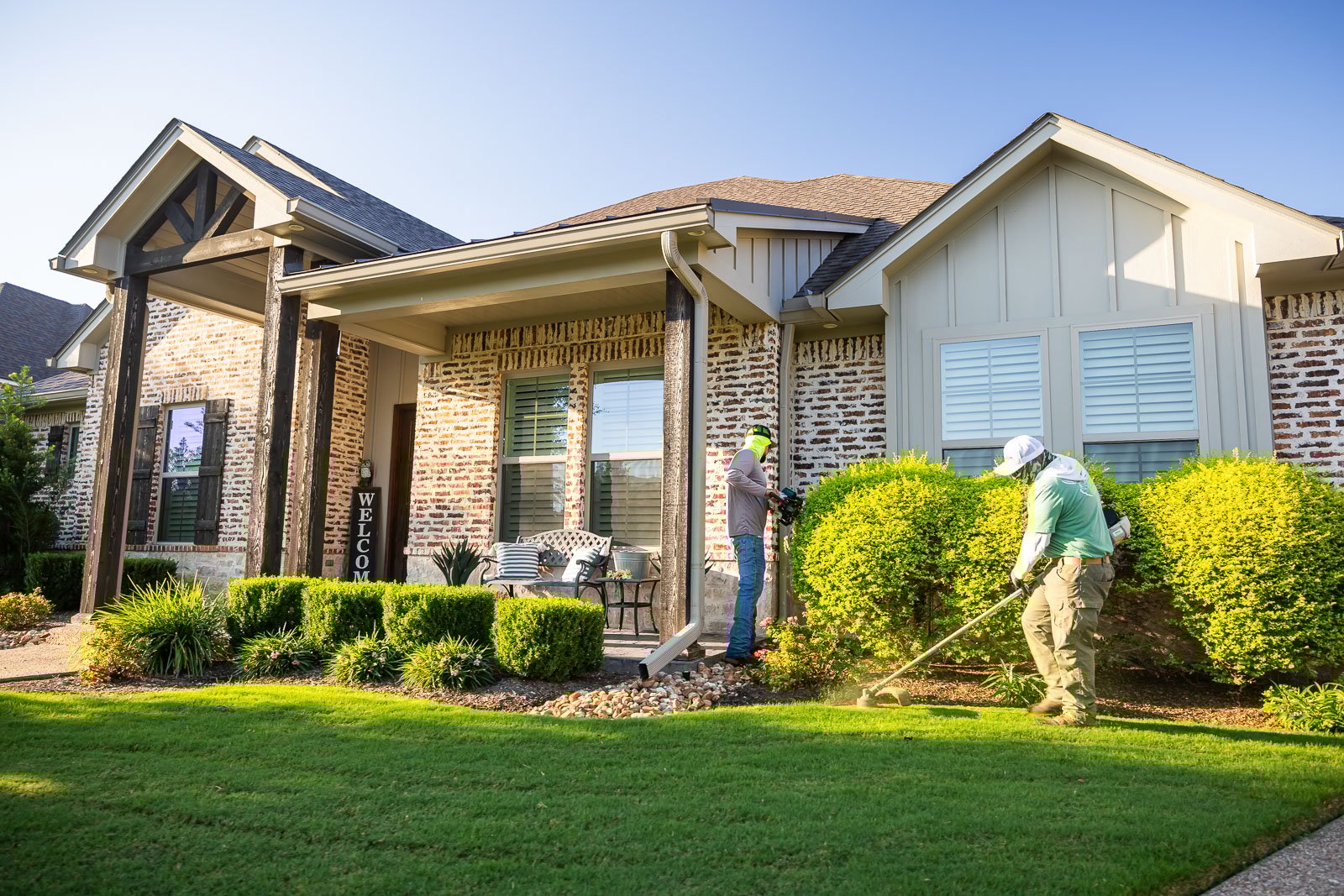
Let's think about suburban homeowners in Waco, Hewitt, or Woodway. For most, the main goals for maintenance are upkeep, consistency, and a constant state of curb appeal.
When we think about that scope (remembering that all properties are different), we can guesstimate that a typical residential lawn care Central Texas schedule might include:
- Weekly mowing during peak growing season (March-October)
- Biweekly mowing during the slower winter months
- Bed maintenance on a regular rotation
- Spring and Fall irrigation audits
- Seasonal fertilization programs
- Occasional pruning and cleanup
Homeowners want their lawns healthy and clean, but they don’t usually need quarterly irrigation reporting or ongoing seasonal flower rotations. That's not always true of every client, but it does seem to be a general rule.
The goal of this kind of maintenance is simple: dependable service that protects turf health and keeps the property looking sharp without overcomplicating the plan.
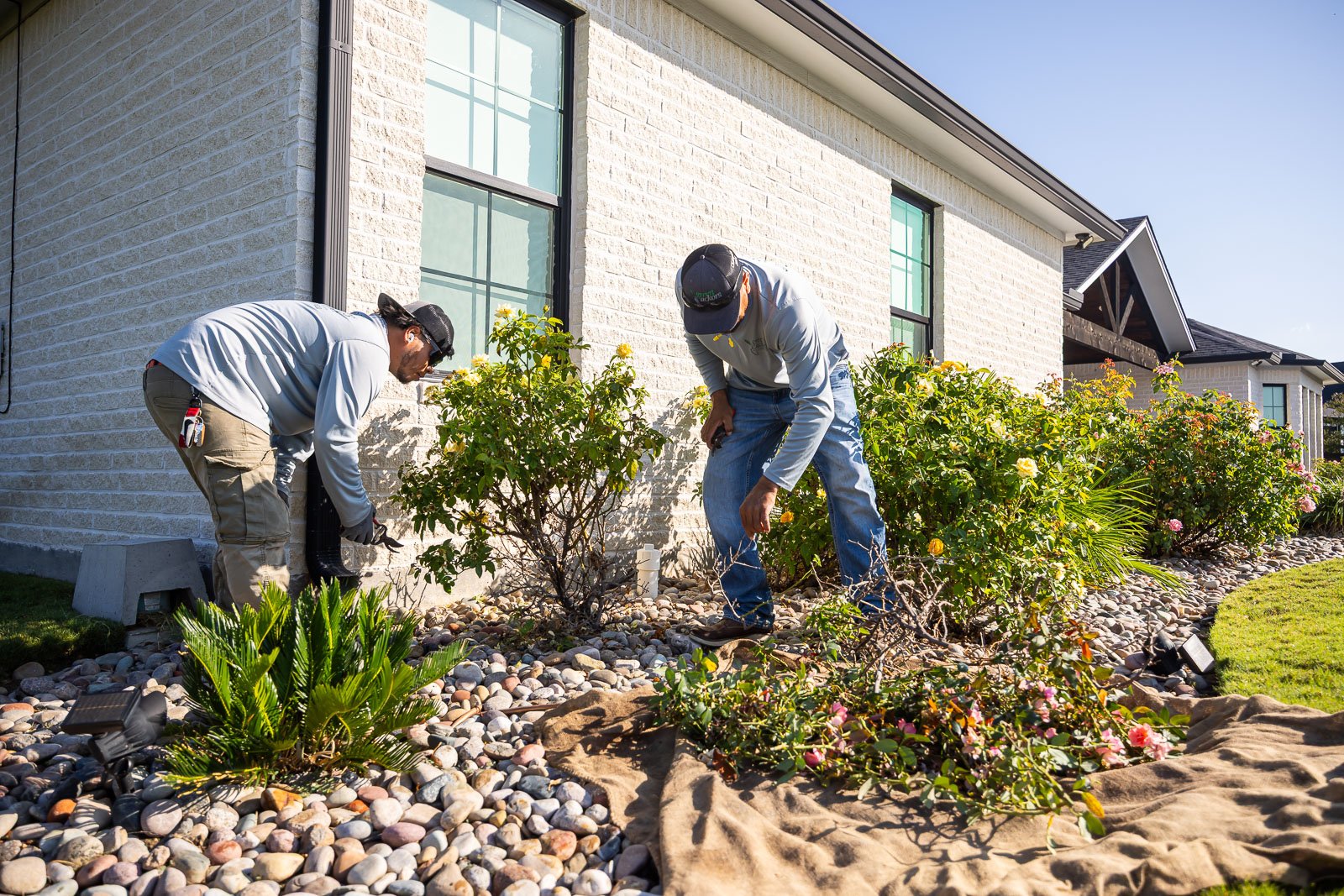
Commercial Landscape Maintenance in Central Texas
Now, let's compare that to a commercial property near the business corridors along Highway 84, downtown Waco near the Brazos River, or retail centers off Valley Mills Drive.
Every property and client is different, but most commercial properties often require:
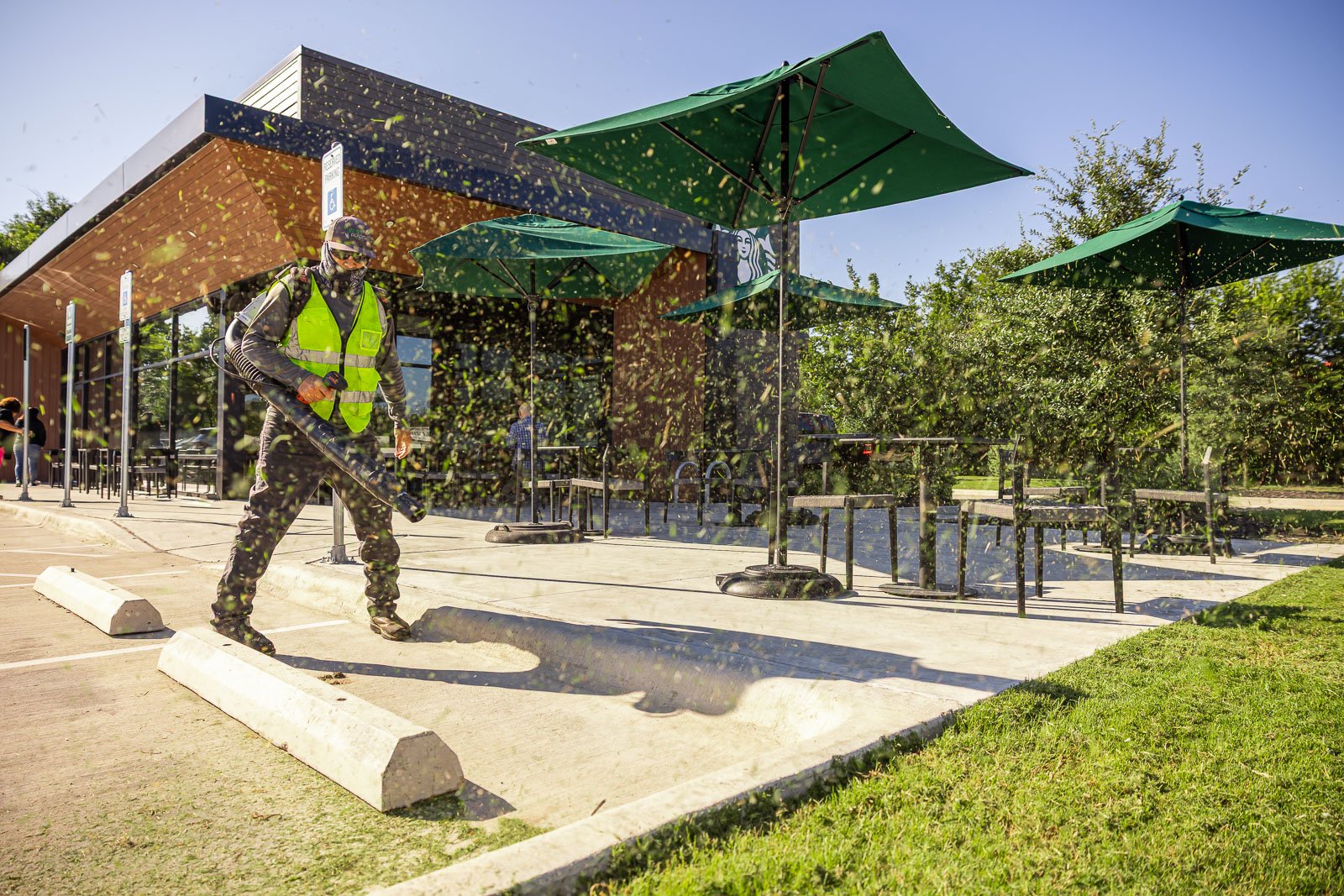
- Strict weekly mowing and edging
- Higher detail standards at entrances and signage areas
- Quarterly irrigation audits
- Scheduled mulch refresh
- Seasonal color installations
- Documentation and communication with property managers or HOAs
Though some of the maintenance schedules might have overlapping services with residential, the expectations, scope, and needs are often much greater.
Commercial properties represent brands, businesses, tenants, and boards. They experience higher foot traffic and are constantly under public view, so there’s less room for inconsistency or gaps in polished care.

Irrigation Audits & Water Management – A Must in Waco’s Climate
Irrigation audits are where one of the clearest differences shows up.
You already know this, but Waco summers are no joke. When temperatures hit 105° in July and August, irrigation systems become mission-critical. Clay soils common in our lovely Central Texas can compact easily, and overwatering can be just as damaging as underwatering.
For our commercial properties, Green Ackors conducts quarterly irrigation audits.
Why? Well, for a few main reasons:
- Larger systems mean more potential failure points
- Higher water usage demands closer monitoring
- Municipal visibility requires responsible water management
- Budget oversight often requires documented inspections
Residential accounts typically receive Spring and Fall audits, ensuring systems are properly calibrated heading into peak growth and before winter dormancy. But commercial properties often need more frequent irrigation checks to make sure everything is running smoothly.
This proactive monitoring protects both turf health and water budgets, which is especially important in years when drought restrictions tighten across McLennan County.
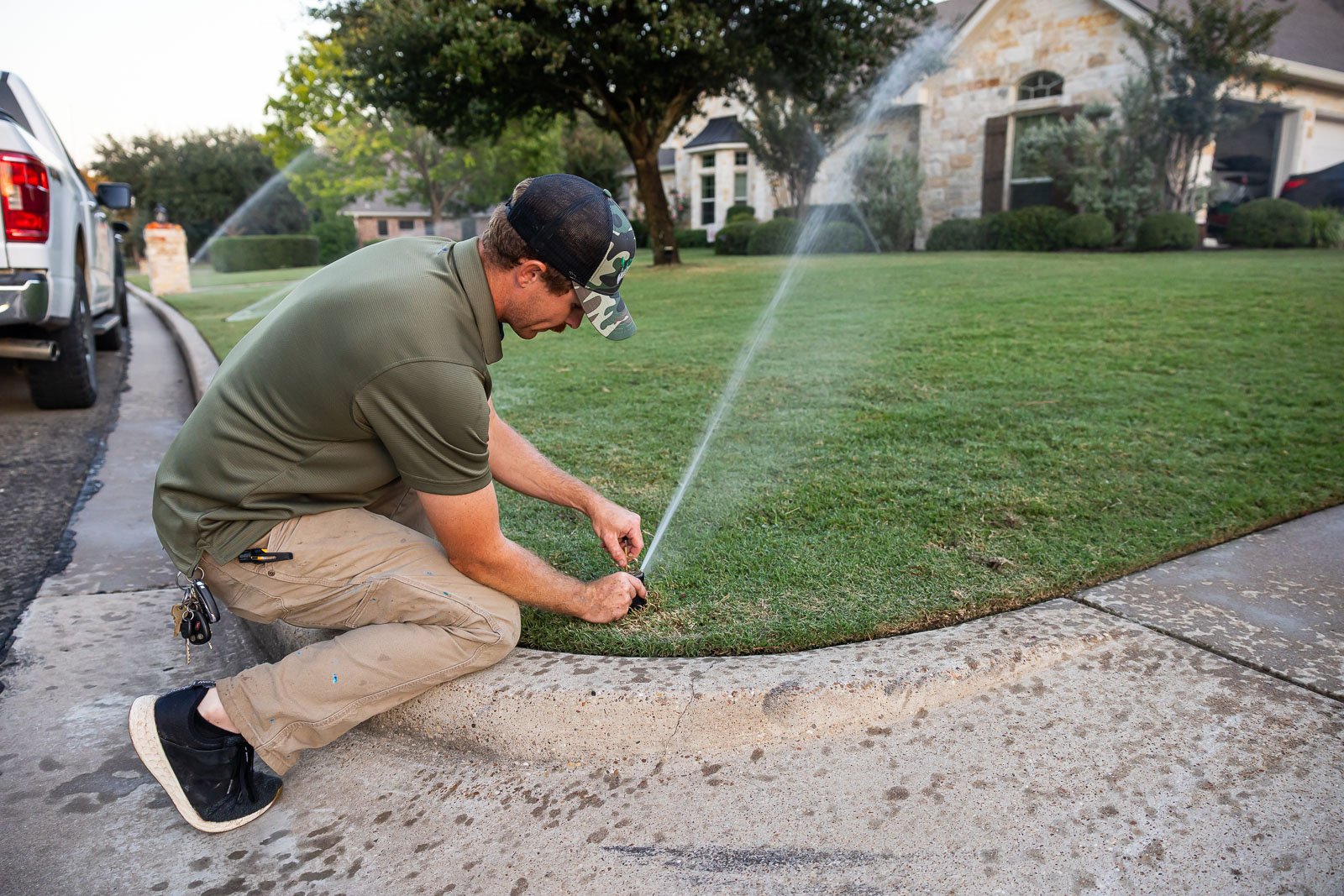
Commercial Seasonal Enhancements: Mulch & Color Installations
If you drive through Waco’s retail centers in early spring, you’ll notice something: fresh mulch and vibrant seasonal color. If you're working with us, that’s intentional.
Commercial maintenance packages typically include scheduled mulch refreshes, seasonal cleanup, and rotational seasonal flower installations
These enhancements do a lot for commercial properties, but particularly they:
- Keep properties looking polished
- Protect plant root systems from heat
- Help suppress weeds
- Elevate first impressions
Residential properties may opt into these services, but they’re not always built into standard packages for maintenance. For commercial landscaping needs, though, enhancements are often part of the baseline maintenance expectation.
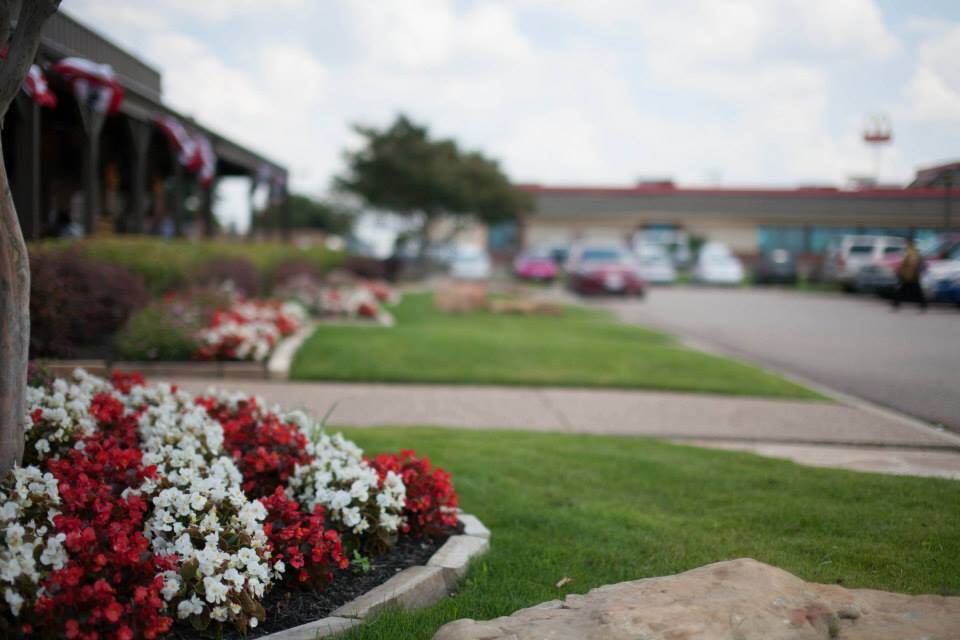
Unique Priorities to Consider for Landscape Maintenance: Appearance, Safety, Usage & Budget
When you compare commercial vs residential landscaping in Central Texas, the services on paper can look surprisingly similar.
Turf still needs mowing. Beds still need weeding. Shrubs still need pruning. Irrigation still needs monitoring.
But once you zoom out and look at how those landscapes function in real life across Waco and the surrounding communities, the differences start to show.
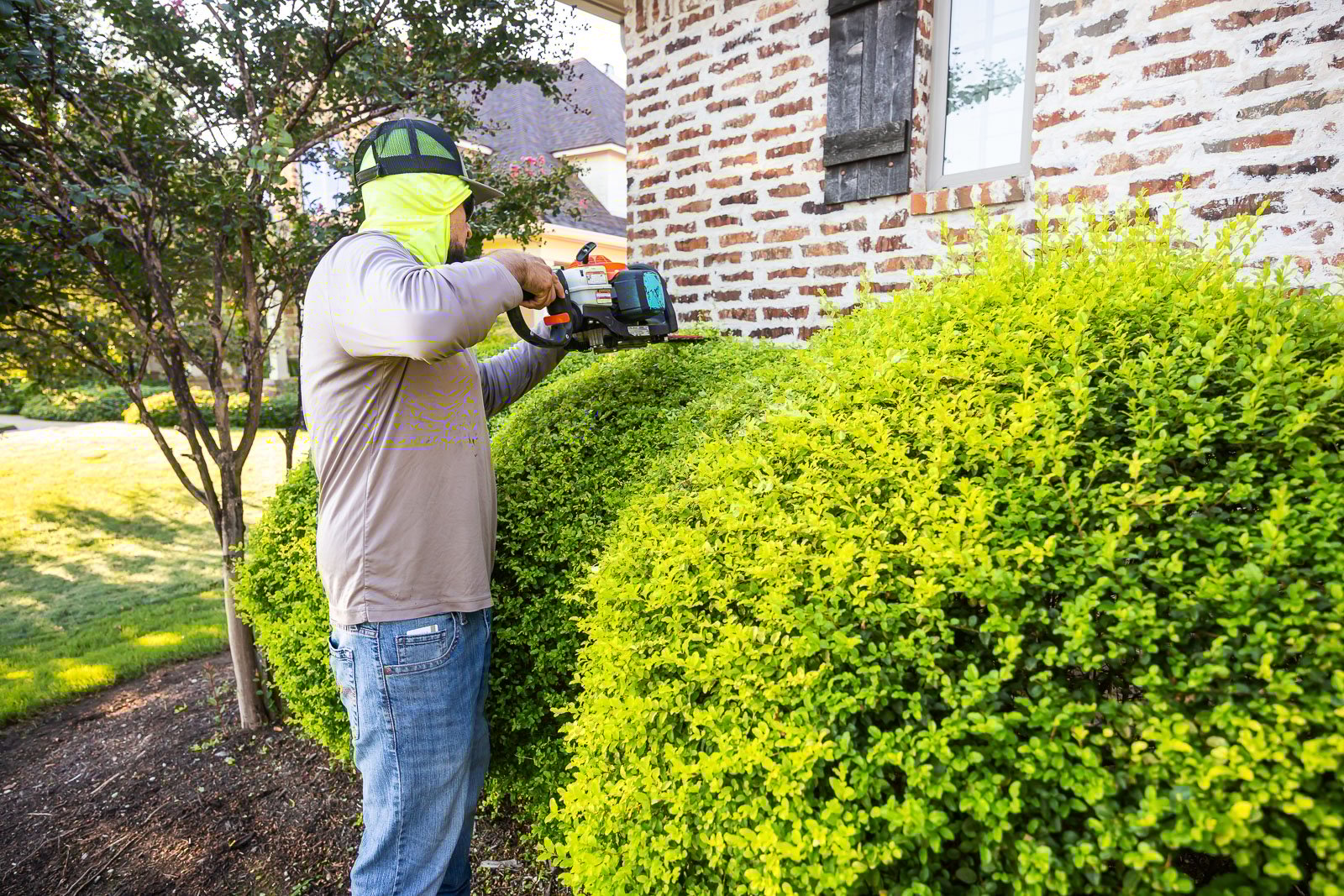
A front yard in Hewitt serves a family, while a medical office off Highway 6 serves hundreds of visitors a week. A neighborhood in Woodway values curb appeal, while an HOA managing multiple entrances and common areas must protect property values for dozens of homeowners at once.
The core services may stay consistent, but priorities, presentation standards, oversight, safety, and accountability change. Here are a few factors that impact the differences:
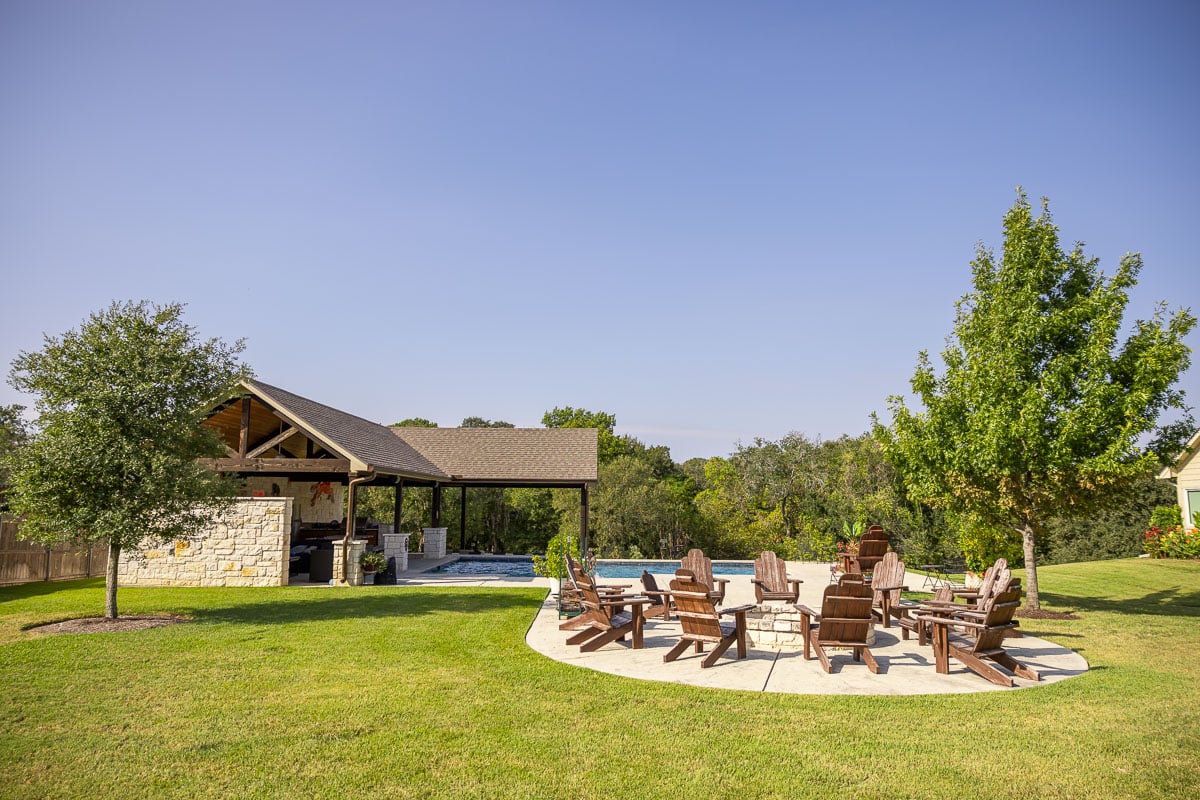
The Appearance Factor
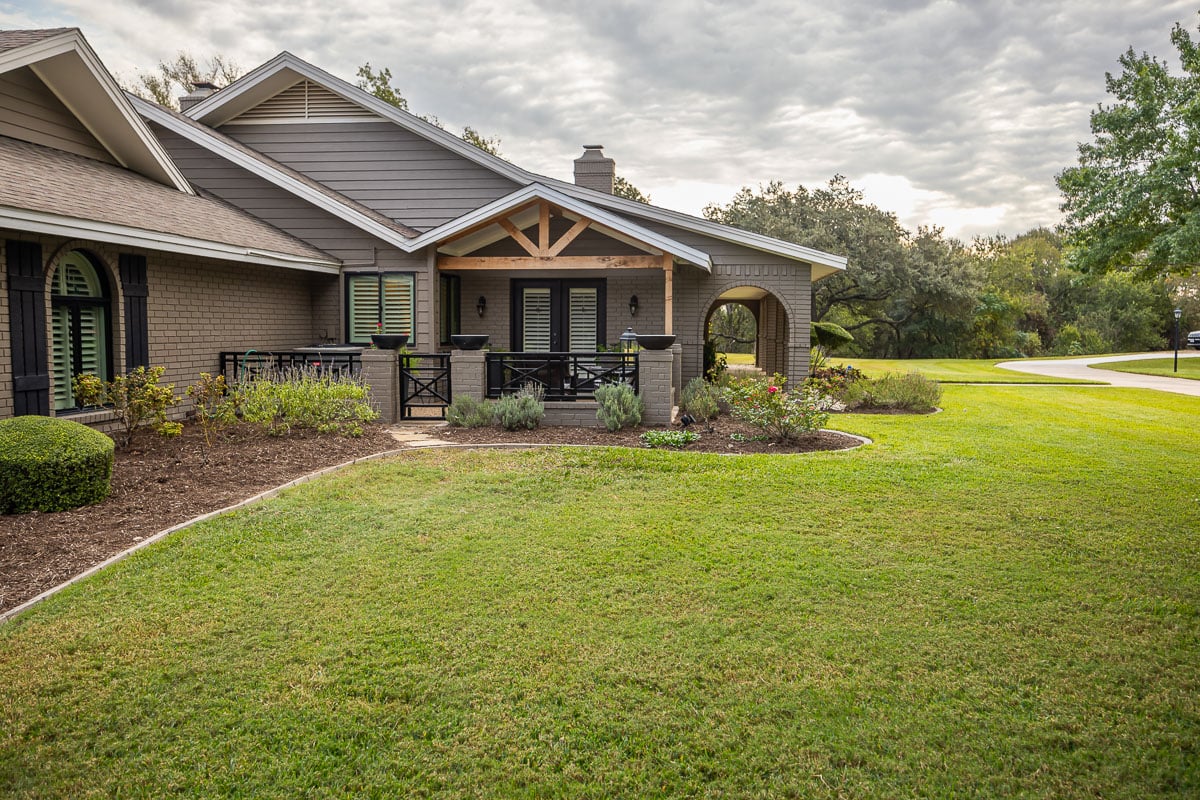
In residential neighborhoods, appearance is about pride of ownership. Homeowners want their lawns cleanly edged before the weekend, their beds weed-free, and their shrubs neatly shaped so the house feels cared for. It’s about pulling into your driveway after work and feeling good about what you see. It’s also about keeping up with neighborhood standards—especially in HOA communities where curb appeal matters for property values.
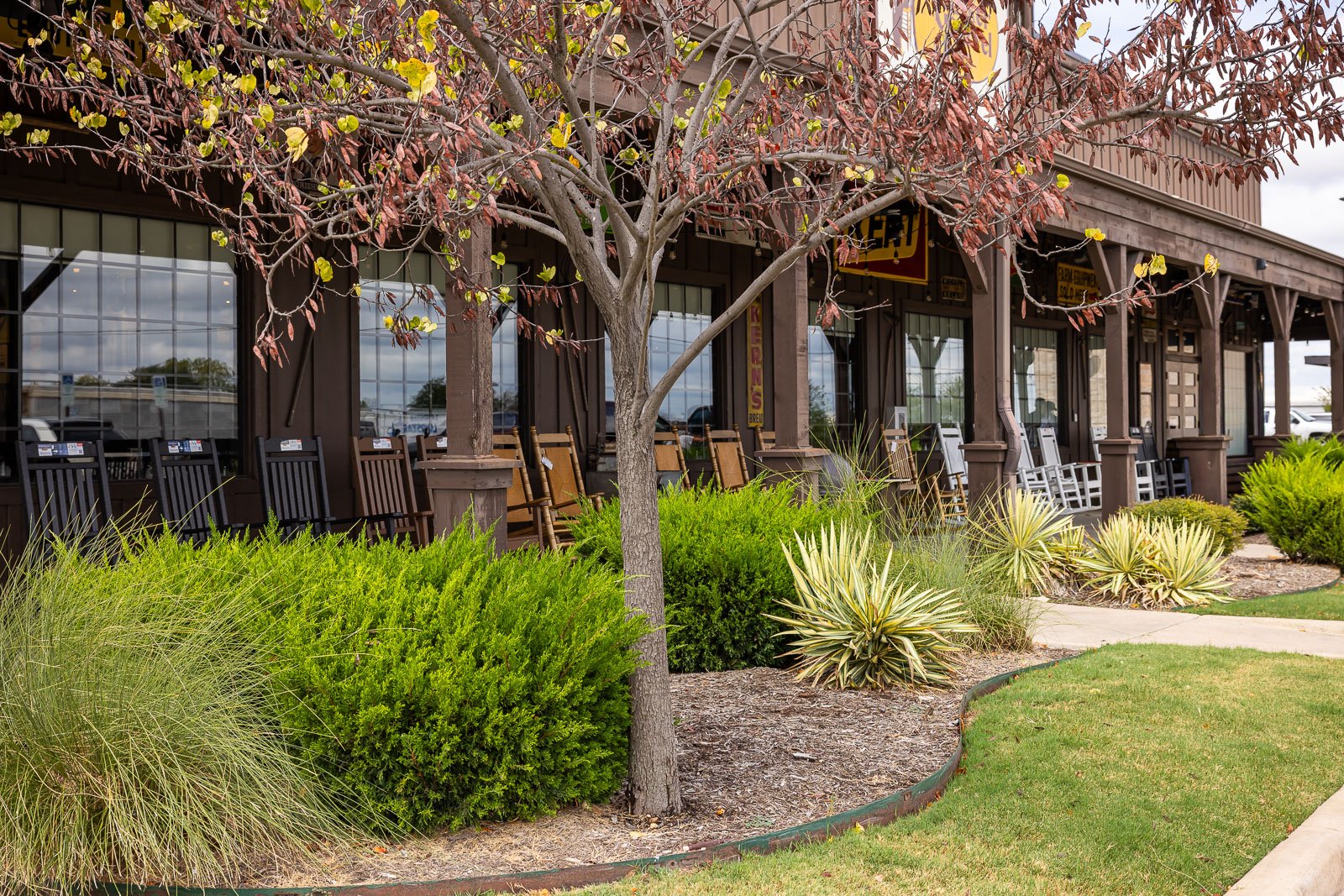
Commercial properties in Waco operate under a different kind of pressure – it's about maintaining a lawn and a brand. Landscape presentation directly influences first impressions. Tenants want to feel confident bringing clients on-site. Customers notice whether beds are freshly mulched or if seasonal color is installed intentionally. There’s less room for inconsistency because the landscape reflects professionalism.
The Safety Factor
For homeowners, safety tends to be personal and practical. You don’t want overgrown shrubs blocking your walkway lights. You don’t want uneven turf where kids run or pets play. Maintenance helps prevent minor hazards and keeps the yard functional for everyday life.
Commercial and HOA properties, however, carry a different level of liability. Overgrown hedges that block sightlines at parking lot exits, tree limbs hanging too low over sidewalks, or irrigation overspray creating slick concrete surfaces can quickly become safety issues. In high-traffic areas, maintenance frequency becomes a risk management strategy.
The Usage Factor
Residential lawns are lived in differently. A backyard in Robinson or Lorena might host family gatherings, dogs, or kids playing after school. Turf wear patterns are concentrated in certain areas, and maintenance can be adjusted around lifestyle. If there’s a birthday party coming up, a homeowner might request a fresh mow or cleanup beforehand, but the space is flexible and personal.
Commercial landscapes are more predictable in one way and more demanding in another. They see consistent daily traffic. Entryways, monument signs, parking lot islands, and main sidewalks endure constant exposure. There’s no “off week” where the property can look slightly unkempt.
The Budget Factor
Typically, a residential maintenance landscape schedule is a personal investment choice. Homeowners weigh consistency, convenience, and property value. They may add services seasonally, like mulch refresh in spring or extra pruning before summer – but flexibility is common. The budget is household-driven and often adjusts year to year.
Commercial properties operate on planned budgets approved annually. Property managers and HOAs need defined scopes and predictable pricing. That’s why commercial maintenance agreements often bundle services like quarterly irrigation audits, mulch refreshes, and seasonal color installs into structured packages.
Why Customization Matters for Your Central Texas Landscape Maintenance
Just like everywhere else, Central Texas landscapes don’t always thrive when they're working on a one-size-fits-all template.
Even within the bounds of Waco itself, a downtown property along Austin Avenue faces different environmental pressures than a suburban home in China Spring.
That’s why customized landscape maintenance schedules and services matter so much.
We don't create dramatically different core scopes for residential versus commercial, but we customize the oversight, audit frequency, and suggest enhancements based on your property's specific needs.
It’s about adjusting the strategy without reinventing the fundamentals.
How We Approach Landscape Maintenance in Waco
We've built our maintenance philosophy around a few key things: proactive irrigation monitoring, consistent mowing and bed care, seasonal awareness, enhancement planning, and clear communication.
Those core values don't change, no matter what type of client we work with. But how execute – and the scope to which we execute – those services does change based on the property type.
For commercial clients, that may mean:
- Quarterly irrigation audits
- Built-in mulch refresh
- Seasonal color installations
- Professional reporting
For residential clients, that may mean:
- Spring and Fall irrigation audits
- Reliable mowing schedules
- Seasonal turf health focus
- Flexible enhancement options
No matter what, our goal is simply to create and maintain healthy landscapes that perform in Waco’s climate (without any surprises).
FAQs: Commercial & Residential Landscape Maintenance in Waco
How often should lawns be mowed in Central Texas?
During peak growing season (spring through early fall), weekly mowing is standard. Winter schedules often shift to biweekly depending on turf type and growth rate.
What is the difference between commercial and residential landscape maintenance?
The core services are often similar, but commercial properties typically require:
- More frequent irrigation audits
- Built-in mulch and seasonal color
- Higher presentation standards
- Structured communication
Why are irrigation audits important in Waco?
Extreme summer heat and clay-heavy soils make proper watering critical. Irrigation audits ensure systems are calibrated correctly, prevent overwatering, and protect turf investment.
Does commercial landscape maintenance cost more?
Commercial properties are often larger and include additional services like quarterly irrigation audits and seasonal color installs, which can increase overall cost. They can also benefit from contract-based budgeting.
How do I know what maintenance frequency my property needs?
It's often totally custom, and it will depend on factors like turf type, property size, irrigation system complexity, foot traffic, and even aesthetic expectations. A professional evaluation from a trusted team (like ours) is the best starting point to get a handle on this.
The Bottom Line? Central Texas Landscapes Benefit From Professional Strategy
Whether you’re a homeowner wanting consistent curb appeal or a commercial property manager overseeing multiple sites in Waco, landscape maintenance can be strategic.
The difference between commercial and residential landscaping here isn’t about completely separate services. It’s about oversight, enhancements, and presentation standards.
At Green Ackors, we get that. With proactive irrigation audits, structured maintenance schedules, and tailored enhancement packages, we help both homeowners and commercial clients maintain healthy, polished landscapes they'll love.