%20-%20copy.png)


Even if you’re a homeowner who loves your yard, it’s likely you’ve stepped into the back before, looked around, and felt sort of … exposed. When you’re living in a residential area (like a neighborhood, for example), it can feel like your beloved backyard is sometimes on full display.
There are plenty of pros to living in a lovely community, but guaranteed privacy usually isn’t one of them.
And importantly, it might not even be your neighbor's fault. Maybe their second-story window is positioned to look straight into your patio. Maybe it’s not visual issues at all – maybe the steady stream of traffic noise from the road behind your house always manages to leak in.
Whatever it may be – visual issues, auditory issues, or even just something you can’t seem to put your finger on, your backyard deserves to feel like your backyard. Privacy included!
For Waco residents like yourself (or really, anywhere in the booming Central Texas area), you already know that a lot of yards come hand-in-hand with this type of challenge. And, of course, standard wood fencing can only do so much to keep you and your family secluded.
Our go-to solution for creating privacy when it feels like there simply isn’t any?
We like to call it strategic planting.
When we help you do this right, landscaping for yard privacy can help to block your yard from your neighbors’ lines of sight, reduce background noise, add a little depth, and, ideally, turn your backyard into a space that feels comfortable, private, and deeply yours.
Not sure how that happens? That’s exactly why we’re here – and in this blog, we’re going to walk you through all the must-know info to get you on the right path toward yard privacy.
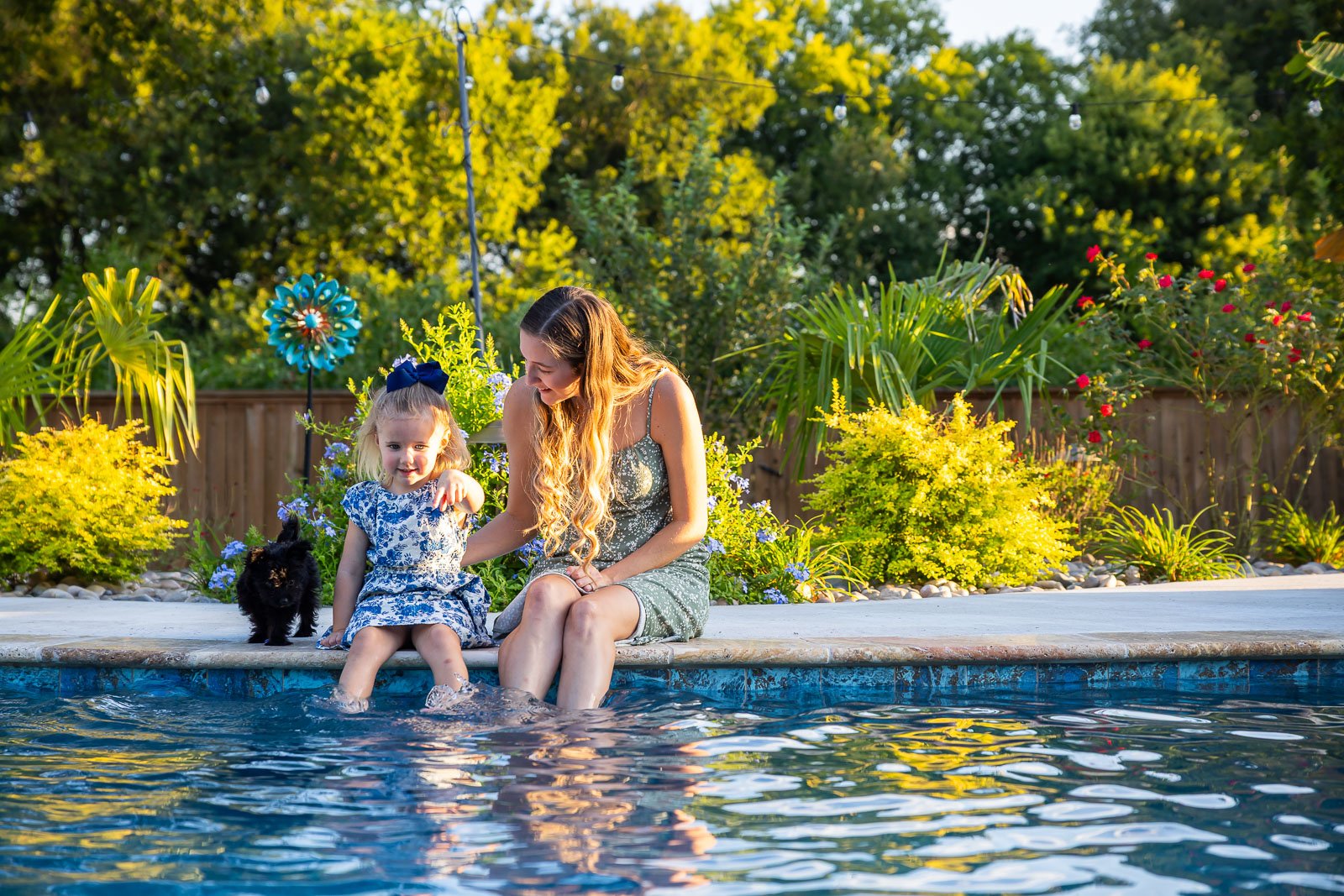
Table of Contents: What You’ll Find Inside This Guide
- Why Privacy Matters More Than You Think in Waco Yards
- Natural Privacy Screens vs. Fences
- What “Strategic Planting” Really Means
- The Best Privacy Plants for Waco, TX
- How to Place Plants for Maximum Coverage
- What to Consider Before You Plant
- Why Professional Design Makes All the Difference
- FAQ: Privacy Landscaping in Central Texas
Why Privacy Landscaping Matters in Waco: More than the Obvious Reasons
Privacy may have been subtly on your mind before you moved into your current home, but yard privacy isn’t always something that’s directly discussed in the home-buying or building process.
In fact, a lot of homeowners don’t even begin to think about yard privacy until something rubs them the wrong way or makes them feel the slightest bit uncomfortable.
When we work with homeowners around Waco, Hewitt, Woodway, and beyond, we often hear comments like:
- “We didn’t really think about it that much, but we noticed that our neighbors can see straight into our yard.”
- “Our back patio is really nice, but we don’t enjoy it as much as we should – it feels a little exposed.”
- “It’s so loud back there, we don’t spend time in our yard anymore! It’s just not as calm or tranquil as we’d like it to be.”
What’s interesting about privacy landscaping – or planting with privacy in mind – is that you can solve multiple issues (like the ones we just mentioned) all at one time.
When people hear the phrase “privacy landscaping,” they immediately think of blocking a view. And, sure, while privacy landscape can be about minimizing how much your neighbors can visually see into your space, the right kind of strategic, privacy landscaping is going to focus on elements like:
- Creating a space that feels enclosed and private (just yours!)
- Reducing street and neighborhood noise
- Adding greenery to otherwise bare, fence-heavy yards
- Making your outdoor space more usable for your ideal everyday life
The fact is, you live in Central Texas. You have the gift of being able to enjoy your outdoor spaces (read: your yard) almost year-round. That means we want to give you the option (and the privacy) to do exactly that.
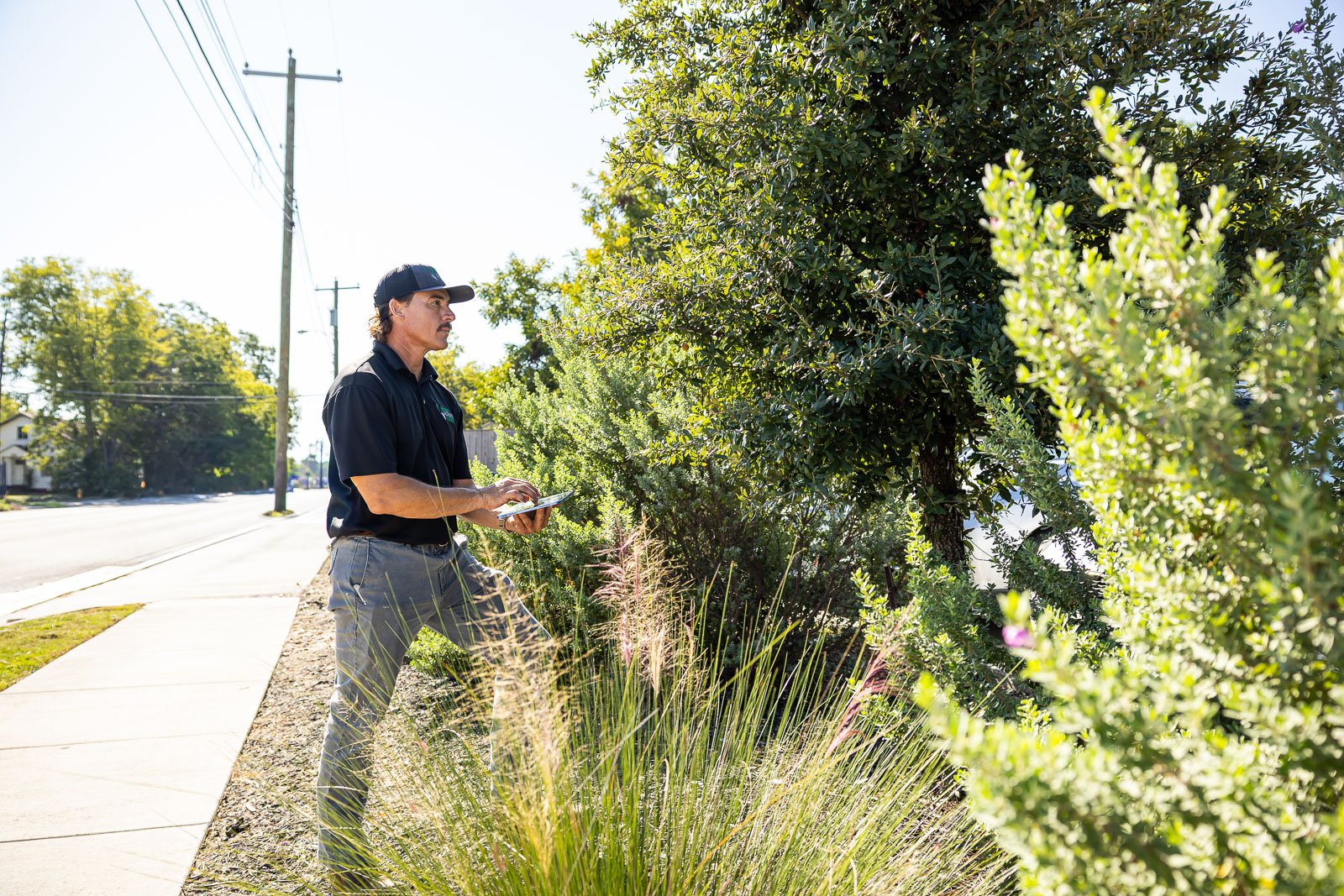
What We Really Mean When We Say “Strategic Planting”
As we mentioned a moment ago, the term "strategic planting" can really throw homeowners off. We don’t want you to get caught up in the “privacy planting” lingo and envision a ton of thick, lined shrubs that grow together and block out the outside world.
Is that effective? Sure. But is it aesthetic and helping you enjoy your space? Not usually.
The “line-’em’-up-and-hope-it-works” approach to privacy planting usually presents a few problems:
- There are big, glaring gaps
- It looks unnatural and unaesthetic
- It can take years to fill in properly and be effective
So when we say strategic planting, we mean planting that solves problems, looks great, and allows you to enjoy your space. But it’s also something that takes a little time. Strategic planting is about thinking way ahead.
Ideally, your strategic planting partner is going to ask you (and encourage you to consider) questions like these:
- What will this plant look like in 5-10 years?
- How wide will it grow?
- How tall will it grow?
- How can we stagger plants to eliminate gaps from multiple angles?
Instead of straight lines for “optimal privacy” but minimal aesthetic, we focus on designing with layers and staggered placement to create overlap and a pattern of fullness from day one.
A well-designed privacy screen can include a variety of plants and materials, like:
- Trees for height
- Large shrubs for mid-level coverage
- Smaller plants and ornamental elements for depth
The entire goal is to come at privacy from an angled, natural approach so that it does its job while looking natural – all for the long haul.
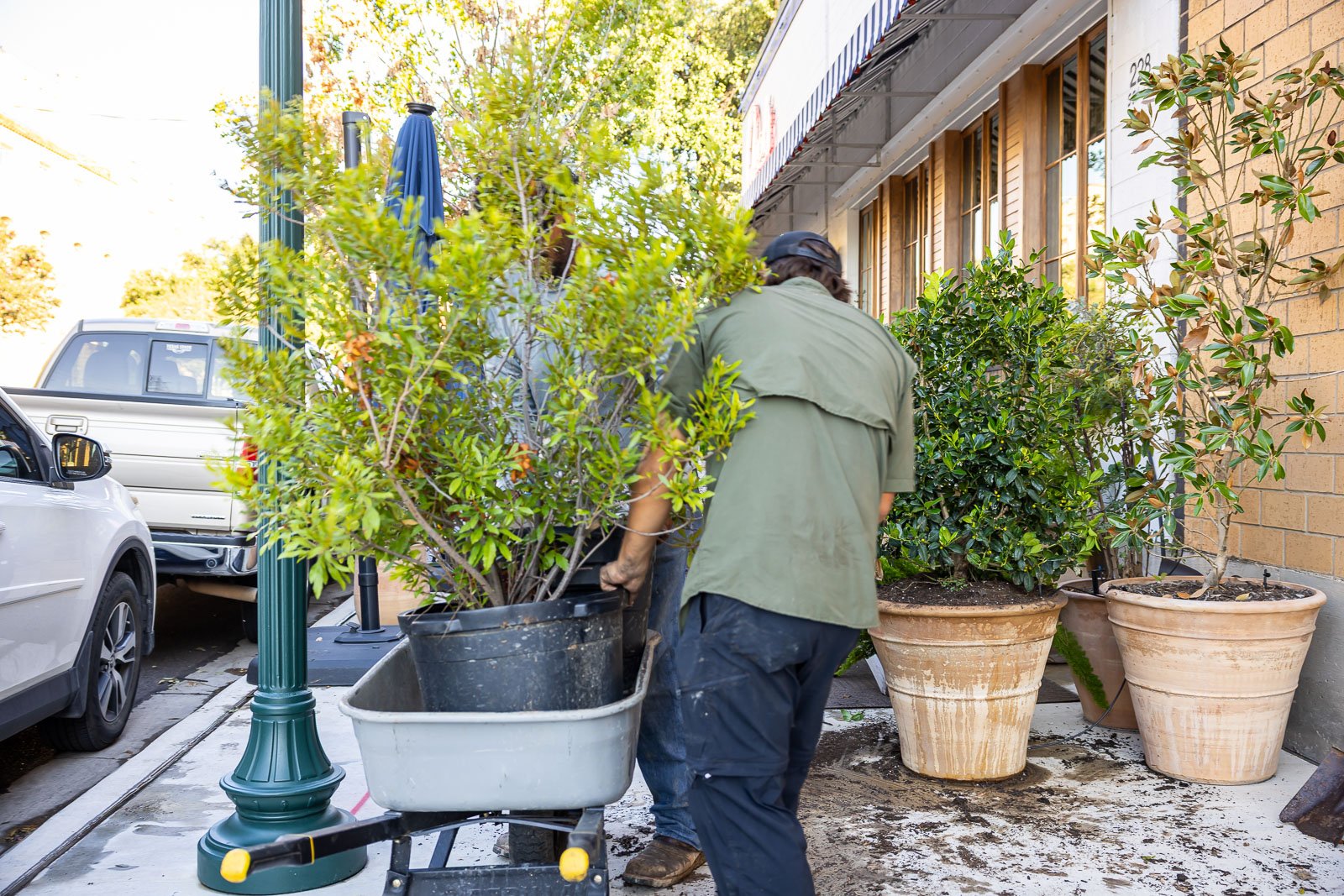
Privacy Options to Consider: Natural Privacy Screens vs. Traditional Fences
In many cases, most homes in Waco (or surrounding areas) already have some kind of fence. But that often doesn’t solve the privacy problem.
A fence can provide you with some semblance of seclusion, but they’re usually not tall enough to block out wandering eyes from neighbors with multi-storey homes, and unfortunately, they don’t provide any help with sound buffering.
Fences – unless you’re working with pros for a custom look – tend to be a bit uniform, flat, and standard. They don’t often feel like a design feature for your space, but a boundary. Which makes sense – that’s what they’re there for.
If you’re looking for something that solves the privacy problem, can buffer out noise, and elevates your yard’s design, a natural privacy screen could be the right fit for you.
They also do a few things that regular old fences can’t do. Specifically, they add:
- Depth
- Dimension
- Movement
- Texture
- Seasonal interest (depending on plant selection)
- Long-term property value
And, unlike a fence, which looks the same on day one as it does ten years later (if you’re maintaining it properly), a well-planned privacy landscape with natural screening can improve over time.
That means, with proper maintenance, you can create privacy that becomes more secluded and yours over the years.
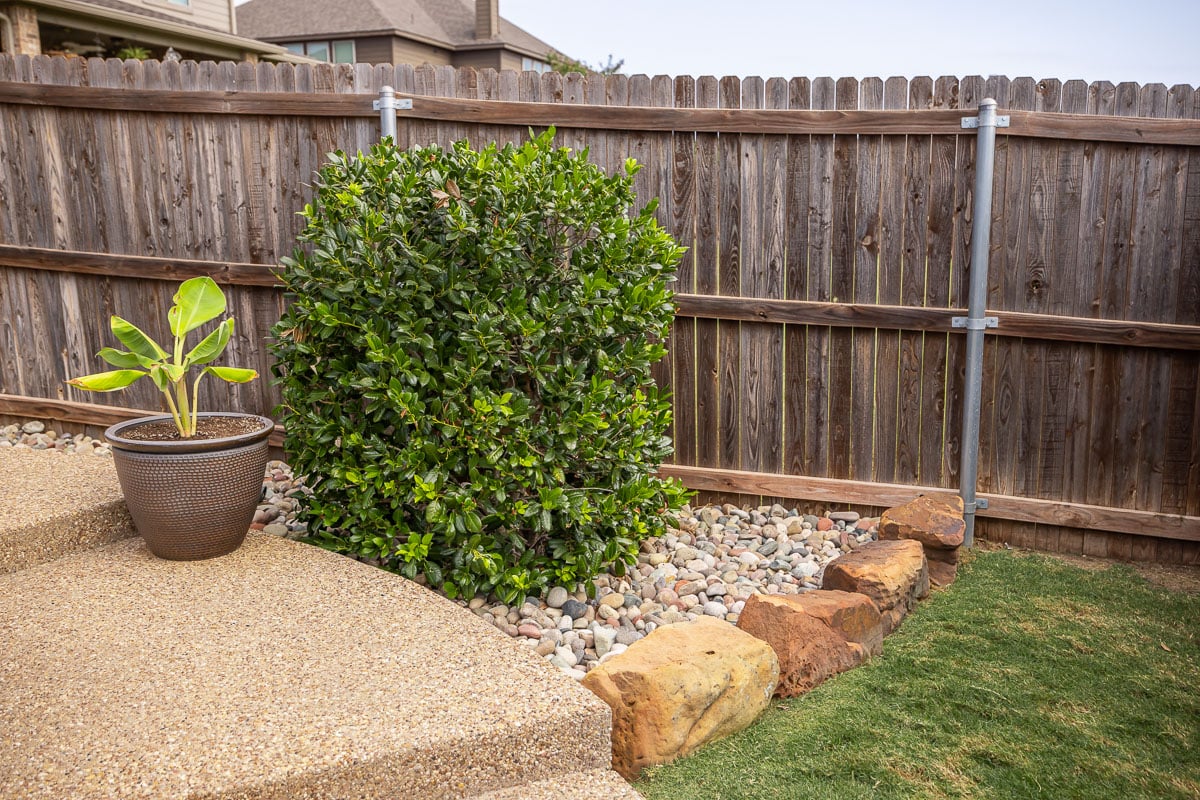

Our Comprehensive List of the Best Privacy Plants for Waco & Central Texas Yards
We call it strategic planting because this type of planting accounts for the privacy factor – but it’s also strategic because it takes a professional’s discretion to select the right privacy plants that will last over time in our particularly challenging Texas climate.
You know the drill here – we have intense summer heat, droughts, occasional freezes, and heavy clay soil that’s tough to break through. That means plant selection can be a doozy and a half if you don’t know what you’re looking for.
After several years of creating the best privacy plants and strategic planting designs for our Waco customers, we’ve curated a list of the best plants for screening – ones that consistently perform well in our Waco weather.
Evergreen Trees and Large Screening Plants
If your goal is year-round coverage, evergreen plants can be a great foundation for your privacy problem.
There are a lot of options out there, but here are a few of our Waco-approved trees and plants to consider:
- Nellie R. Stevens Holly: Dense, fast-growing, and excellent for screening
- Arizona Cypress: Great for taller privacy with a unique color tone
- Eastern Red Cedar: Hardy and dependable in Texas conditions
- Magnolias: Broad leaves and strong visual impact
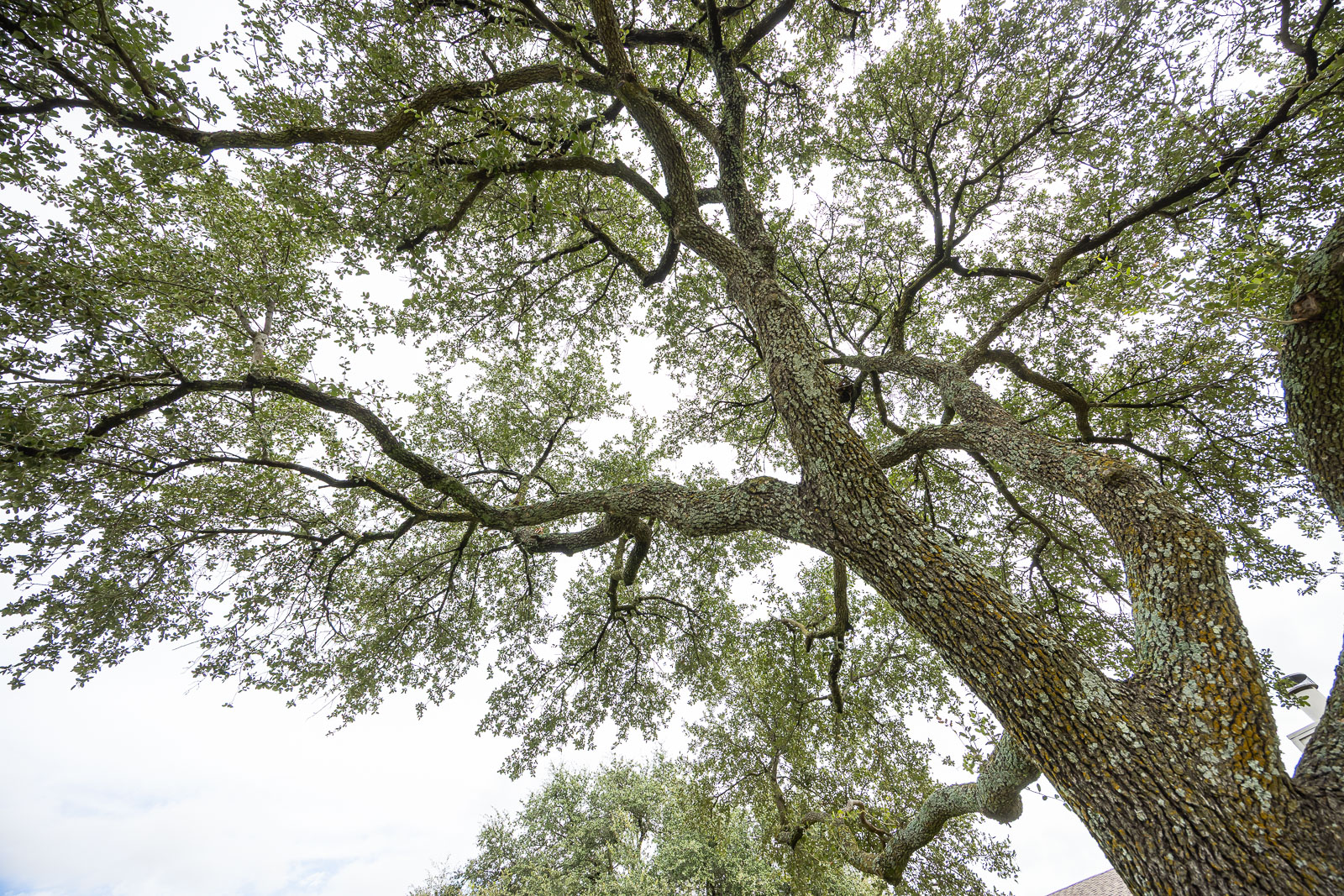
- Live Oak: A long-term investment that adds both shade and privacy
We find that these work well as the foundation of most privacy landscapes because they don’t lose their leaves in the winter. Translation: your privacy won’t disappear simply because the season changed.
A Few Fast-Growing Privacy Tips
Even though strategic planting is about the long-term, there’s nothing wrong with wanting to access the privilege of privacy faster if it’s possible. For quick results, some of our faves from above (like holly or cypress) will grow relatively faster when you compare them to other options.
Of course, it’s important to remember that plant growth isn’t instant! And you’ll need to make sure you’re working with someone (a professional, perhaps!) to space and design those plantings correctly. If you don’t, you could overcrowd them or leave gaps that take even longer to fill in.
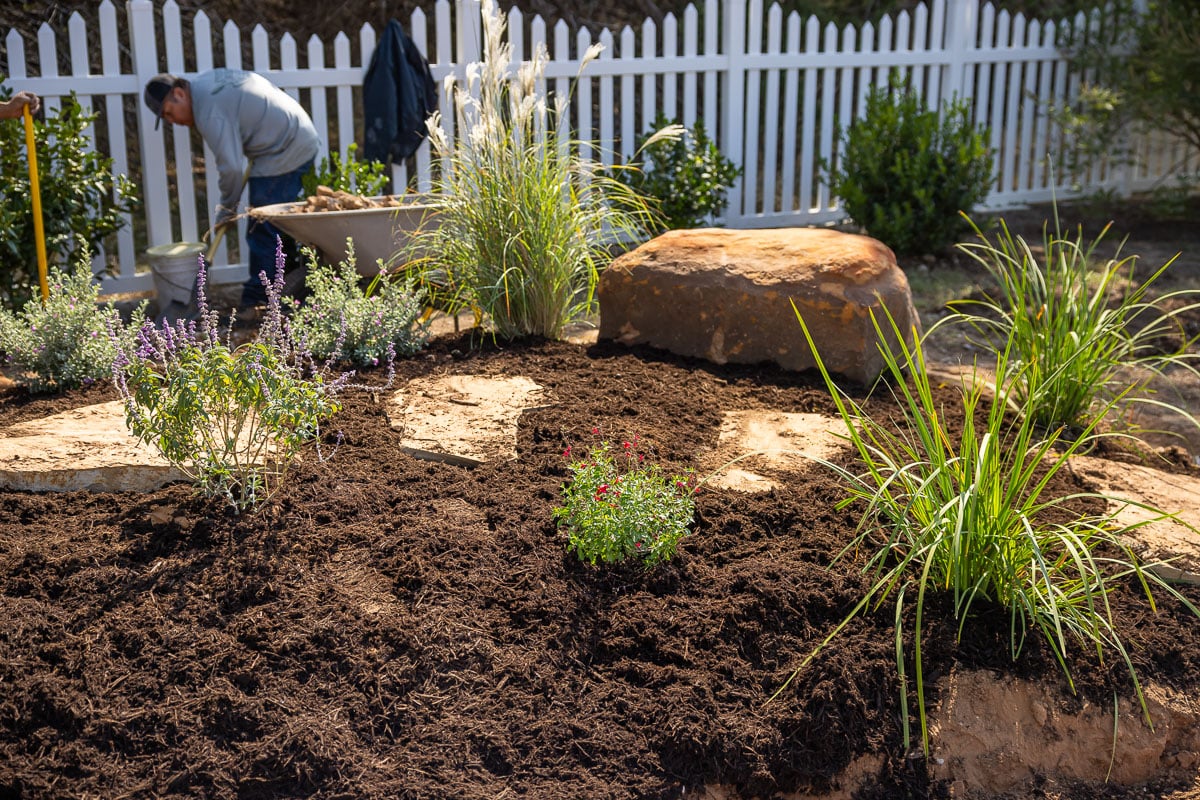
Planning Privacy Plants: How to Place for the Best Coverage
Let’s say you’re planning on tackling this privacy planting thing on your own. While we do advise working with – or consulting with – a professional landscaping team in your area, we also want to make sure we’re sharing helpful tips so you can get cracking on this.
Remember, even the best plants won’t do their jobs if they’re not placed or spaced correctly. It’s important to avoid a straight line and overcrowded placement. Here are a few of our go-to strategies that we think can help improve your privacy planting!
Stagger Plants (Instead of a Line Up)
When you line plants up in a straight row, you might think you’re covering your bases – but as they grow, they’ll create weird gaps and spaces that might never fill.
Instead of straight rows, opt for staggered planting to create an intentional overlap. When you offset your plants, you’ll get full coverage faster and you’ll end up with plants that look a lot more natural.
Think About Height Layers for Total Privacy
You’re not just trying to create a horizontal wall, you’re trying to add height so neighbors can’t peek over. Think about it like building a wall, but with natural resources. You’ll want to avoid a single level (which can look too uniform and weird) and you’ll want to focus on tall elements for vertical coverage, mid-level shrubs to help fill in spaces within the sightline, and lower plants that can soften the edges of your look.
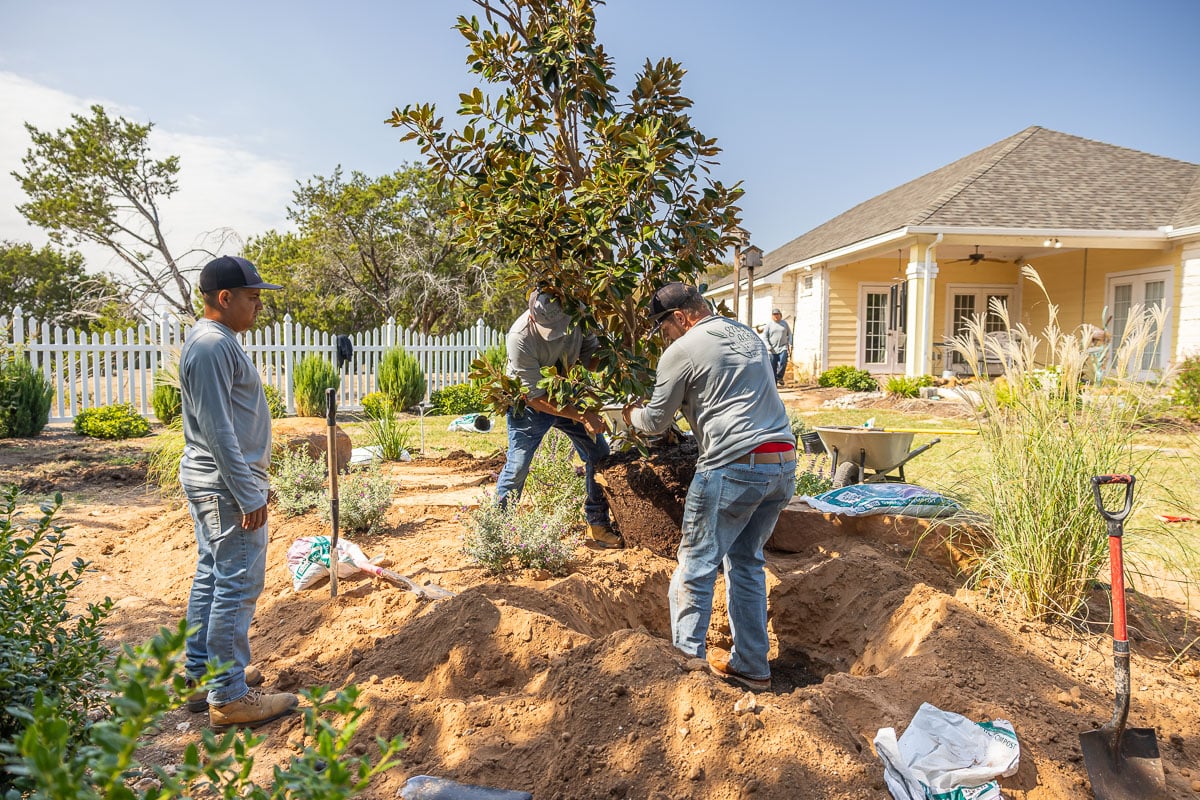
Plan for Roaming Eyes at Every Angle
Too often, people plan their privacy plantings for the straight-ahead view – what they don’t realize is that people can see into your space from all sorts of angles. You’ve got to care about the direct eyeline, sure, but you also need to think about side angles (like windows or patios nearby!)
Strategic plan at placement makes sure that you’ve got coverage from multiple viewpoints, not just the one, dead-on angle.
So You’re Picking Your Privacy Plants? Here’s What to Consider
You’ve got the multi-angle strategy down, you understand layers, and you’ve ticked off the “must-perform-well-in-Waco” box. What’s left before you start privacy planting?
We’ve got a few must-know elements to tackle before you start picking out your perfect plants and strategically placing them. Think these things through before you dig things up and plot for your privacy future.
Sun Exposure
Remember, some plants thrive in full sun (which, hey, it’s Waco – we have plenty of that), while others need partial shade to perform their best. Think about where you’re planting things and what kind of exposure your yard gets.
Choosing the wrong plant for the wrong spot is one of the fastest ways to waste time and money (and throw off your privacy timeline even further).
Full & Mature Sizes
Remember, what you spot at the nursery is not what the plant will become. It’s important to plan, space, and design for what that plant will be, including its:
- Full height
- Full width
- Overall root growth
Otherwise, you’ll either overcrowd your space or have big gaps later on. Don’t plan for the current plant, plan for what that plant should become. (And if you’re not sure, do some research or talk with an expert!)
Ideal Maintenance Level
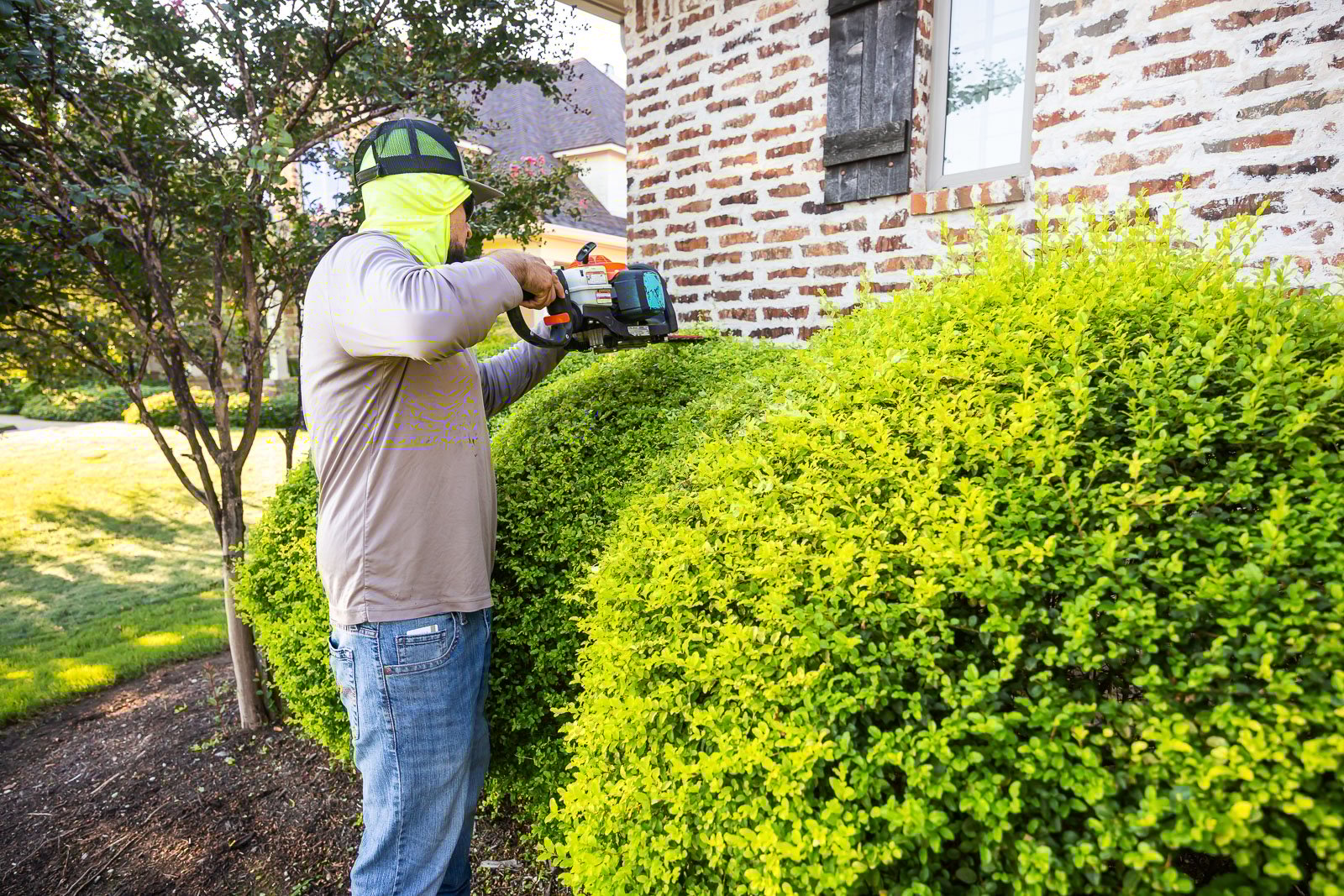
Some homeowners want a polished, manicured look for their privacy plantings, while others want something low-maintenance. Others still want a manicured look that doesn’t require maintenance. Wherever you fall on the spectrum, it’s important that your plant choices reflect that.
The last thing you want is a privacy strategy that requires your full attention and tons of resources if you’re not into maintenance (or spending the money to have it maintained)
Irrigation Needs
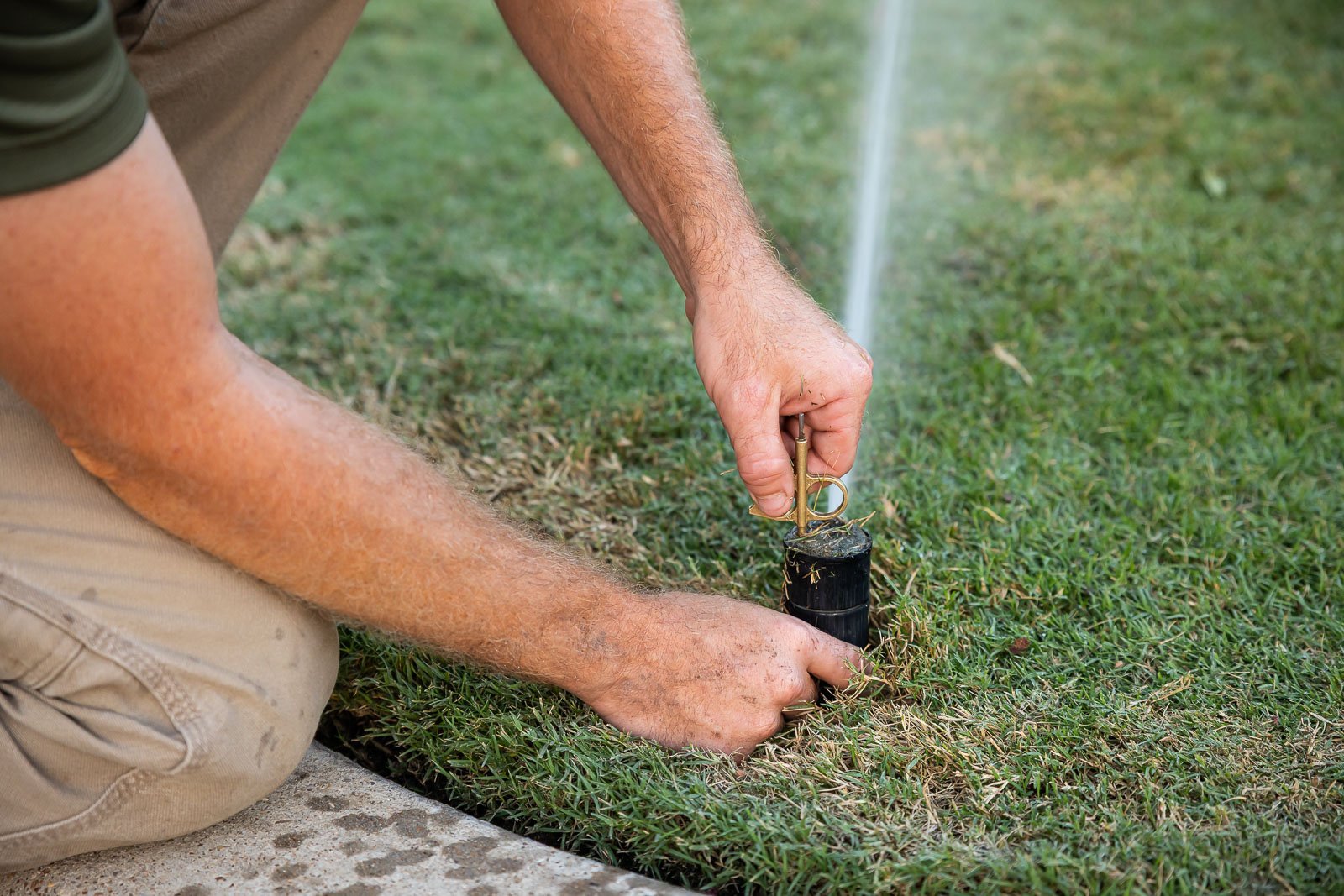
Even if you go with totally drought-tolerant plants, they still need their version of proper watering. This is especially true when they’re first installed in your space. Ask yourself – do you have the irrigation system needed to support these plants?
A well-planned, thoughtful, and maintained irrigation system (whatever that looks like for you) will help your privacy plants establish quickly and stay healthy long-term.
Does Professional Landscape Design Matter for Privacy Planting?
Spoiler: Yes.
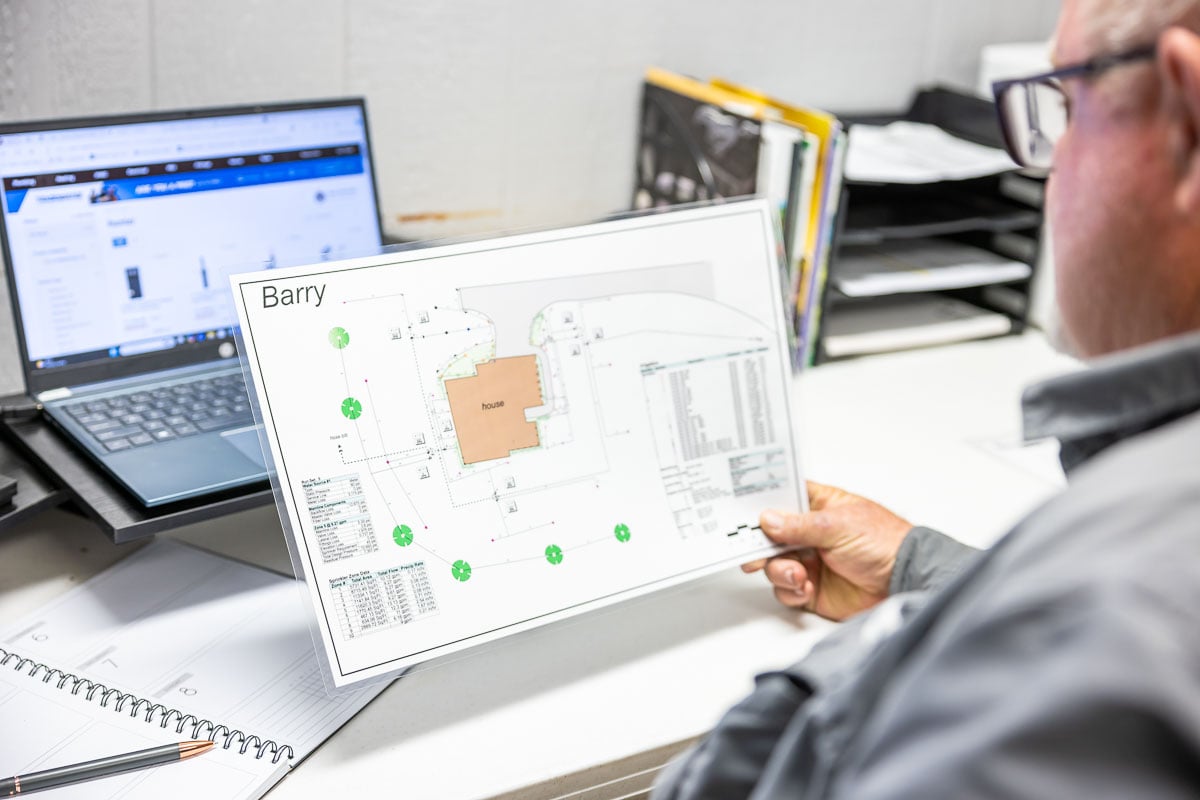
The reality is that privacy landscaping is one of those things that looks pretty simple but actually requires strategic planting, care, and long-term checks and balances.
We’ve seen plenty of yards where homeowners planted a row of shrubs, only to realize years later that:
- There are still gaps
- The plants grew unevenly
- The spacing doesn’t work
- The overall look feels forced
When you work with a team of professional designers, you have the chance to avoid all of those what-if-it-doesn’t-work doubts. That’s why at Green Ackors, we focus on:
- Creating natural-looking privacy screens
- Blending plant heights, textures, and colors
- Planning for long-term growth that gets better with time
- Designing layouts that actually work from every angle
The goal is always to create something that improves your yard for years to come and gets you that private, secluded space you’ve been dreaming of.
The Big Questions: Privacy Landscaping FAQs in Central Texas
How long does it take for privacy plants to grow?
It all completely depends on the plant type and the goals you’ve set, but most privacy screens begin filling in within 1-3 years (if they’ve been properly designed and installed).
Do I need evergreen plants for privacy?
If you want year-round coverage that doesn’t disappear when the seasons change, then yes. Deciduous plants will lose their leaves in winter, which can reduce privacy. Evergreen plants tend to hold onto their leaves (in most cases) so they’ll have that year-round privacy effect you’re looking for.
Can I just plant tall trees along my fence line?
Sure! It’s your yard, you can do whatever you want! But as a professional team of strategic privacy planters, we’ve got to tell you – without intentional spacing and layering, it usually won’t provide full coverage or the best visual result. You might end up with big gaps and weird, unappealing look to your yard.
Do privacy plants require a lot of maintenance?
Not necessarily – but again, it totally depends on what sort of plants you want to work with. With the right plant selection and placement, your total maintenance can be minimal.
Your Waco Backyard – Private, Pretty, & All Yours
Optimal privacy isn’t just about blocking wandering eyes from your yard – it’s also about creating a space where you feel comfortable spending time.
A well-designed privacy landscape adds comfort, beauty, and function to your yard in a way that a fence alone simply can’t. If your own backyard is feeling exposed or on the spot and you wish you could spend more time in it without feeling like everyone is looking at you, we highly recommend strategic planting!
Our team at Green Ackors helps homeowners like you design and install privacy landscaping tailored specifically to your property, our Central Texas soil conditions, and our unique climate. From plant selection to layout and irrigation planning, we help homeowners create outdoor spaces that feel complete, private, and built to last.
If you’re ready to explore landscaping design services in Waco, TX, our team is here to help you build a plan that works for your space – now and for years to come.