

Imagine, for a moment, that it has been a difficult summer in Waco, TX. The heat is intense, and a period of drought is stretching on seemingly endlessly. Thankfully, your landscape continues to thrive thanks to your irrigation system. Until, that is, you wake up one morning to find a problem.
Your lawn has a noticeably dry area right next to a soggy spot. Your sprinkler system is not delivering water evenly, and now you have a mystery on your hands: what went wrong, and why?
Sprinkler system troubleshooting can be a confusing and overwhelming topic for Waco homeowners, but the problem does not have to escalate. The following guide will teach you the basics of inspecting your system, interpreting common symptoms, and determining when the situation needs professional attention.
Table of Contents: What You'll Find Inside This Guide
- How to inspect your sprinkler system zone by zone
- Common sprinkler problems and what they mean
- How to tell whether your sprinkler system has a leak
- How to check sprinkler coverage
- What happens during a professional irrigation inspection
- A practical sprinkler maintenance routine for Greater Waco
- Maintenance fixes that can reduce water waste
- Which sprinkler problems can you handle yourself
- When should you call an irrigation professional? FAQs about irrigation maintenance in Waco
- Get sprinkler system help in Greater Waco
How to Maintain and Troubleshoot Your Irrigation System
With the right guidance and knowledge, you can take the steps necessary to perform an irrigation system inspection. A key component of this process is discerning whether your lawn is struggling because of a sprinkler system problem, watering schedule issue, or other landscape condition.
While you do not need to become a sprinkler maintenance expert, utilizing the following guide to evaluate your system and identify areas of concern is the first step to making informed decisions and moving forward with confidence.
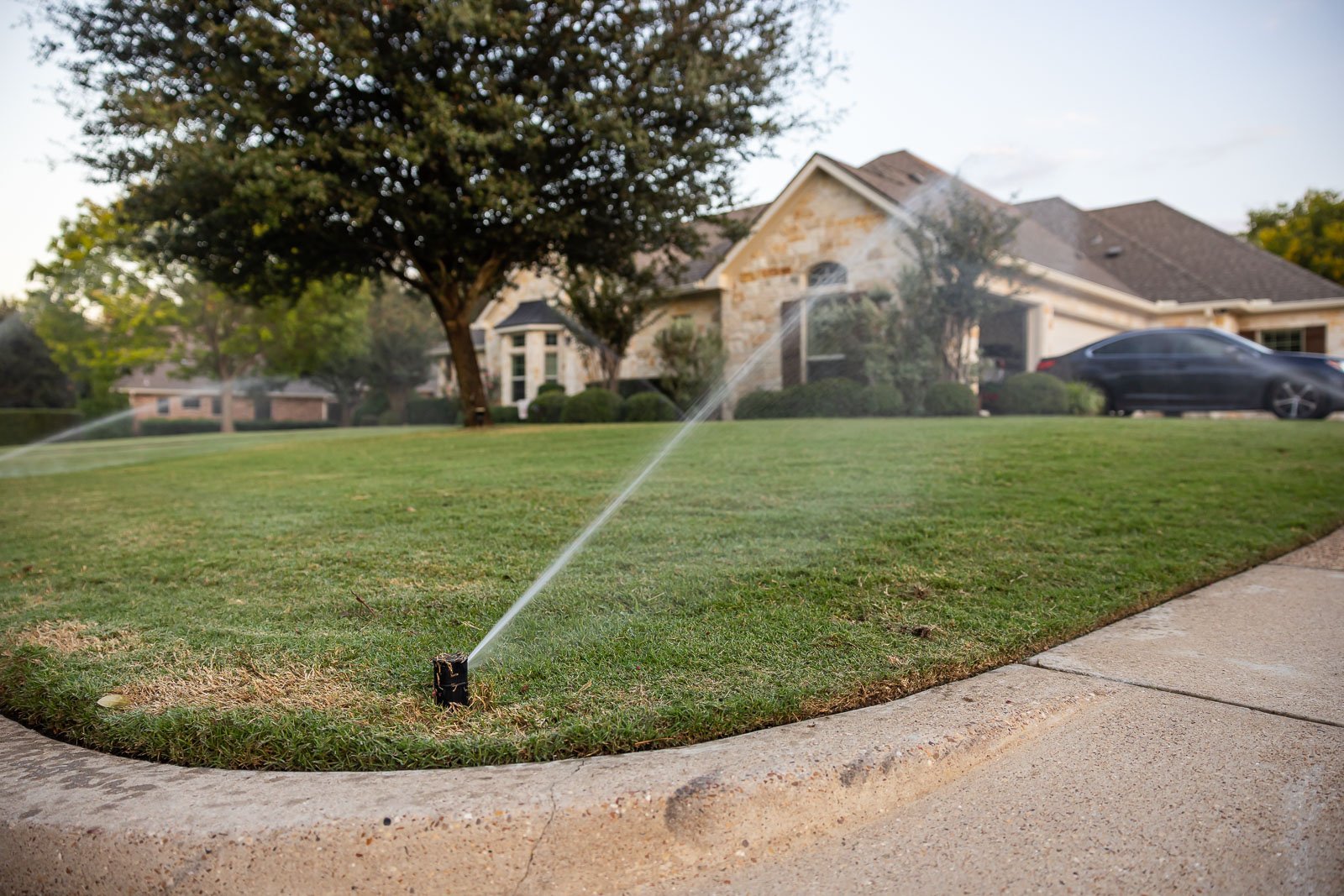
How to Inspect Your Sprinkler System Zone by Zone
Whether you suspect an irrigation problem or not, occasionally inspecting your sprinkler system as part of sprinkler system maintenance is a great idea. Not only does this help you pinpoint areas of concern before they can develop into serious problems, but it also helps you gain familiarity with your property, identify parts of your landscape that might need attention, and improve the efficiency of your irrigation system.
To perform an irrigation system inspection, use the following walkthrough. Doing so will ensure that your inspection is thorough and consistent. Over time, following the same pattern will help you recognize the early signs that something might be amiss.
- Review the controller settings. Even a top-of-the-line sprinkler system is subject to its settings. Make sure to check your controller settings often to ensure that they are correct.
- Run each zone while present. By running each zone, you are able to evaluate your system both as a comprehensive whole and on a more nuanced level. This helps pinpoint areas of concern and inefficiency.
- Identify heads that fail to rise or rotate. While this step will take some time and effort, it is vital. Heads that do not operate as designed are not only a weak spot in your system, but a larger problem waiting to develop.
- Note broken, blocked, or misdirected spray. Identifying sprinklers that are not dispersing water appropriately can save your lawn from uneven watering and long-term problems.
- Watch for pooling, overspray, and runoff. Overwatering can cause just as many problems as underwatering. If you notice areas of standing water or improper drainage, your sprinkler system needs help.
- Compare how areas of the landscape look after watering. Simply observing your property after watering can provide valuable insights and alert you to any adjustments or repairs that may be needed.
- Record the zone number and symptoms. Keeping a record of your observations from your irrigation audit creates a history that you can refer to, detailed notes you can pass on to a professional, and a clearer understanding of the health of your sprinkler system.
Keep in mind that, even if your zone-by-zone inspection goes well, you can still experience irrigation issues due to scheduling problems. Ensuring that your sprinkler schedule is correct for your unique landscape and the time of year is essential to maintaining a healthy lawn.
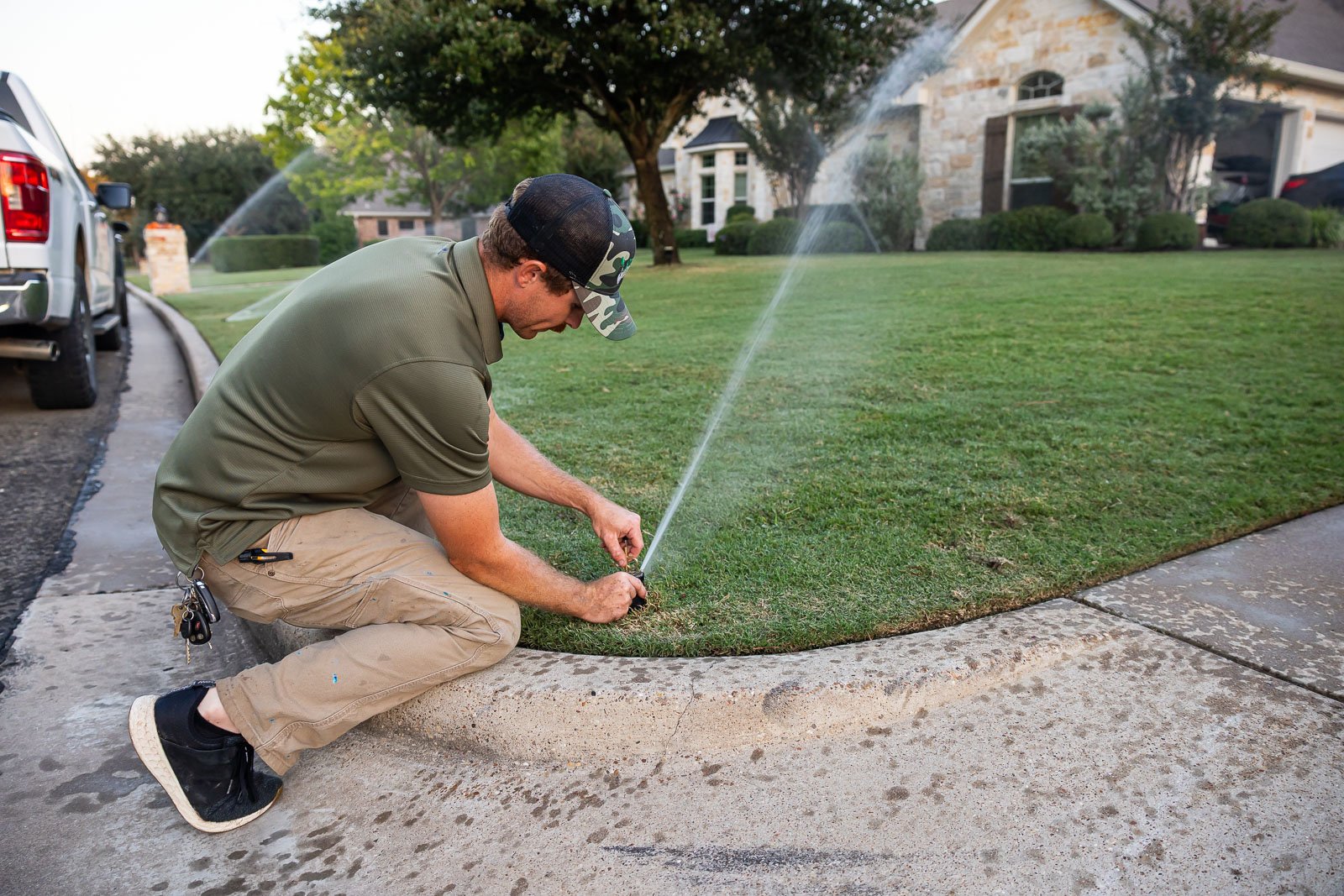
Common Sprinkler Problems and What They Mean
Whether it’s a sprinkler leak or uneven sprinkler coverage, identifying a problem is only the first step to maintenance. Once you have observed an issue, you must diagnose the underlying cause to move forward with sprinkler system troubleshooting.
There are numerous problems that can plague your irrigation system, so the problems mentioned here are not the end-all, be-all. However, they are the most common concerns you will encounter, making a basic familiarity with them a great way to catch potential problems before they worsen.
One zone will not turn on
When you test each zone of your system individually, it will be immediately obvious when a sprinkler zone is not working. The underlying cause of this failure to function can be a bit more mysterious, however.
If your controller settings are correct (always check this first), your sprinkler zone not working could be due to electrical problems, a clogged valve diaphragm, or a damaged valve solenoid. Determining which of these issues is the culprit is the first step toward resolving the problem.
Testing the electrical current, checking for loose or damaged wiring, and inspecting the valve diaphragm are all examples of steps you can take to identify the root cause of the malfunction. Because electrical issues are a common reason for a sprinkler zone not working, many homeowners turn to a professional to diagnose the underlying issue.

One zone will not shut off
A sprinkler system that won’t turn off is a serious problem that can cause significant damage to your landscape. Before you attempt to diagnose what is causing the problem, turn off water to the zone or to the entire system.
Once the problem is contained, you can determine what caused it. On occasion, buttons on the controller are accidentally pushed, which may prevent a sprinkler zone from turning off. More often, however, the underlying problem is a malfunctioning valve.
Checking the valve box for wiring issues, damaged diaphragms, or improper sealing is the best way to locate the issue. If you can’t pinpoint the problem, it is best to work with a professional.
Sprinkler pressure is weak or uneven
A sprinkler system with low pressure is inefficient and in need of repair. You can typically identify low pressure in your sprinkler system by observing heads that do not project water as far as they should. They are often easy to spot because their performance is contrasted by other sprinkler heads in the same zone.
As usual, you should start with the sprinkler controller to ensure that all of your settings are correct. Once you have confirmed that your controller is not the issue, you can begin to examine the sprinklers themselves.
If you notice a leak, this is an immediate concern that should be dealt with promptly. If you are able to eliminate breaks or leaks as the source of the problem, you can move on to more subtle issues, such as clogged filters, blocked lines, and closed valves.
Sometimes, simply cleaning clogged nozzles is enough to resolve the issue. Other times, you may have to replace components, such as damaged heads, mismatched nozzles, or even an underperforming pump.
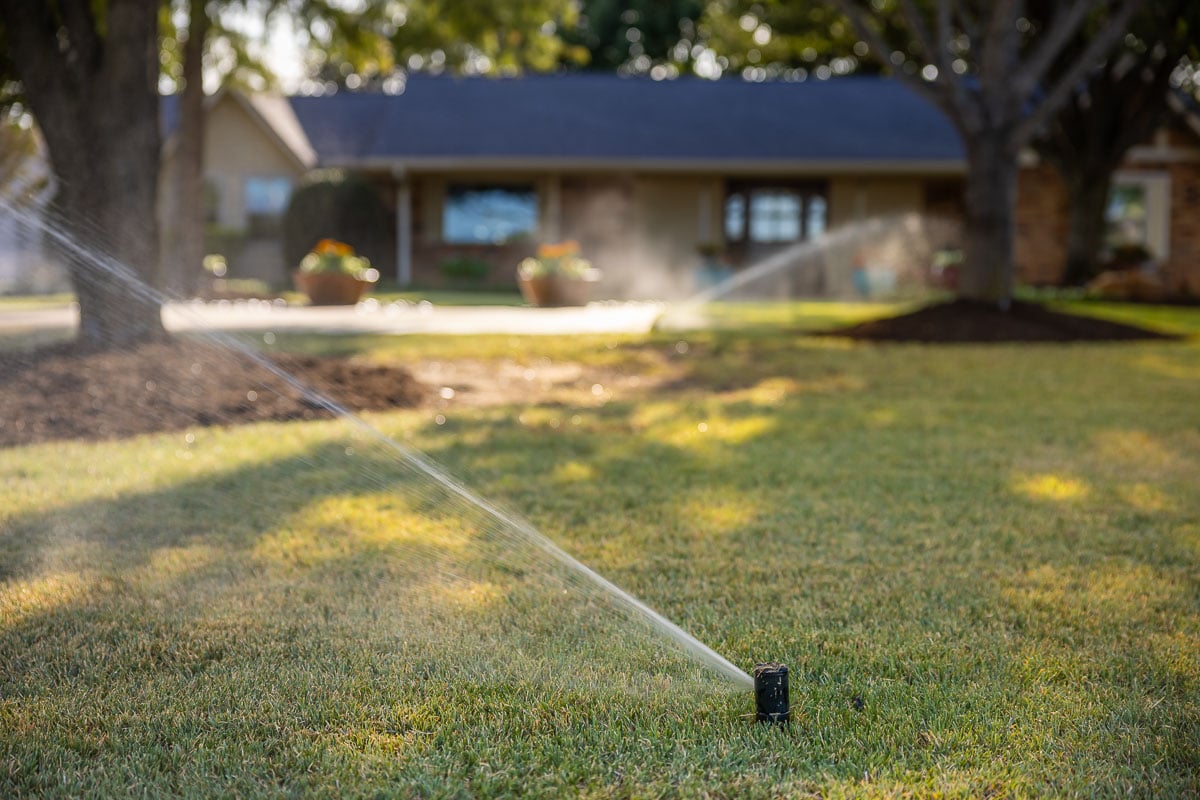
Heads mist, fail to rise, or do not rotate
If you have issues with sprinkler heads not popping up or sprinkler heads not rotating, the reason is often simple: the heads are clogged, the heads are damaged, or your sprinkler system has low pressure.
Identifying and correcting low water pressure is more involved than dealing with sprinkler heads that need cleaning, repair, or replacement. The latter issue is easily resolved by examining the heads in question, cleaning or replacing them as necessary, and resuming regular irrigation system use following the maintenance.
Water pools around a head or valve
If water is pooling around a sprinkler head or valve, it is often a sign of a sprinkler leak. Before you jump to conclusions, however, it is best to eliminate the other possibility: poor drainage.
Water will pool at the lowest point of an area, especially if soil is saturated or drainage is lacking. Sometimes, a sprinkler head is the lowest point in a zone, making it the natural place for excess water to accumulate.
The scenario above is easy enough to rectify by adjusting your irrigation system settings or improving your property’s drainage. If the problem is not related to excess water, you should consider that your sprinkler system is leaking and take steps to locate and correct the troublesome area.
Leaks can be caused by loose connections, damaged pipes, clogged valves, and more. Identifying the source of the leak is essential to fixing the issue, conserving resources, and resuming regular irrigation without blowing your budget. When in doubt, have a professional help you track down the leak.
One part of the lawn remains dry
A lawn that is not receiving adequate water can quickly become a problem in Central Texas. With intense heat and frequent dry spells, the local climate will surely take a toll on your landscape if the issue is not addressed.
Uneven sprinkler coverage is the most common culprit, and it can be caused by a variety of underlying issues. The simple problems are clogged or dirty sprinkler heads, incorrect programming, or poor sprinkler placement. However, other factors can be at play.
If none of the potential problems above are to blame, you will need to do a deep dive into the condition of your system. Test the sprinkler zone, perform a thorough sprinkler system inspection, and work with a professional to diagnose and correct the problem before your landscape is significantly damaged.

The controller runs at the wrong time or too often
The brain of your sprinkler system is the controller. When something is wrong with the controller, the entire system can be thrown off, making regular maintenance and troubleshooting a vital part of an efficient system.
If you notice your controller running at the wrong time or too often, start by checking the settings. Sometimes, the simplest solution is the best one, and an adjustment to the controller is all that’s needed to correct the problem. Check the time settings and confirm that you don’t have multiple programs running in quick succession.
Once you have eliminated improper settings as the source of your issues, you can dive into the other common culprit: power problems. Whether it’s a power surge, temporary loss of electricity, or battery failure, power problems can reset your controller, mess up the time settings, and otherwise cause the electrical gremlins you are noticing.
Water use has increased unexpectedly
Unexpected or inexplicable increases in water use is not just concerning; it is expensive. Receiving a utility bill that seems exponentially higher than normal is shocking and a sure sign that something in your sprinkler system is wrong.
An increase in water usage can be attributed to a number of factors. Your system settings could be wrong, causing excessive watering. A sprinkler leak could also be the problem, whether it’s from a busted sprinkler head or from a damaged pipe. Locating the source, especially if your sprinkler is leaking when off, is a top priority.
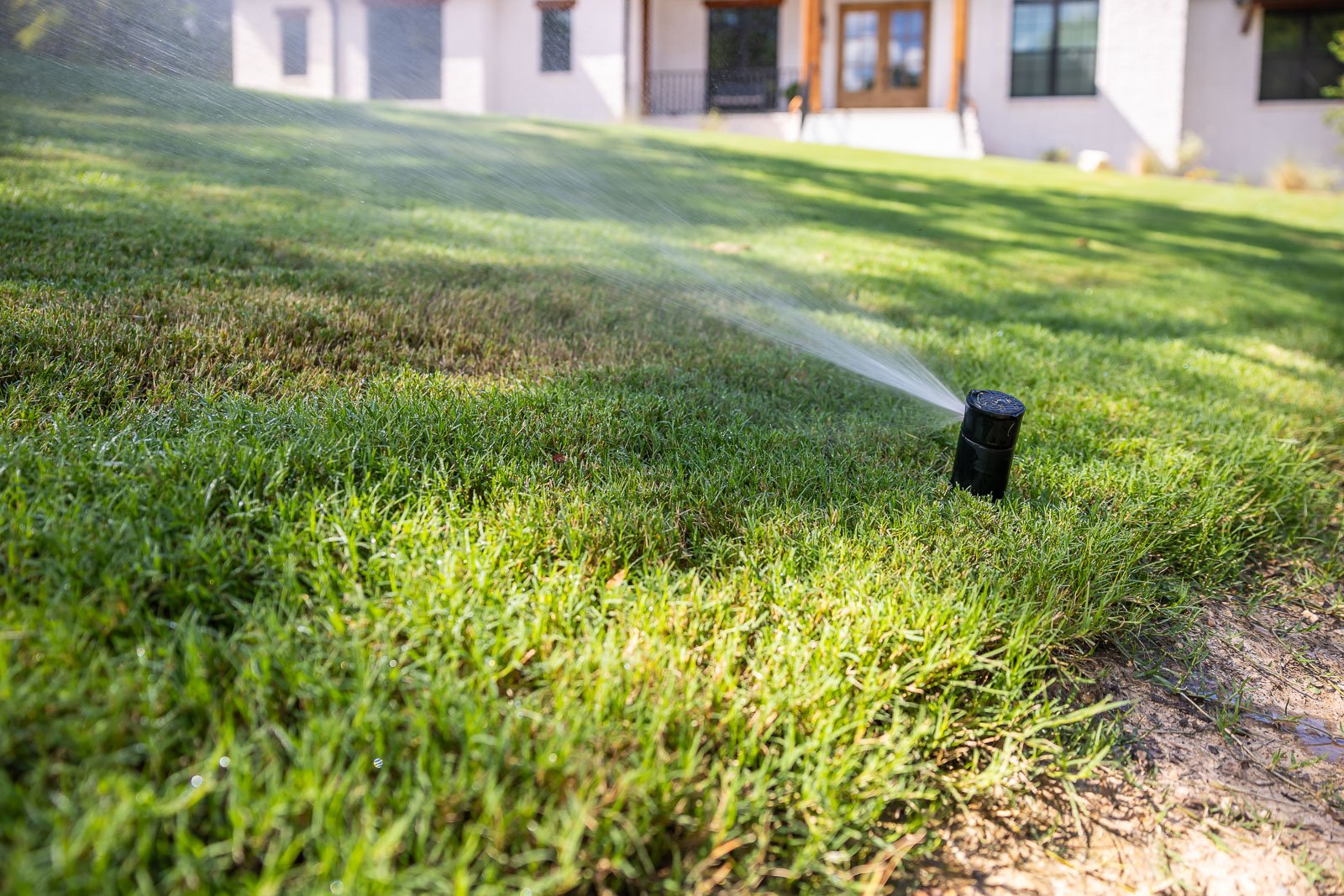
How to Tell Whether Your Sprinkler System Has a Leak
A sprinkler leak is one of the most concerning things that can happen to your system. It affects nearly every aspect of your irrigation system, from the water pressure to the utility bill. Even a small leak can wreak havoc on your landscape and your budget, especially if it goes undetected for a long period of time.
In other words, identifying a leak is essential to maintaining an efficient sprinkler system, and the sooner you find the leak, the better. Thankfully, it is often easy to ascertain if your system is leaking, as the warning signs tend to be unmistakable.
Start with your water meter. If you see a noticeable uptick in your water consumption and utility bill, you may have a sprinkler leak. An unexpected increase in water usage is very commonly a result of an undetected leak.
Other warning signs, both visible and less obvious, include:
- Water that bubbles from the ground
- Sprinkler heads spraying excess water
- Water coming out of the valve box
- Excessive runoff on paved areas
- Weak water pressure
- Pooling water or muddy areas
- Soil that feels soft or spongy
- Sudden increases in your water bill
If you notice water pressure loss, backflow leaks, exorbitant water bills, or sprinkler leaks near your home’s foundation, contact your local landscaping company immediately. A prompt response to these warning signs can save you from a massive amount of frustration and potentially expensive repairs.

How to Check Sprinkler Coverage
Consistent sprinkler coverage ensures that every part of your landscape is receiving adequate water. This is key to preventing brown spots and promoting healthy landscaping across your entire property.
There are a few steps you can take to check your sprinkler coverage and emerge confident in the distribution of your irrigation. Following these steps should set your landscape up for success.
Start by evaluating head-to-head coverage. This confirms that your sprinklers are spaced properly and share just enough overlap. Next, identify any areas that appear to be over- or under-watered. If you notice a discrepancy, you may need to adjust your system.
Now is also the time to note hydro-zoning issues. In other words, are there plants within the same zone that require different amounts or frequencies of watering? If so, you will have to adapt your strategy to them.
Coverage problems can be due to obstructions, malfunctioning sprinklers, or the design of your irrigation system. If a problem is identified, it is important to fix it before the long-term effects of poor coverage can seriously impact your plants.

What Happens During a Professional Irrigation Inspection?
Irrigation audits are an integral part of sprinkler system maintenance. They evaluate the condition and efficiency of your system, identify any areas of concern, proactively perform maintenance and repairs, and highlight upgrades that could benefit your Central Texas property.
An irrigation audit will typically include:
- System activation and zone testing. This is where individual zones are evaluated, sprinkler patterns are observed, small adjustments are made, and issues are pinpointed.
- Coverage and distribution assessment. Overwatering and underwatering concerns are explored and identified, proper spacing is confirmed, and zone-based watering needs are determined during this phase.
- Pressure and flow evaluation. High or low pressure can indicate sprinkler system troubles, including leaks. Assessing pressure and flow within your system and each zone is key to evaluating the performance of your irrigation system.
- Controller and programming review. Ensuring that your sprinkler system controller is in working order is a must. During this step, the technician will review your current programming, recommend and make adjustments, and check to make sure any installed sensors are working properly.
- Valves and components inspection. Leaks and wiring issues often appear around valves, making a visual inspection of these components a vital part of any irrigation audit.
- Backflow device inspection. A visual inspection of backflow devices checks for damage and signs of leaks.
- Efficiency and water conservation recommendations. Based on the findings of the irrigation audit, the sprinkler system expert will share recommendations for how you can save water, upgrade your system, perform necessary repairs, and otherwise improve your system. Some of these suggestions will require a separate quote.
A Practical Sprinkler Maintenance Routine for Greater Waco
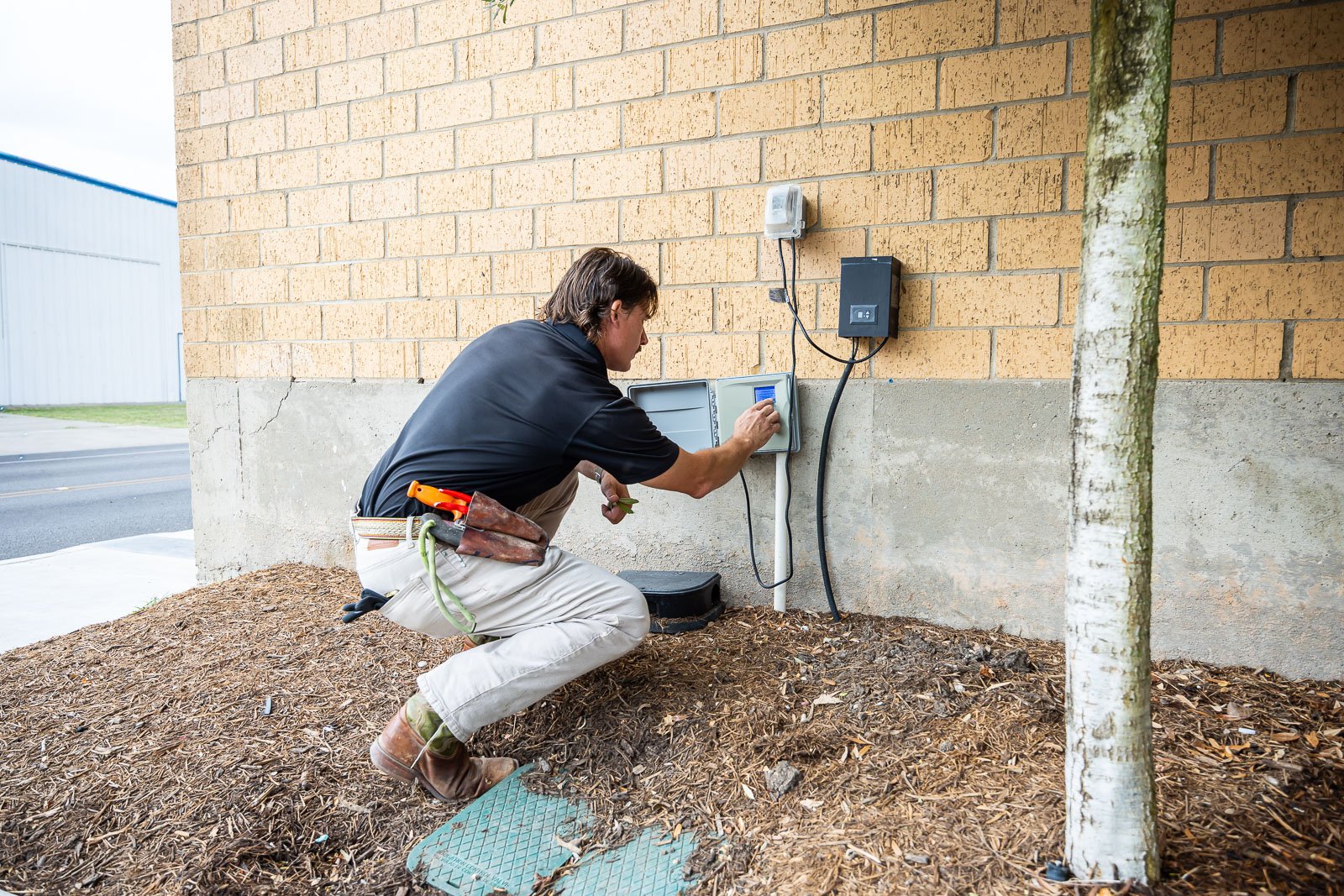
While a professional irrigation audit is the best way to keep your sprinkler system functioning as efficiently as possible, there are routine maintenance tasks you can do on a regular basis. Implementing a more frequent maintenance routine for your sprinkler system can catch concerns early, maximize efficiency as seasons change, and prevent small issues from becoming big problems.
To perform sprinkler system maintenance, simply visually evaluate your system on a monthly basis and make adjustments by season. If you notice anything amiss, make note of it so you can relay it to a professional. You may also perform a more thorough inspection if you notice changes to your landscape.
Not only does routine maintenance help you catch potential problems early and adjust your system to seasonal changes in a timely manner, but it also establishes a familiarity and history with your system. This information can be extremely helpful when troubleshooting in the future.

Maintenance Fixes That Can Reduce Water Waste
Conserving water while producing a flourishing landscape is a win-win situation. In addition to reducing water waste, accomplishing this goal also saves you a significant amount of money over time.
Oftentimes, you do not need major repairs or upgrades to improve the efficiency of your sprinkler system. Ensuring that all sprinkler heads are functioning properly, no overspray is occurring, and the other components of your system are in working order is the simplest way to reduce water usage and save money.
Of course, any sprinkler leaks will cause waste. If not identified and dealt with in a timely manner, even small leaks can put a substantial dent in your budget.
Which Sprinkler Problems Can You Handle Yourself?
As you develop an irrigation maintenance checklist and learn how to identify certain issues, it is important to know what sprinkler system troubleshooting is DIY-friendly. Comfort levels vary between homeowners, and understanding what repairs are within the scope of your ability, resources, and time is a must.
Certain adjustments, such as spray patterns and stuck sprinkler heads, are often simple and easy enough to perform on your own. Other issues, including valve issues and serious leaks, are typically better left to professionals.
When Should You Call an Irrigation Professional?
As a general rule, you should contact an irrigation expert when you experience an issue that is outside of your comfort zone or borders on an emergency. A professional can help diagnose the issue, recommend the best path forward, and employ their expertise and resources to correct the problem.

Problems Requiring Prompt Attention
Emergencies are professional territory. From massive sprinkler leaks to situations where the water won’t turn off, contacting an irrigation expert is the best way to address the problem promptly and properly. A quick response will limit the potential damage.
Recurring Performance Problems
Whether it is repeated instances of your sprinkler system not working or consistent dry patches in your lawn that are starting to take their toll, consulting a professional is the best way to deal with recurring problems. They can both diagnose and treat the underlying cause of the problem, correcting it once and for all.
System Improvement, Redesign, or Replacement Decisions
When changes to your sprinkler system go beyond damaged sprinkler heads or minor controller settings, it is best to work with a professional. These scenarios include significant upgrades to components, a comprehensive redesign of the entire system, or serious residential irrigation repair and inspections in Greater Waco.
Frequently Asked Questions About Irrigation Maintenance in Waco
Can Green Ackors inspect a system another company installed?
Yes. In fact, our lawn care clients get at least two free audits per year, even if their system was installed before they joined the Green Ackors family.
What should I have ready before an irrigation inspection?
The most important point of preparation is knowledge. If you have noticed any areas of concern, whether they’re unhealthy patches in your lawn or suspected sprinkler system leaks, you should share your observations with the irrigation specialist. This is why a regular sprinkler system maintenance routine is important: it allows you to share valuable history and practical information with your irrigation expert.
Does a suspected leak mean I need to replace my sprinkler system?
Sprinkler leaks are evaluated on a case-by-case basis. Many leaks can be fixed on-site, especially those caused by damaged heads or other serviceable components. However, more serious leaks, including those due to broken buried pipes, may require significant work to repair. Sometimes, these situations lead to a full sprinkler system replacement.
Get Sprinkler System Help in Greater Waco
Whether your water bill has skyrocketed, your plants are deteriorating, or you simply want a tune-up, partnering with a local irrigation expert in Waco can work wonders for your landscape. Sprinkler system maintenance, especially when performed regularly, leads to less wasted water, a healthier landscape, fewer recurring problems, and more money in your pocket.
Green Ackors has been servicing the Greater Waco area for 25 years. In that time, we have helped countless homeowners achieve their landscaping goals through clear recommendations, experienced expertise, and an attention to detail that takes the guesswork out of irrigation.
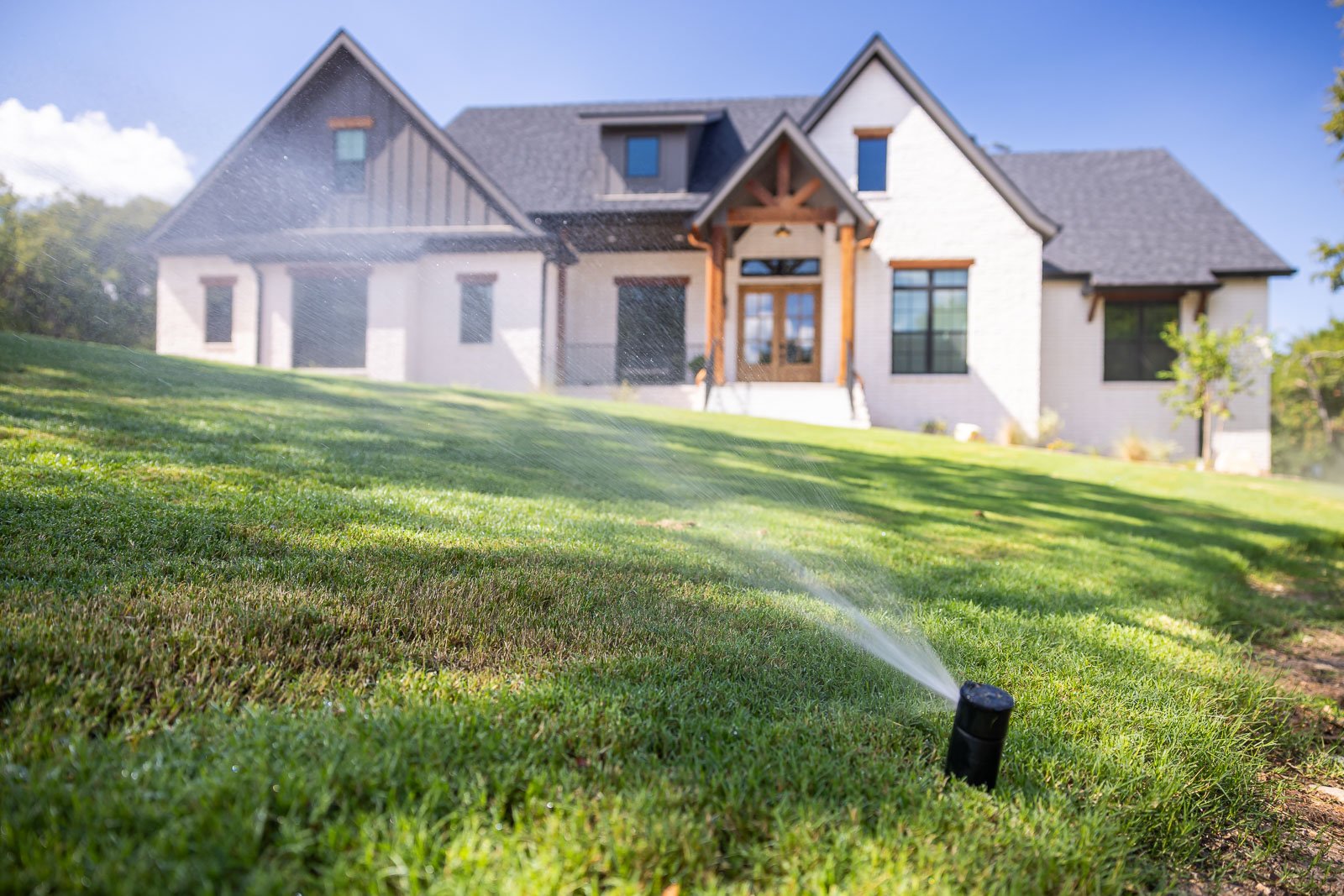
If you’d like to sit back and enjoy your landscape without worrying about your sprinkler system, we encourage you to reach out to us and schedule a consultation. Our team would love to hear from you, complete a property and system walkthrough, and provide you with irrigation solutions that suit your property and your budget!